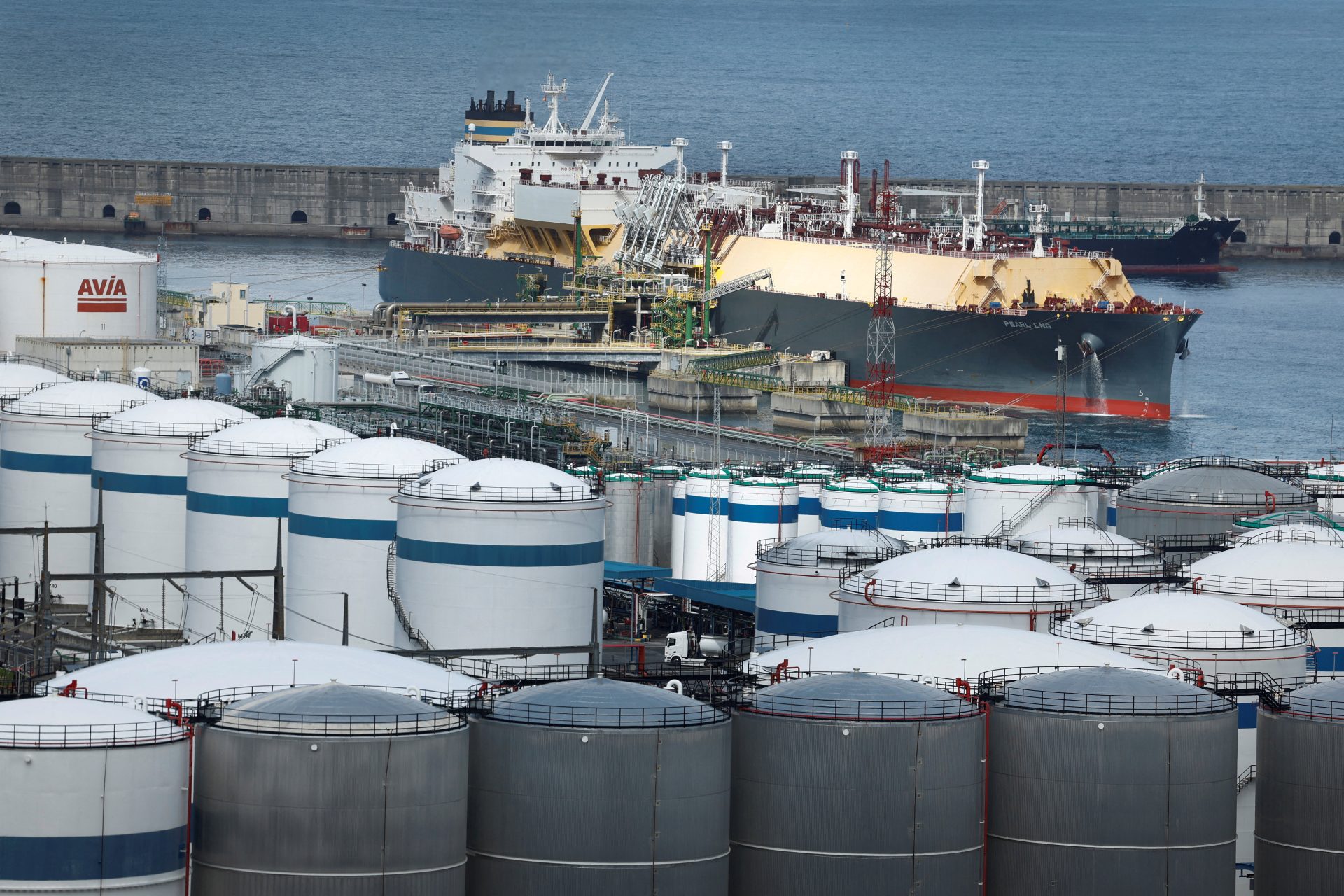
At least two cargo shipments of liquefied petroleum gas (LPG) from U.S. Gulf Coast export terminals to Asia have been canceled, with loading originally scheduled for next month. These cancellations show the growing challenges in global energy logistics. The cancellations come as freight rates on South Asia to North America routes have increased by 58%. This significant surge in shipping costs is a direct consequence of various disruptions impacting maritime trade routes worldwide. These developments collectively impact the global energy market and shipping logistics, forcing a re-evaluation of supply chain strategies.
Geopolitical Disruptions Impacting Trade
The conflict in Iran has resulted in the de facto closure of the Strait of Hormuz, jeopardizing approximately 20% of the global oil supply. This critical chokepoint, essential for a substantial portion of the world's energy trade, is experiencing unprecedented restrictions. This disruption also impacts critical volumes of liquefied petroleum gas (LPG) and liquefied natural gas (LNG) destined for Asian and European markets, noting the interconnectedness of global energy flows. Shipments through the Strait of Hormuz averaged 3.8 million barrels per day in early April. This figure represents a significant decrease from over 20 million barrels per day recorded in February, illustrating the dramatic reduction in throughput. The altered shipping routes and reduced throughput through the vital waterway contribute to increased transit times and freight costs for energy commodities, creating a ripple effect across international markets.
Maritime Freight Rate Surge
The Panama Canal route currently imposes considerable waiting times or prohibitive surcharges for priority passage, contributing to logistical challenges for shippers. This situation forces vessels to seek alternative, longer routes, thereby increasing transit times and fuel consumption, and adding pressure to an already strained global shipping network. The extended voyages around continents, such as the Cape of Good Hope route, significantly increase vessel transit times, further contributing to global maritime capacity saturation and rising freight rates. Alongside maritime disruptions, air freight rates on certain routes have also seen a significant increase, rising by up to 70%, indicating a broad-based inflationary pressure on logistics. The dual pressures from both sea and air logistics sectors are impacting the overall cost and efficiency of global supply chains, affecting the delivery of various commodities, including energy products. These escalating costs are a direct factor in the re-evaluation of shipping economics for U.S. LPG and oil shipments destined for Asian markets, making some routes economically unfeasible.
Shifting Trade Flows and Demand Outlook
Some buyers are reportedly in discussions to terminate other shipments of U.S. LPG and oil. This comes as at least seven liquefied natural gas (LNG) cargoes from the Atlantic basin have been diverted from Europe to Asia since February 28. These diversions indicate a re-routing of energy supplies in response to market conditions and the changing economics of transportation. This strategic shift reflects efforts by energy companies to optimize their supply chains and capitalize on more favorable market opportunities, even if it means longer transit times.
The International Energy Agency estimates that global oil demand will contract by 80,000 barrels per day on average for 2026. This projection is a significant downward revision from the anticipated growth of 730,000 barrels per day forecast before the current geopolitical disruptions. The revised outlook reflects a changing landscape for global energy consumption in the medium term, driven by both supply-side constraints and potential demand destruction.
Analyst Perspective
The Cape of Good Hope route significantly increases vessel transit times, contributing to global maritime capacity saturation and rising freight rates, as vessels spend more time at sea and consume more fuel. Meanwhile, India has signed a strategic agreement with the United Arab Emirates to receive Emirati LPG, further diversifying supply chains and reducing its reliance on potentially disrupted routes. This move by India notes a broader trend among nations to secure energy supplies through diversified sources and shorter, more reliable routes in the face of ongoing global instability.