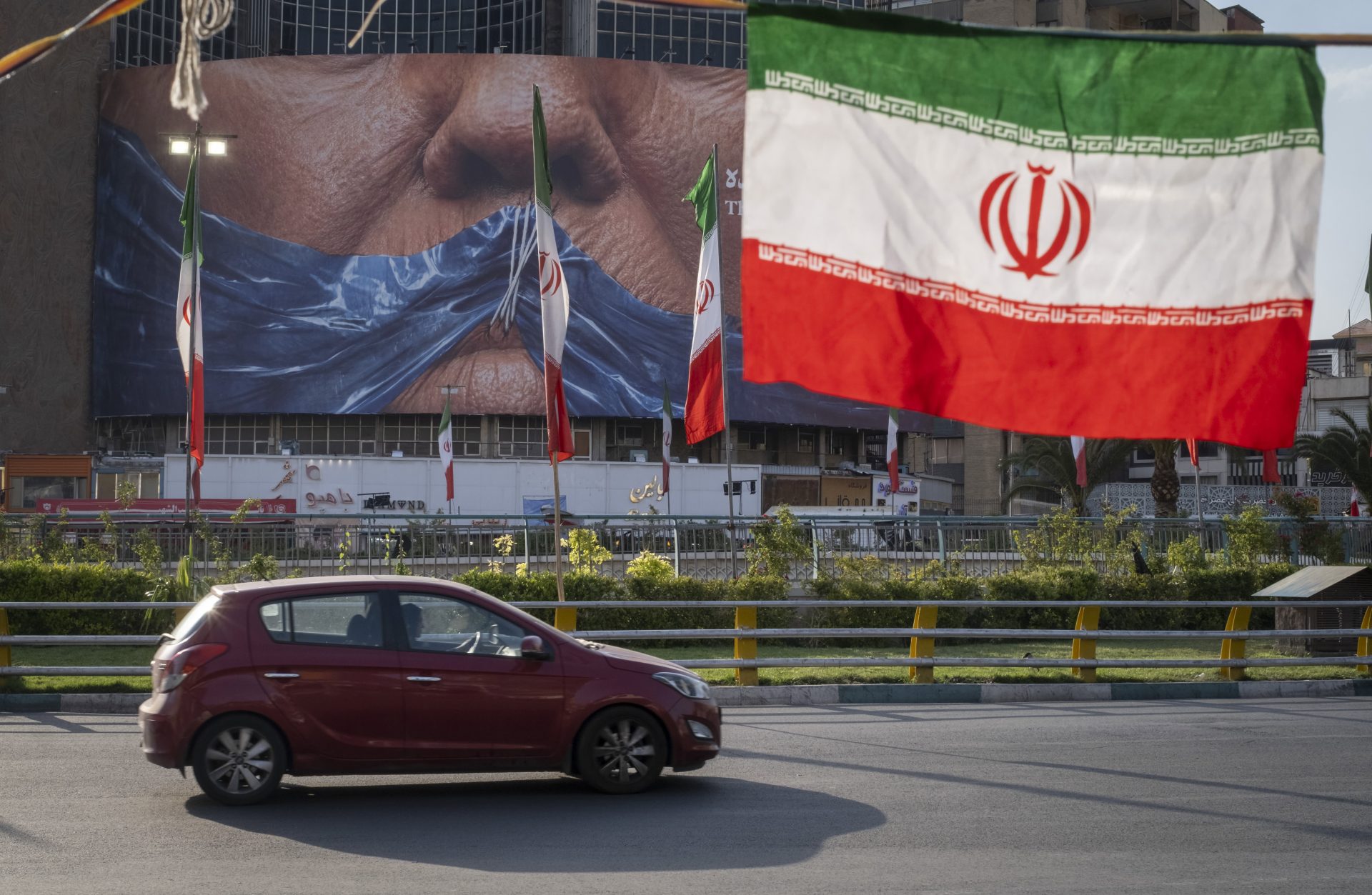
Iranian state television briefly broadcast details on Wednesday of a projected agreement between Washington and Tehran. The announcement of a potential US-Iran deal coincided with a significant drop in the Brent crude oil benchmark. Brent crude fell by nearly 5%, reaching $95 per barrel following the reports. This sudden decline in oil prices shows the market's immediate reaction to geopolitical developments, particularly those involving major energy producers and critical shipping routes. The broadcast by Iranian state television provided a rare glimpse into the sensitive negotiations, sparking rapid shifts in global commodity markets.
Details of Reported Agreement
The draft text of the reported agreement includes a 60-day extension of the ceasefire that commenced on April 8. This proposed extension aims to create a window for further de-escalation and diplomatic progress. During this extended period, the Strait d’Ormuz would be progressively reopened as Iran undertakes efforts to demine its waters. The phased reopening of this vital waterway is a key component of the reported understanding, signaling a potential return to more normalized maritime traffic. This demining effort by Iran is seen as a key step towards ensuring the safety and security of international shipping. The precise timeline and methodology for these demining operations would likely be subject to further negotiation and verification.
Separately, discussions held in Doha primarily focused on the release of $24 billion in frozen Iranian assets located abroad. These assets, held in various international accounts, represent a significant financial resource for Tehran, and their release is a central demand in the ongoing negotiations. The talks in Doha have been a critical avenue for addressing the financial dimensions of a potential agreement, with both sides seeking to find common ground on the mechanics of asset unfreezing. The substantial sum involved notes the economic stakes for Iran in these diplomatic efforts, as the country seeks relief from international sanctions.
Market Volatility and Context
The reported agreement project involved the progressive reopening of the Strait of Hormuz. This strategic waterway would be gradually cleared of mines as Iran undertook demining efforts. The prospect of increased oil supply flows through the Strait, a major transit point for global energy, contributed to the downward pressure on crude prices. The drop in oil prices occurred after days of erratic fluctuations, which were driven by conflicting signals regarding the ongoing negotiations between the United States and Iran. These signals contributed to market uncertainty, with traders reacting to each development as they tried to assess the likelihood and implications of a potential deal. The volatility shows the market's sensitivity to geopolitical developments, particularly those affecting major oil-producing regions and key shipping lanes like the Strait of Hormuz. The market's reaction demonstrates how even preliminary reports or rumors of a breakthrough can trigger immediate price adjustments, reflecting the high stakes involved in Middle Eastern geopolitics and energy security. The fluctuating nature of these signals has kept investors on edge, leading to rapid price swings as new information emerges or is retracted.
Negotiation Hurdles and Signals
The Strait of Hormuz, a critical maritime chokepoint, normally facilitates the passage of one-fifth of the world's oil and gas. Its unimpeded operation is therefore of critical importance to global energy markets and international trade. Discussions surrounding the potential agreement between Washington and Tehran are also expected to focus on the disposition of 440 kg of highly enriched uranium that Tehran has accumulated. This quantity represents a significant point of contention in the ongoing negotiations, raising international concerns about nuclear proliferation. The future of this enriched uranium is a central element of any full deal, requiring strong verification mechanisms. Addressing this issue would be a key step towards rebuilding trust and ensuring regional stability.
Tehran, for its part, is demanding that half of the financial sum under discussion, specifically half of the $24 billion in frozen assets, be disbursed during the initial phase of any agreement. This upfront payment is a key condition for Iran, reflecting its desire for immediate economic benefits from a potential deal. The financial demands and the fate of the enriched uranium highlight complex hurdles in the diplomatic efforts. Navigating these issues is central to establishing a full understanding between the parties. The intricate nature of these demands and counter-demands shows the challenging path ahead for negotiators seeking a lasting resolution. The successful navigation of these complex technical and political issues will ultimately determine the viability and longevity of any agreement reached.