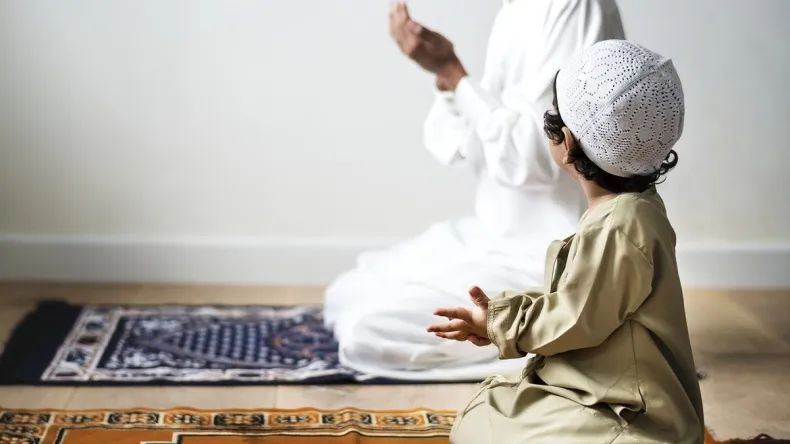
Children primarily learn through observation and imitation, a theory founded by psychologist Albert Bandura, according to Aisha Ould Rabie, a specialist in educational psychology. The article, published on May 10, 2026, explores this concept in the context of religious rituals. Ms. Ould Rabie stated, "When a child sees their parents keen on praying on time, preparing for Ramadan with joy, and showing reverence for Eid al-Fitr and Eid al-Adha, they connect these rituals with values of respect, discipline, and tranquility." This observational learning shapes a child's understanding and adoption of religious practices.
Learning Through Observation
Verbal guidance given to children has limited impact if it is not consistently supported by the behavior of their parents and guardians. According to Aisha Ould Rabie, a specialist in educational psychology, children are adept at detecting contradictions between what is said and what is done. This observation shows the significance of role modeling in the development of a child's character and their understanding of religious rituals. When adults demonstrate practices like prayer or participation in religious festivals, their actions serve as a powerful teaching tool, often more effective than mere instruction. Children internalize the values and meanings attached to these rituals by witnessing their consistent observance and the sincerity with which adults engage in them.
Rituals as Teaching Moments
Religious occasions offer significant opportunities for instilling religious values in children, according to specialists. Events such as Ramadan, Eid al-Fitr, Eid al-Adha, and the Hajj season provide ideal contexts for this character development. During these times, children observe family members engaging in specific devotions and communal activities, which can reinforce moral and spiritual lessons. The consistent participation in these rituals by adults serves as a practical demonstration of faith and commitment. Through these shared experiences, children are introduced to the foundational principles and practices of their religious traditions in a tangible and memorable way. The structured nature of these observances helps to convey the importance of discipline, community, and reverence.
Consistency and Influence
A consistent approach between family and school environments in religious and moral upbringing is considered vital for effective educational outcomes. This alignment ensures that the values and lessons children learn at home are reinforced and complemented by their experiences in academic settings. When both institutions convey similar messages and expectations regarding religious practices and moral conduct, children receive a unified framework for character development. This coherence helps to solidify their understanding and internalization of these principles, preventing potential confusion or conflicting influences. Such a synchronized educational process is seen as fundamental to fostering a child's holistic growth and their adherence to established religious and ethical standards.
Broader Implications for Upbringing
The consistent integration of religious rituals into daily life by parents impacts a child’s understanding of their faith and character development, according to Aisha Ould Rabie. This continuous exposure helps children internalize values such as discipline and respect, mirroring the observed actions of adults like Rachid Fodil and Farida. Such upbringing aims to foster a strong moral compass.