Echorouk published this article on October 12, 2026. Baki Boukhalfa, reporting from Algeria, authored the text.
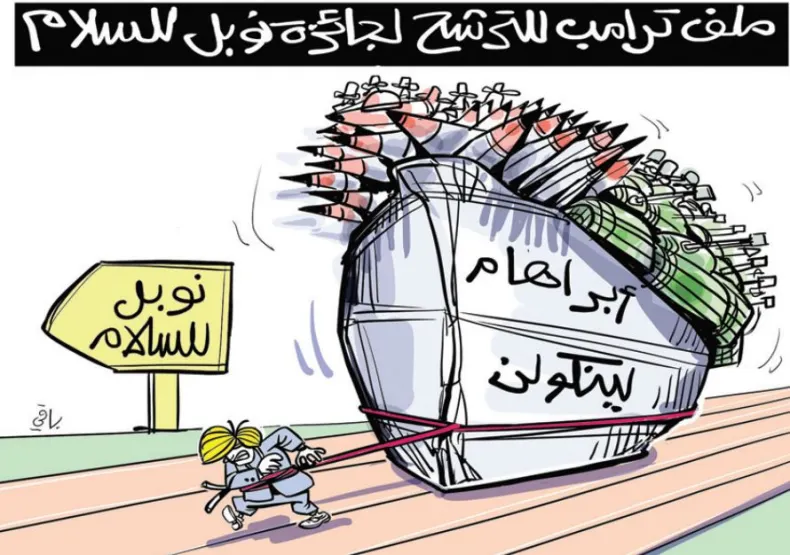
The publication of this piece on October 12, 2026, serves as a moment of reflection regarding the historical trajectory of the Nobel Peace Prize. As an editorial voice emerging from Algeria, the perspective offered by Baki Boukhalfa seeks to examine the institutional weight of the award. The Nobel Peace Prize has long occupied a unique space in global discourse, often presented as the ultimate recognition of humanitarian effort and diplomatic achievement. However, the legacy of the prize is frequently characterized by what many perceive as a profound irony, given the criteria and the political contexts in which recipients are selected.
When Baki Boukhalfa writes from Algeria, the focus is directed toward how international honors are perceived outside of traditional Western centers of power. The Nobel Peace Prize, administered by the Nobel Foundation, is intended to honor those who have done the most or the best work for fraternity between nations, for the abolition or reduction of standing armies, and for the holding and promotion of peace congresses. Yet, the history of the award is marked by choices that have sparked significant debate. The selection process itself, conducted by the Norwegian Nobel Committee, often reflects the geopolitical priorities of the era.
The article published in Echorouk on October 12, 2026, notes that the perception of "peace" is not universal. By examining the history of the award, one finds that the Nobel Peace Prize has been granted to individuals whose actions have, in the eyes of many, contradicted the very spirit of the honor. This tension between the stated goals of the Nobel Foundation and the practical outcomes of the recipients' policies is a central theme in the critique provided by Baki Boukhalfa.
The geographical origin of the reporting matters. In Algeria, the reception of international accolades is filtered through a lens of post-colonial experience and a commitment to sovereignty. The Nobel Peace Prize, while prestigious, is not immune to the scrutiny of those who feel that the global order remains skewed. The reporting from Algeria shows that the definition of peace is frequently contested. If the prize is meant to celebrate the reduction of standing armies and the promotion of diplomacy, it must be evaluated against the realities of global conflicts that continue to persist.
The publication date of October 12, 2026, places this commentary in a contemporary context where the relevance of such institutions is being questioned more than ever. Baki Boukhalfa captures the sentiment that the irony of the Nobel Peace Prize is not merely a historical footnote but an ongoing issue. The prestige of the Nobel Foundation remains high, yet the gap between the ideal of peace and the political reality of the awardees remains wide. By documenting these concerns in Echorouk, the author ensures that the discourse remains grounded in a critical assessment of how power and recognition are distributed on the world stage. The Nobel Peace Prize will continue to be a subject of intense analysis, as long as the definition of peace remains a point of departure for global actors. The work of Baki Boukhalfa in this article serves to remind readers that institutional recognition does not always equate to moral authority, especially when the actions of the recognized are viewed through the lens of those most affected by their policies.