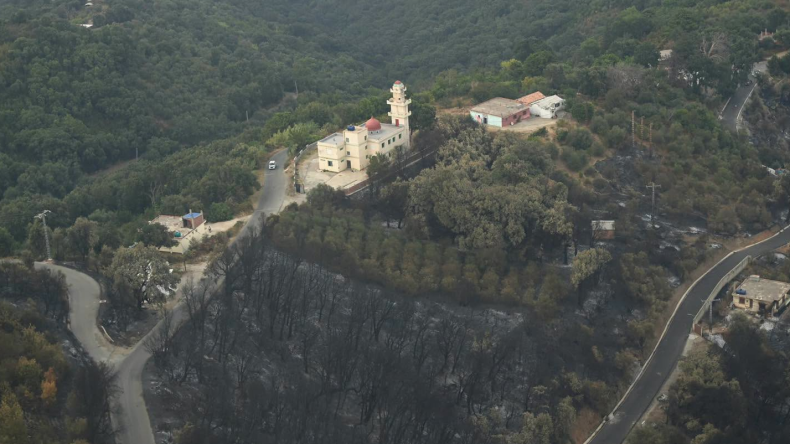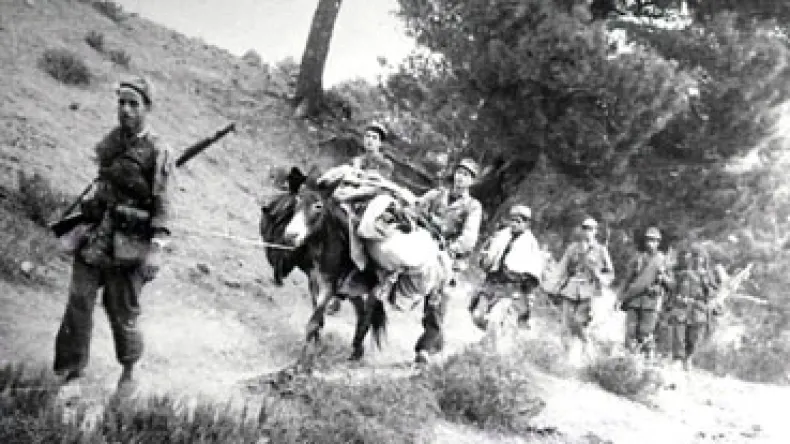
The Battle of Mouqournou (Djebel Mungorno) in the Zoubairia region, near Médéa, resulted in a fierce engagement in late December, marking a significant turning point in the conflict. This particularly intense battle led to the defeat and demoralization of the French army, a considerable blow to their operations in the region. During the fighting, French General Massi experienced heavy human and material losses, showing the effectiveness of the Algerian resistance. The ferocity of the fighting and the subsequent outcome left a lasting impact on both sides, with the Algerian forces demonstrating remarkable resilience against a well-equipped adversary.
Harsh Conditions for Fighters
Algerian fighters endured significant hardship throughout the engagement, facing severe hunger as French forces systematically burned villages and actively prevented key supplies from reaching them. This scorched-earth tactic aimed to cut off the fighters from their support networks and resources. Many of these dedicated fighters also combated the harsh elements barefoot or utilized makeshift coverings, such as goat leather, due to a severe and widespread lack of proper shoes. Their resourcefulness in the face of such deprivation noted their commitment to the cause. On the night of December 30th, a critical period during the battle, fighters experienced extreme cold, with temperatures plummeting. Despite the biting chill, they stoically refrained from lighting fires, a key tactical measure to avoid detection by French aircraft operating in the area, which constantly patrolled the skies. This self-imposed discipline in the face of extreme discomfort was vital for their survival and operational secrecy, demonstrating the immense personal sacrifices made by those on the front lines.
The Battle Unfolds
The Battle of Mouqournou saw the French army sustain significant equipment and personnel losses, a testament to the Algerian fighters' tenacity and strategic acumen. Algerian units from the National Liberation Army, including 'Zoubairia', 'Ammaria', 'Hamdania', and 'Djelloulia', participated in the engagement, displaying coordinated effort and fierce determination. The fighting resulted in an estimated 600 enemy dead, a figure that included numerous officers and members of elite French units, indicating the high intensity and impact of the clashes. The extensive casualties necessitated a prolonged and complex recovery effort for the French forces. The aerial evacuation of the bodies of French soldiers killed in the battle reportedly took four full days to complete, a logistical challenge that further showed the scale of their losses and the difficulty of accessing the battleground. This lengthy recovery process also served as a visible indicator of the severe consequences of the engagement for the French military.
Aftermath and Sacrifice
Following the intense engagement, the French occupation army interred the bodies of Algerian martyrs in a mass grave, according to reports from the period. This action marked a somber conclusion to the immediate aftermath of the battle for many of the fallen Algerian fighters, whose families were often left in agonizing uncertainty. The burial occurred under the control of the French forces, indicating the challenging circumstances faced by the local population in reclaiming their dead and performing traditional rites. The mass grave served as a stark reminder of the immense sacrifices made during the conflict, as the identities of many interred there remained unknown to their families due to the rapid and unceremonious nature of the burials, denying them proper closure.
Separately, local villagers took on the solemn and perilous task of burying the burned bodies of heroes from the 'Zoubairia', 'Hamdania', and 'Djelloulia' battalions. These battalions were among the Algerian units that participated in the Battle of Mouqournou, fighting valiantly against the French forces. The involvement of villagers in these burials notes the deep community's role in honoring their fallen and the profound personal connection to the losses incurred during the battle. The fact that the bodies were described as burned suggests the ferocity of the fighting and potentially the devastating impact of French tactics, including the widespread destruction of villages mentioned in earlier accounts. These burials by the villagers provided a key measure of respect and dignity to the deceased, offering a stark contrast to the actions of the occupation forces. The distinct burial efforts show the different ways casualties were handled and remembered by the opposing sides, reflecting the ongoing struggle for control and recognition even in death.