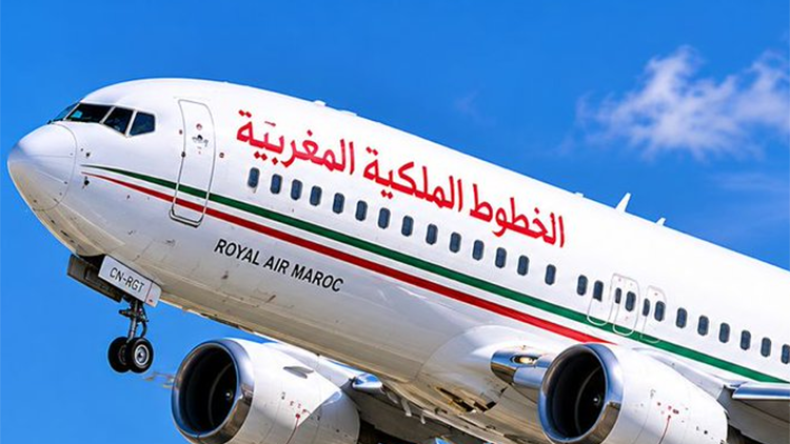
Royal Air Maroc (RAM) is reportedly experiencing a deep crisis, with official justifications for recent route suspensions citing rising kerosene prices and geopolitical tensions. However, critics suggest the airline's struggles reflect deeper management and governance issues within the company, indicating that the crisis is more profound than external factors alone. Poor governance and management failure are identified by these critics as the root cause of the decline, arguing that these internal shortcomings have significantly contributed to the airline's current predicament. The article indicates that these challenges are symptomatic of broader, systemic problems at Royal Air Maroc, suggesting a need for fundamental internal reforms rather than just addressing external pressures.
Strategic Routes Cut Amidst Expansion
Royal Air Maroc has notably suspended a number of routes to both Africa and Europe. These suspended routes are considered strategic to the airline's network across both continents, forming vital links for both business and leisure travelers. Critics argue that market data indicates demand for these African destinations remains high, which directly contradicts the official explanation of a demand slowdown for the cancellations. This discrepancy raises questions about the true rationale behind the airline's operational decisions. Meanwhile, competitors, including various low-cost carriers, are reportedly expanding their operations within the Moroccan aviation market, capitalizing on the opportunities presented by RAM's retrenchment. Critics assert that Royal Air Maroc has opted to reduce flights and abandon these strategic routes instead of implementing innovative solutions to address its challenges, potentially ceding valuable market share to rivals. This approach is seen by some as a reactive measure that fails to address the underlying issues affecting the airline's competitiveness and operational efficiency.
Management and Fleet Deficiencies
Royal Air Maroc faces substantial criticism for an alleged lack of proactive crisis management and insufficient financial hedging mechanisms, according to observers. These deficiencies are noted as key factors contributing to the airline's vulnerability to market fluctuations and operational disruptions. The company is also accused of failing to renew its fleet and increase its capacity, which further exacerbates its ability to meet existing demand and compete effectively. These operational shortcomings reportedly contribute to broader issues within the airline, impacting its reliability and service quality. The perceived failure to invest in modern aircraft and expand its operational capabilities is seen as a significant strategic misstep, hindering RAM's growth potential and its ability to maintain a competitive edge in an increasingly dynamic aviation sector.
Passenger feedback consistently notes several persistent problems with Royal Air Maroc's service. Reports indicate chronic delays, which disrupt travel plans and erode passenger trust. Frequent instances of lost luggage further compound the frustration of travelers, reflecting systemic issues in baggage handling and logistics. Customers have voiced concerns regarding generally poor service quality, citing issues ranging from cabin crew responsiveness to onboard amenities. This perceived decline in service standards is often contrasted with the high ticket prices, which passengers claim are disproportionate to the service received. The combination of these service failures and pricing concerns has significantly impacted customer satisfaction and loyalty, contributing to the airline's deteriorating reputation.
Impact on Passengers and Prestige
Royal Air Maroc (RAM) has reportedly lost its international prestige when compared to regional and international competitors. This decline in standing is attributed to a combination of operational issues, service quality concerns, and the strategic decisions that have led to route reductions. The airline, once a symbol of national pride and a key player in regional aviation, now struggles to maintain its reputation against more agile and customer-focused carriers. The reduced flights to European cities are also causing additional hardship for the Moroccan diaspora, particularly during holiday seasons. These cancellations limit direct travel options, increase travel times, and often lead to higher costs for Moroccan expatriates seeking to connect with their homeland. This situation not only affects individual travelers but also has broader implications for cultural and economic ties, showing the significant impact of RAM's operational changes on a vital segment of its passenger base.
Calls for Strategic Overhaul
Critics are calling for a full review of Royal Air Maroc's management and strategic choices. These calls come amidst mounting concerns over the airline's operational performance, service quality, and recent route suspensions. Observers suggest that a thorough re-evaluation is necessary to address the underlying issues contributing to the company's current difficulties. The demand for a strategic overhaul points to a belief that the airline's challenges extend beyond external factors like fuel prices and geopolitical tensions, necessitating internal reforms. This perspective emphasizes the need for Royal Air Maroc to reassess its operational model, financial strategies, and fleet management to restore its standing and address passenger concerns effectively. The proposed review aims to identify and implement long-term solutions to ensure the airline's future viability and competitiveness within the Moroccan aviation market. Such an overhaul is deemed essential not only to improve the passenger experience but also to safeguard the airline's strategic importance and economic contribution to the region. Without a fundamental shift in its approach, critics warn that RAM risks further erosion of its market position and reputation.