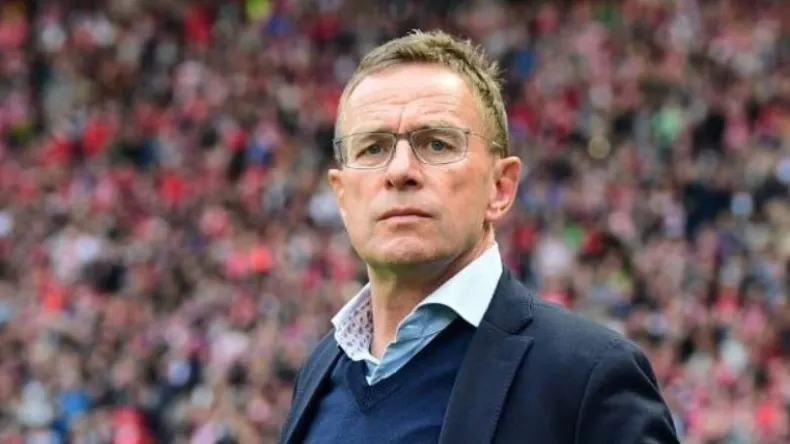
Ralf Rangnick, head coach of the Austrian national team, faces a significant career decision less than two weeks before the 2026 World Cup commences. This key moment finds Rangnick at a crossroads, with his immediate professional future hanging in the balance as two distinct opportunities vie for his attention. Rangnick's current contract with the Austrian national team is set to expire in mid-July, following the conclusion of the World Cup tournament. Before his contract ends, Coach Rangnick will lead his squad against Algeria in America on June 28, a match forming part of the third and final round of the World Cup group stage. This upcoming fixture is one of the last under his current agreement, showing the urgency of his impending decision.
AC Milan's Proposal
The management of Italian club AC Milan scheduled a meeting with Ralf Rangnick in Vienna last Tuesday. During this meeting, AC Milan formally offered Rangnick the position of technical director, a role designed to commence after the World Cup concludes. This offer represents a significant shift from a coaching role to a more strategic, behind-the-scenes leadership position within a prominent European club. Rangnick reportedly responded positively to AC Milan's proposal, according to reports from the Italian newspaper 'La Gazzetta dello Sport'. However, Rangnick conditioned his acceptance on having a significant say in appointing the new coach following Massimiliano Allegri's recent dismissal, and on being able to hire his own staff. These conditions highlight Rangnick's desire for substantial influence and control over the club's sporting direction, a hallmark of his previous roles. AC Milan's management is currently studying Rangnick's conditions and is expected to provide a response at a later date, indicating ongoing negotiations and careful consideration of his demands. The club's deliberation shows the importance of this potential appointment and the impact Rangnick's vision could have.
Austrian Federation's Offer
Simultaneously, the Austrian Football Federation has presented Ralf Rangnick with an offer to extend his current contract as head coach. The federation's proposal seeks to keep Rangnick at the helm of the national team until the summer of 2028, a period that would encompass the next World Cup cycle and potentially the 2028 European Championship. Currently, the Austrian Football Federation is awaiting Rangnick's decision on this potential extension, eager to secure his continued leadership. The offer places Rangnick at a key moment in his career, as he weighs the prospect of continuing his role with the national squad against the recent proposal from Italian club AC Milan. His choice will determine his immediate future in football management following the conclusion of the 2026 World Cup, where his existing contract with the federation is set to expire in mid-July. The federation's proactive move to extend his contract demonstrates their belief in his capabilities and their desire for stability within the national team setup.
Rangnick's Tenure and Future
Ralf Rangnick, aged 67, has served as the head coach for the Austrian national team since April 2021. His tenure has seen the team navigate several international campaigns, leading to their current participation in the 2026 World Cup. Under his guidance, the team has shown consistent development, making the federation's desire for his continued presence understandable. The Austrian Football Federation's offer to extend his contract until the summer of 2028 indicates their desire for continuity in the national team's leadership, aiming to build upon the foundations he has laid. This proposal comes as Rangnick's existing contract is set to conclude in mid-July, immediately following the current World Cup tournament, making his decision imminent. His choice will directly influence the strategic direction and stability of the Austrian squad for the next four years, impacting player development and future international tournament qualifications. Conversely, the AC Milan offer presents a different career path, involving a technical director role with significant influence over coaching appointments and staff. This role would transition him from the day-to-day coaching responsibilities to a broader strategic oversight, shaping the club's long-term vision. Rangnick's choice is therefore poised to define his immediate future, either continuing his role on the international stage or transitioning to a key leadership position within a major European club. The contrasting nature of these proposals shows the significant career crossroads Rangnick currently faces, with both options offering substantial professional opportunities.