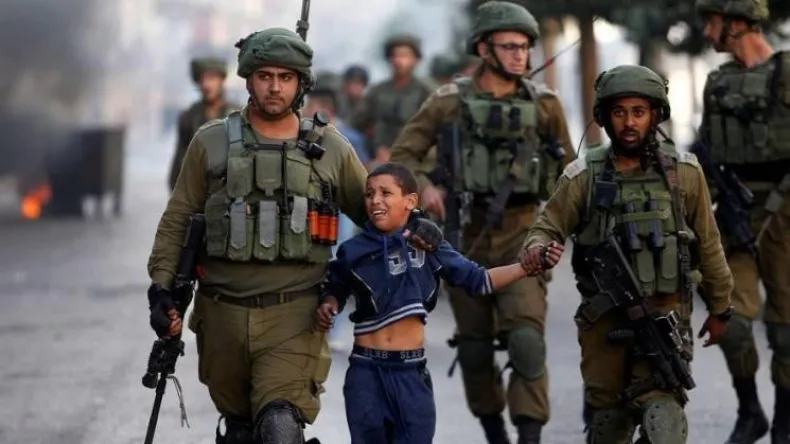
Three hundred and sixty Palestinian children and 84 women are observing Eid al-Adha while held in Israeli prisons. Reports indicate that the occupation is systematically targeting prisoners with practices described as torture, repression, and abuse. These brutal suppression campaigns have escalated at an unprecedented pace since the start of what has been termed the 'genocide', raising significant concerns among human rights advocates and international observers. The systematic approach to targeting prisoners, as reported, reflects a deeply troubling pattern of conduct within the detention facilities.
Detainee Numbers and Demographics
The 360 Palestinian children and 84 women are part of a larger group of 9,400 other Palestinian and Arab prisoners and detainees currently held by Israeli authorities. This substantial total shows the widespread nature of detentions affecting these communities. Specifically, the number of child prisoners in Israeli prisons is approximately 360. This figure includes three young girls, noting the vulnerability of those incarcerated. The total number of female prisoners in Israeli facilities stands at 84. Among these female detainees, dozens are mothers who were reportedly taken from their children and families before their detention, leading to profound family separations and emotional distress for both the women and their dependents. The separation of mothers from their children is a particularly poignant aspect of the current detention policies, impacting the social fabric of Palestinian families.
Allegations of Abuse and Torture
Palestinian prisoners reportedly face daily systematic policies of starvation, torture, deprivation, and humiliation within Israeli detention facilities. These allegations point to a deliberate and continuous pattern of mistreatment rather than isolated incidents. Beyond these severe conditions, deeply disturbing allegations also include the practice of sexual assaults, such as rape, against detainees, which if true, represent grave violations of human rights and international law. According to reports, more than 100 prisoners and detainees have died since the start of what has been termed the 'genocide war', a statistic that has drawn urgent calls for investigation and accountability. The identities of 89 of those who died have been publicly announced, providing some clarity amidst the crisis but also showing the severity of the situation. These claims contribute to a broader picture of severe conditions reported by various human rights organizations and Palestinian advocacy groups concerning the treatment of detainees in Israeli prisons. The systematic nature of the alleged abuses suggests a pattern of conduct that extends beyond isolated incidents, impacting a significant number of individuals held in custody. The high number of reported deaths among prisoners and detainees further notes concerns regarding their welfare and safety while incarcerated, prompting urgent calls for independent oversight and protection measures.
Prisoner Conditions and Family Separation
The occupation continues to deprive over 9,400 Palestinian and Arab prisoners and detainees of their freedom and human lives, according to Abdullah Al-Zaghari, head of the Palestinian Prisoners Club. Al-Zaghari stated, "The occupation continues to deprive over 9,400 Palestinian and Arab prisoners and detainees of their freedom and human lives, in light of the escalation of its organized genocidal approach." Additionally, occupation authorities maintain restrictions that prevent families of these prisoners from visiting them. This policy of denying family visits further isolates detainees from their support networks and loved ones. These measures contribute to the isolation of detainees from their relatives, particularly during periods like Eid al-Adha, a time traditionally marked by family gatherings and celebrations. The inability to connect with family members exacerbates the psychological toll of imprisonment, especially for children and mothers separated from their families. The ongoing prevention of family visits is a significant concern for human rights organizations, who advocate for the right of prisoners to maintain contact with their families.