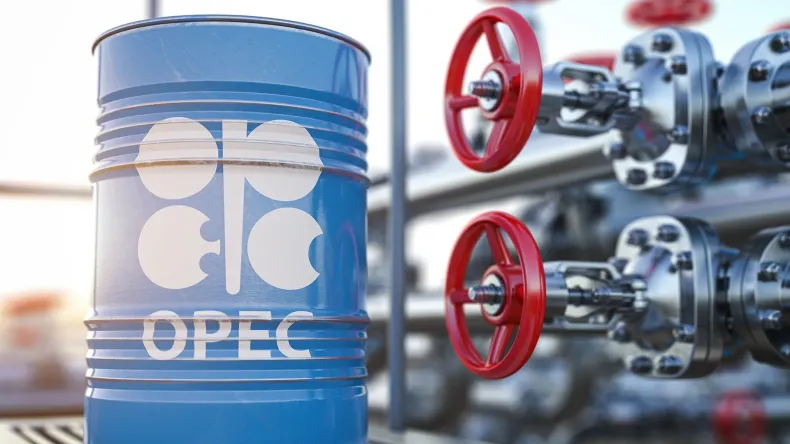
Seven member countries have preliminarily agreed to increase their oil production targets by approximately 188,000 barrels per day for June, ahead of the scheduled OPEC+ meeting tomorrow, Sunday. This potential output increase by the influential oil-producing bloc, which includes both OPEC members and non-OPEC allies, is a significant development. The decision comes as member countries continue the process of restoring output halted several years ago. This restoration of production capacity was underway before the outbreak of war, even as the United Arab Emirates (UAE) withdrew from OPEC and the alliance. The agreement among these seven nations suggests a strategic posture in a volatile global energy landscape.
Output Increase Details
The proposed output increase is largely symbolic, as the blocking of the Strait of Hormuz would prevent its implementation, according to reports. The output increase would be symbolic because, with the Strait of Hormuz effectively closed, member countries would be unable to implement the higher production targets. This situation shows the profound impact of geopolitical events on the practicalities of oil supply. Raising quotas now could be a strategic move for a later period, when the conflict concludes and member countries are able to revive their full production capacities. This forward-looking approach suggests an anticipation of future market conditions post-conflict. Officials from the United Arab Emirates have already indicated intentions to boost their production levels, signaling their independent plans for increased output.
Geopolitical Disruptions Impact
Most shipments through the Strait of Hormuz have ceased due to the ongoing US-Zionist war against Iran, according to reports. This conflict has effectively closed the vital shipping lane, compelling exporters around the Persian Gulf to halt significant portions of their output. The closure of Hormuz has forced exporters in the region to shutter vast swathes of their production, leading to a substantial reduction in operational capacity. This dramatic reduction in exports notes the vulnerability of global energy supplies to regional conflicts.
The war is reportedly causing a much greater disruption to member countries' oil production than any agreed-upon targets within the OPEC+ group. The closure of Hormuz directly affects the ability of producers to export, leading to a substantial reduction in operational capacity. The practical implications of the war far outweigh the theoretical increases in production targets, demonstrating the severe real-world constraints faced by oil producers in the region.
UAE Departure and Future Concerns
The group's potential output increase marks its first significant move since the surprise departure of the United Arab Emirates. The UAE quit the organization on Tuesday, citing years of frustration over constraints on its output as the reason for its exit. This decision by the UAE, a major oil producer, sent ripples through the market and within the alliance itself. Reports indicated concern that the UAE's exit could eventually set the stage for a rush for market share among producers, potentially destabilizing the delicate balance of supply and demand managed by OPEC+. The prospect of individual nations pursuing their own production strategies outside the collective framework raises questions about future market stability and the cohesion of remaining members.
Reuters first reported the potential output increase by OPEC+ on Wednesday, bringing the preliminary agreement to public attention. Delegates involved in the deliberations asked not to be identified, as discussions within the group are private, according to reports. This adherence to confidentiality is typical for OPEC+ proceedings, reflecting the sensitive nature of their policy decisions. The agreement by the seven member countries, despite the immediate logistical challenges posed by the Strait of Hormuz closure, signals a complex interplay of strategic planning and adaptation to ongoing geopolitical realities within the global oil market.