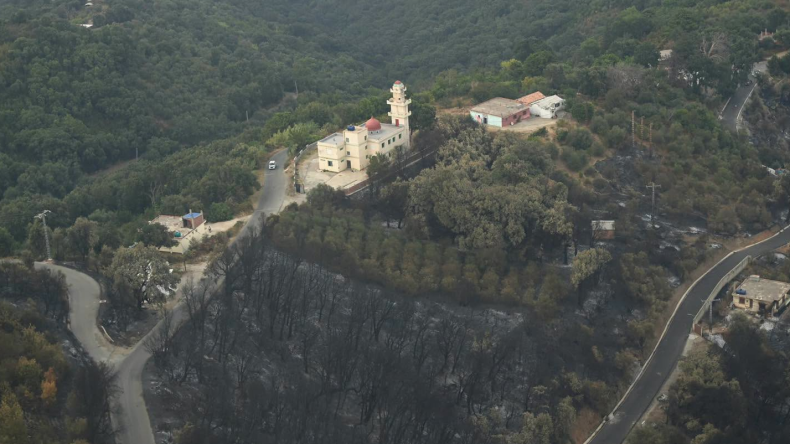
The Ministry of Post and Telecommunications has commenced extensive efforts to support communication networks in fire-affected areas, actively collaborating with national mobile operators. This key deployment of resources occurred after control was firmly established over the affected zones and safe access was granted to personnel and vital equipment. The overarching initiative aims to swiftly restore and maintain vital communication links in regions severely impacted by recent widespread fires, ensuring that residents and emergency services can remain connected.
Response to Widespread Fires
In a direct response to the significant damage caused by the blazes, mobile communication stations have been strategically deployed to replace damaged or out-of-service infrastructure. This immediate action aims to ensure the continuity of essential phone and internet services for citizens in affected communities. The decision to initiate these deployments was taken following alarming reports of 131 fires in vegetation across 15 provinces, noting the widespread nature of the emergency. The Ministry of Post and Telecommunications, working closely with متعاملي الهاتف النقال (mobile phone operators), has spearheaded these efforts. The primary focus of this intensive effort is concentrated in areas where fires have severely disrupted existing communication networks, including regions such as جيجل (Jijel) and other significantly affected provinces across الجزائر (Algeria). The ultimate objective is to re-establish essential connectivity as quickly as possible, thereby allowing residents to communicate with loved ones and enabling emergency services to coordinate their critical response efforts effectively.
Ensuring Service Continuity
To further enhance network resilience and coverage, mobile stations that were previously deployed temporarily at beaches for seasonal use are now being considered for redeployment. These units will bolster coverage in the fire-affected areas should the need arise, providing additional capacity and redundancy. This proactive measure aims to further ensure uninterrupted communication services for residents and emergency responders in regions where fixed infrastructure may have been compromised or destroyed by the fires. The strategic reallocation of these mobile units provides additional flexibility and responsiveness to address potential gaps in network coverage as the situation continues to evolve. This forward-thinking approach seeks to maintain essential connectivity, which is key for effective coordination and communication during the ongoing recovery efforts. The Ministry of Post and Telecommunications continues to rigorously monitor the situation to determine the optimal placement and utilization of these valuable resources, adapting to the dynamic needs on the ground.
Support for Emergency Services
A critical aspect of the deployment of mobile communication stations is to provide strong communication capabilities for all personnel involved in the emergency response. This measure specifically aims to enable security services, civil protection units, relief teams, and field interveners to have fast and stable communication means. Such reliable connectivity is indispensable for immediate coordination among various agencies and for sustaining prolonged intervention efforts in the affected regions. Ensuring these front-line teams have uninterrupted access to communication tools is critical for efficient disaster management and saving lives.
Free Access for Citizens
Recognizing the urgent needs of those impacted by the fires, the Minister of Post and Telecommunications issued a direct instruction to متعاملي الهاتف النقال (mobile phone operators). This directive mandates the provision of temporary free communication and internet services for citizens residing in the fire-affected areas. This key measure ensures that citizens can access essential connectivity without financial burden, facilitating their ability to communicate with family, access information, and coordinate personal recovery efforts during this challenging period. This initiative shows the commitment to supporting communities through the immediate aftermath and recovery.
Publication Date
The article was published on August 29, 2026.