Yacine Walid, the Minister of Agriculture, Rural Development, and Maritime Fisheries, announced the mobilization of unprecedented resources for the 2026 harvest and threshing season. The season has officially begun in the South, marking the commencement of a critical period for the nation's agricultural sector. Mr. Walid stated that these substantial resources would be strategically deployed across the entire national territory, ensuring full coverage and support for farmers. The Minister made these significant announcements via a post on Facebook, utilizing the platform to outline the government's extensive preparations and proactive measures for the upcoming agricultural period. This public declaration shows the government's commitment to bolstering agricultural output and efficiency.
Mobilized Resources Detailed
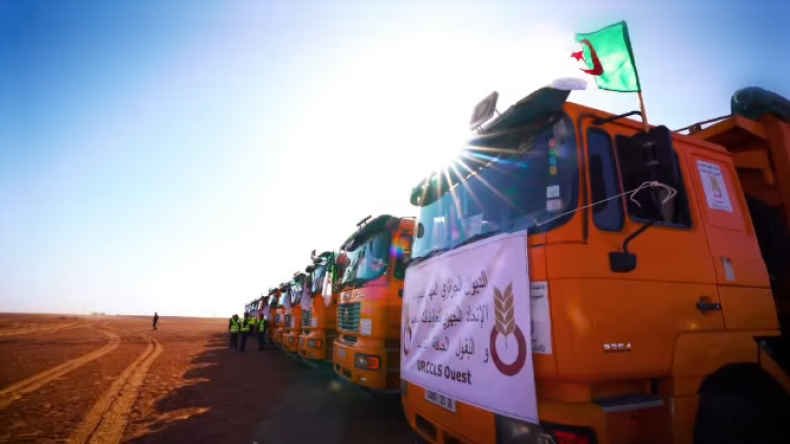
In a detailed breakdown of the resources being marshaled, Minister Walid confirmed that more than 1,100 combine harvesters are being mobilized for the agricultural season. This strong fleet is central to the government's strategy for efficient harvesting. Of these, a significant portion, specifically 330 harvesters, belong to Agrodrive, a specialized company that was established with the explicit purpose of enhancing agricultural mechanization across the country. The involvement of Agrodrive notes a targeted effort to improve the technological capacity available to farmers. To facilitate the key post-harvest logistics, over 1,200 trucks have also been mobilized to ensure the swift and efficient transport of grain from fields to storage facilities, minimizing delays and potential losses.
To support these extensive operations and ensure their smooth execution, a critical investment has been made in human capital. More than 900 combine harvester drivers have undergone specialized training, a collaborative effort undertaken in cooperation with the vocational training sector. This initiative ensures that the sophisticated machinery is operated by skilled personnel, further contributing to efficiency and safety. Additionally, to address the vital need for adequate storage, 307 neighborhood centers have been specifically provided and equipped to serve as grain storage facilities. These centers are strategically located to minimize transport distances and provide accessible storage solutions for farmers.
Strategic Agricultural Goals
These full efforts are meticulously structured to achieve several key strategic agricultural goals. Foremost among these aims is to significantly increase agricultural productivity across all relevant sectors. Concurrently, a major objective is to reduce losses during the critical harvest phase, a common challenge that can severely impact overall yield. The initiatives also seek to fundamentally improve the organization of both collection and storage facilities, creating a more streamlined and efficient post-harvest process. The government's extensive mobilization of resources is an integral part of a broader, long-term strategy aimed at achieving self-sufficiency in agricultural production, thereby reducing reliance on external sources. This strategic focus also intends to strengthen national food security across the entire country, safeguarding the nation's ability to feed its population. The declared goals encompass streamlining the harvest process from the moment crops are gathered in the field to their eventual storage, ensuring maximum efficiency and minimizing any potential waste throughout the chain.
Presidential Directives Context
The announced initiatives are described as integral to a positive transformation within the agricultural sector. This ambitious undertaking is directly aligned with directives issued by the President of the Republic, showing the high-level commitment to agricultural reform and development. The government's full mobilization of resources, which includes not only advanced machinery but also highly trained personnel and essential storage infrastructure, reflects a strategic and coordinated response to presidential guidance. This guidance is specifically aimed at enhancing agricultural capabilities and significantly boosting output across the nation. This overarching framework seeks to ensure the sector's continuous evolution and to bolster national food security through improved efficiency, strategic resource allocation, and a forward-looking approach to agricultural management across the national territory.