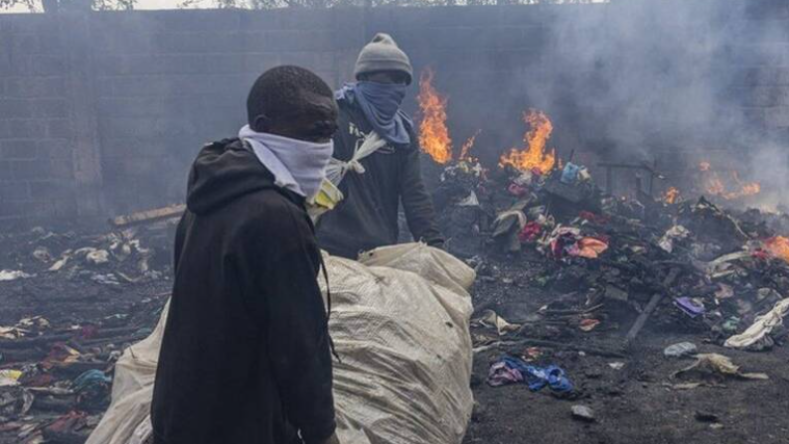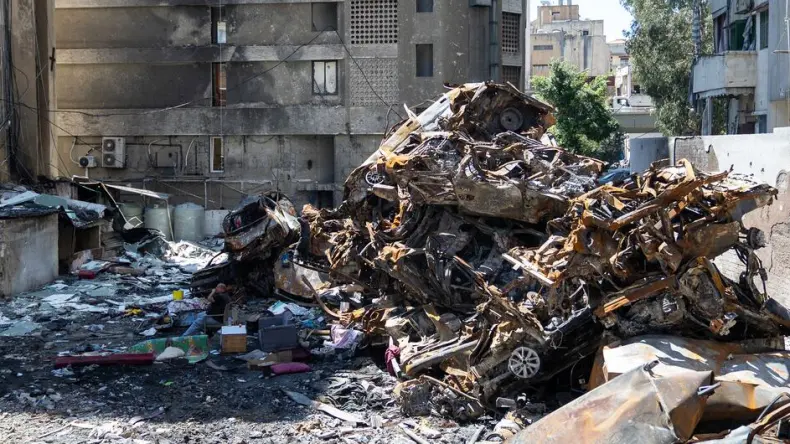
Israel conducted airstrikes in Beirut on Thursday, May 28, marking the second such attack since the April truce began, amidst a significant escalation of violence. This strike on Beirut on Thursday, May 28, represents a critical development, as it is the second instance of Israel targeting the Lebanese capital since the April truce was established. The Israeli army reported over 135 strikes within a 24-hour period, covering a broad geographical area that included Tyre, Bekaa, and other locations across southern Lebanon. Georges Rizq Allah stated that the ceasefire, which he noted was never fully respected, now appears to exist only on paper. The renewed hostilities indicate a clear collapse of the truce agreement in the region, with military actions intensifying significantly across multiple fronts.
Gaza Front Escalation
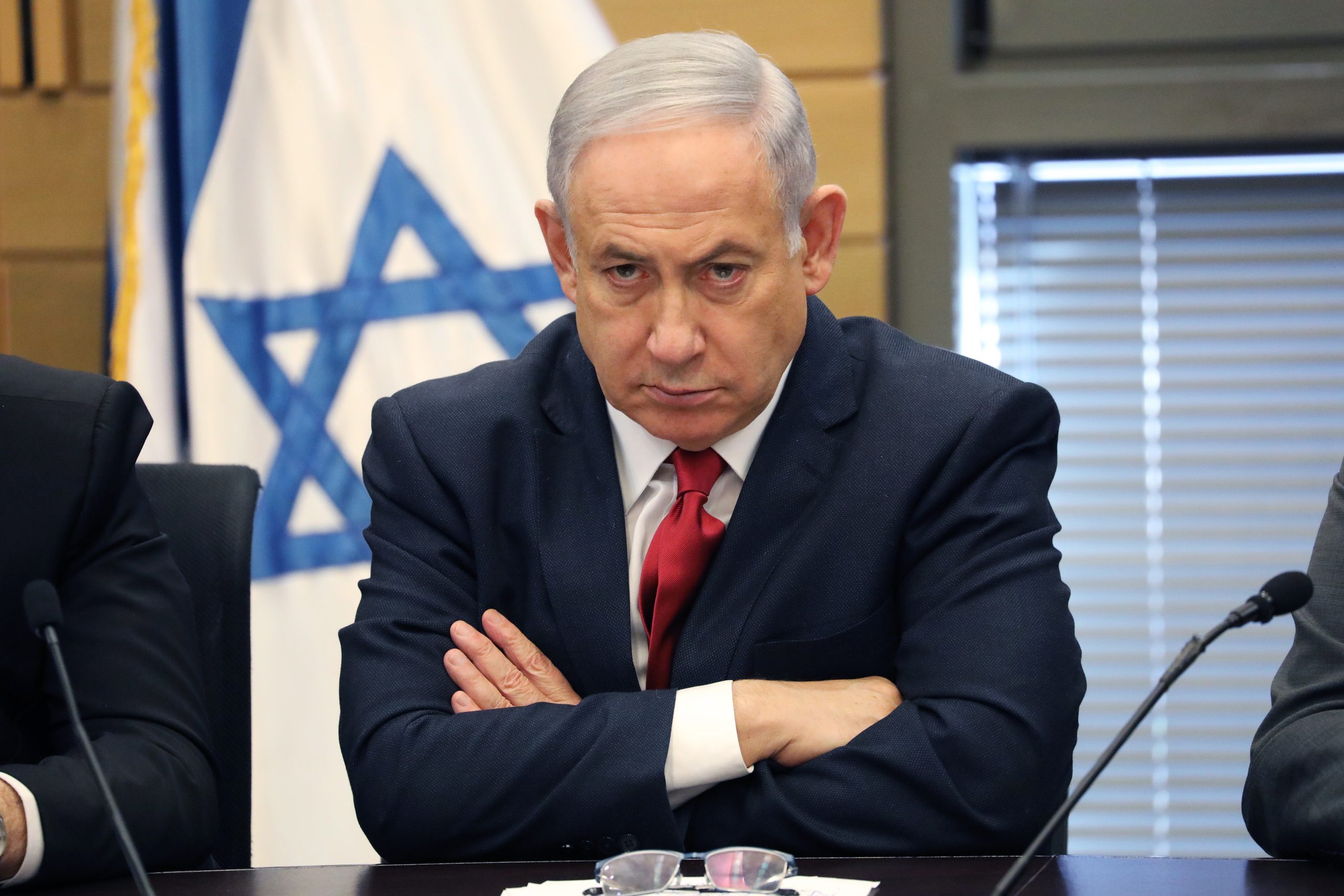
Prime Minister Benjamin Netanyahu stated that Israel currently controls 60% of the Gaza Strip and aims to expand that control further. He articulated his strategic objective, stating, "En ce moment, nous tenons le Hamas à la gorge. Nous contrôlons maintenant 60 % du territoire de la bande. Vous savez, nous étions à 50 après l’entrée en vigueur du cessez-le-feu, nous sommes passés à 60, ma directive est de passer à 70," which translates to, "In this moment, we are holding Hamas by the throat. We now control 60% of the territory of the strip. You know, we were at 50 after the ceasefire came into effect, we went up to 60, my directive is to go up to 70." This directive explicitly signals a sustained military push to secure more territory within the enclave following the collapse of the ceasefire, with Netanyahu claiming he wants to extend Israeli territorial control to 70% of Gaza. The Prime Minister's remarks show a determined effort to expand Israeli territorial control, indicating a long-term military strategy for the region.
Amidst the escalating conflict, the Israeli army confirmed the death of Mohammed Odeh, identified as the new head of Hamas's armed branch. Odeh was killed in a strike in Gaza the previous day. This operation marks a significant development in Israel's efforts to target Hamas leadership within the territory, aiming to dismantle the organization's command structure. The strike shows the ongoing intensity of military actions in the Gaza Strip and reflects a continued focus on high-value targets. The elimination of such a senior figure suggests a concerted intelligence and military effort to degrade Hamas’s operational capabilities.
Simultaneously, a mass evacuation order was issued in Tyre, a key port city in southern Lebanon. More than 125,000 inhabitants and displaced persons were ordered to leave the area the previous day. The city was subsequently bombed two hours after the evacuation directive, noting the immediate and severe danger faced by civilians in areas designated for strikes. The swift progression from evacuation order to military action illustrates the humanitarian impact of the renewed conflict on densely populated urban centers, forcing a large-scale displacement of the civilian population. This pattern of issuing evacuation orders followed by military strikes has become a grim reality for residents in conflict zones, exacerbating the humanitarian crisis.
Lebanon Under Fire
Lebanese political and security sources have indicated that the United States may have sanctioned targeted strikes against Hezbollah cadres while maintaining a veto on more extensive bombing operations. This nuanced position suggests a strategic approach by the US, allowing for specific military actions while aiming to prevent a full-scale regional conflagration. The Lebanese Ministry of Health reported at least 14 fatalities and 21 injuries resulting from Israeli strikes in southern Lebanon, providing a stark count of the human cost of these operations.
Israeli aviation conducted a strike on an apartment in Choueifat, located in southern Beirut, on Thursday. The target in Choueifat was reportedly Ali Husseini, identified as the "commander of the rocket unit within a regiment of the al-Qods brigade of the Iranian Revolutionary Guards." This targeting of a specific high-ranking individual indicates a precise intelligence-led operation. Georges Kettaneh, Secretary General of the Lebanese Red Cross, stated on LBCI that the strike targeted "a residential apartment," raising concerns about civilian infrastructure and the potential for collateral damage despite the alleged military objective. The presence of a military target within a residential area further complicates the conflict's impact on civilian lives.
The violence extended beyond Beirut, deeply affecting southern Lebanon. In Sidon, a dawn strike on a building resulted in the deaths of five people, marking a tragic loss of life in the early hours. Another attack, targeting a moving car in the same region, killed six individuals, including two children and their parents, showing the devastating impact on families and the indiscriminate nature of some of the strikes. In Tyre, a drone strike killed two people, adding to the growing casualty count in the southern coastal city. A soldier of the Lebanese army was also killed during the recent hostilities, indicating the broader involvement and risks faced by national forces in the escalating conflict.
Following these events, immediate evacuation orders were issued for the towns of Habbouch, Kfour, Sahmar, Ain Qana, Nabatiyeh al-Tahta, and Kfar Remman. These widespread evacuation directives suggest an anticipation of further military operations and a proactive measure to protect civilians, though they also signify a significant disruption to daily life and displacement for thousands. The escalation of violence across southern Lebanon and into Beirut marks a significant increase in military activity, far beyond the scope of previous engagements. The reported targeting of specific individuals and residential areas has drawn intense attention to the civilian impact of the renewed conflict, prompting international condemnation and calls for de-escalation. The scale of the reported casualties and the widespread evacuation orders show the intensifying situation in the region, pointing to a rapidly deteriorating security environment. The alleged US position on targeted strikes also points to a complex geopolitical dimension influencing the nature of military operations in Lebanon, suggesting a degree of international involvement in shaping the conflict's parameters. The strikes in Sidon and Tyre, particularly those affecting civilians and children, highlight the severe humanitarian consequences of the ongoing confrontation, drawing global concern for the protection of non-combatants. The death of a Lebanese army soldier further indicates the broad impact of the current military actions on multiple entities within the country, extending beyond non-state actors. The directive for mass evacuations suggests a potential for continued or expanded military operations in these southern Lebanese areas, leading to further displacement and humanitarian challenges.
Iran's Role and Reactions
The US military command for the Middle East (Centcom) denounced Iran's actions, stating they constituted "une violation flagrante du cessez-le-feu par le régime iranien." This condemnation from a key international player notes the perception of Iran's role in undermining regional stability. Kuwait's Ministry of Foreign Affairs echoed this sentiment, calling recent launches "attaques criminelles iraniques" that represented "une dangereuse escalade." These strong condemnations followed reports that Iran suffered new American strikes and subsequently targeted Kuwait in retaliation or as a show of force.
Iran reportedly launched a ballistic missile against Kuwait, which Kuwaiti forces successfully intercepted, preventing potential damage and casualties. Additionally, Iran launched five drones threatening the Strait of Hormuz, a critical global shipping lane, all of which were also intercepted, demonstrating effective defensive measures by regional forces. Amidst these developments, the Hezbollah claimed responsibility for four operations against Israeli armored vehicles in the south, indicating a direct involvement of Iranian-backed groups in the ongoing hostilities against Israel. The Israeli army confirmed the death of a female soldier from the Givati brigade and reported seven wounded in booby-trapped drone attacks, without directly attributing these to Iran or its proxies in the facts provided, though the timing suggests a connection to the broader regional tensions. These incidents show the multi-faceted nature of the conflict, involving both state and non-state actors.
In response to the escalating situation, Iran's supreme leader Mojtaba Khamenei stated that Washington and Tel Aviv seek to "bring the nation to its knees," framing the conflict as an existential struggle against external pressures. Tehran, in turn, accused the United States of "violations" of the ceasefire following American strikes on Bandar Abbas, a significant port city in Iran. This reciprocal accusation notes the breakdown of any pretense of a ceasefire and the tit-for-tat nature of the conflict. Washington has announced its intention to "cut off access for the two Iranian airlines to landing sites, refueling, and ticket sales," indicating further sanctions targeting Iran aimed at crippling its economic and logistical capabilities. This move signifies an escalation in economic pressure, adding another dimension to the ongoing confrontation.
Global Impact and Diplomacy
Global markets trembled due to the escalating tensions, reflecting widespread concern about the potential for a broader regional conflict and its implications for vital resources. Brent crude oil was trading at $97.06 per barrel on Thursday morning, marking an increase of nearly 3%, driven by fears of supply disruptions in the Middle East, a major oil-producing region. US WTI crude oil concurrently reached $91.17, indicating a similar upward trend in energy prices. European stock markets opened lower, with London down over 1% and Paris down 0.5%, signaling investor apprehension and a retreat from riskier assets.
Amidst the volatility, indirect military talks between Beirut and Tel Aviv were scheduled to open Friday in Washington, offering a glimmer of hope for de-escalation through diplomatic channels. A prolonged session was planned for June 2 and 3 at the Pentagon, emphasizing the seriousness and complexity of the discussions. A Lebanese military delegation, led by Brigadier General Georges Rizq Allah, director of army operations, will represent the Lebanese state, indicating the military-focused nature of these negotiations. However, Israel announced the freezing of its relations with the office of UN Secretary-General António Guterres, signaling a diplomatic rift and a rejection of the UN's role in the current crisis. Ambassador Danny Danon stated on X: 'We are done with this Secretary General,' showing Israel's frustration with the UN's stance and its perceived lack of effectiveness in the region. This diplomatic freeze further complicates international efforts to mediate a resolution and notes the deep divisions among key actors.