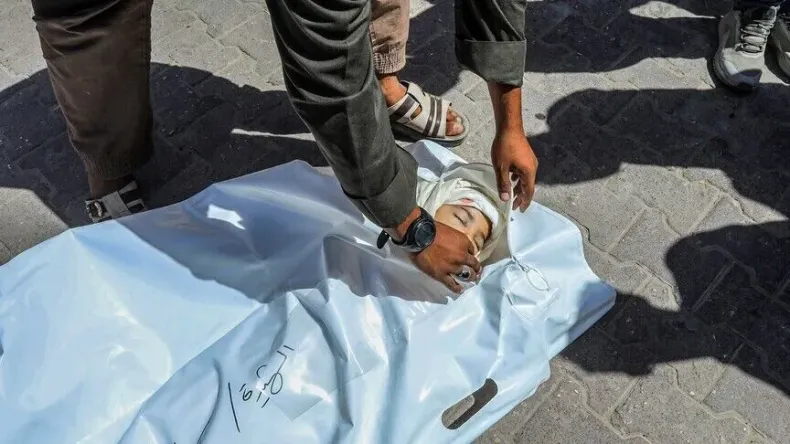
Israel has decided to return the body of 15-year-old Palestinian adolescent Jadallah Jihad Jumaa Jadallah, who was killed by Israeli army fire in November. Israeli authorities informed the Israeli Supreme Court on Wednesday that the body would be returned "in the coming days." This decision follows a protracted period during which the teenager's remains were held by the state. Jadallah was killed during an operation in the Al-Fara’a camp, Tubas, on November 16, 2025. His body has been held for over nine months following the incident, a practice that has drawn significant criticism from human rights organizations and Palestinian advocacy groups. The impending return brings to a close a challenging period for his family, who have been awaiting the opportunity to properly bury their son.
Legal Battle and Supreme Court Intervention
The decision to return Jadallah Jihad Jumaa Jadallah's body came after a request was filed in March before the Israeli Supreme Court. This legal challenge prompted authorities to address the status of the teenager's remains, which had been held since his death. The Supreme Court was the forum where Israeli authorities formally communicated their intention to release the body. This legal avenue has become increasingly common for Palestinian families seeking the return of their loved ones' remains. In 2019, the Israeli Supreme Court had previously authorized authorities to retain Palestinian bodies. That ruling permitted the practice as a form of leverage, allowing the state to hold bodies in certain circumstances, often citing security concerns or as a bargaining chip in future negotiations. The court's 2019 decision has been a significant point of contention in cases involving the return of Palestinian individuals killed during clashes or operations, with critics arguing it violates international humanitarian law and basic human rights.
Broader Context of Held Bodies
The case of Jadallah Jihad Jumaa Jadallah is part of a much broader issue concerning the retention of Palestinian bodies by Israeli authorities. The Campagne nationale pour la restitution des dépouilles des martyrs palestiniens (National Campaign for the Return of the Bodies of Palestinian Martyrs) reports that Israel currently holds the remains of approximately 1,700 Palestinians. This significant figure includes both identified and unidentified individuals, reflecting the scale of this ongoing policy.
Of the total number of bodies held, 799 have been identified, according to the organization's detailed records. Among these identified remains are 81 children, all under the age of 18 at the time of their deaths, showing the tragic impact of the conflict on young lives. Additionally, the identified bodies include 99 Palestinians who died while in Israeli prisons, raising further questions about the circumstances of their deaths and the subsequent treatment of their remains. The demographic scope of this policy is also evident in the fact that among the identified remains are 10 women, noting that the practice affects individuals across all segments of Palestinian society. A significant portion of these remains, specifically 256 bodies, are reportedly kept in what are referred to as "cemeteries of numbers." These are discreet burial sites with graves marked only by numerical plates, used by Israel to inter the bodies of Palestinians killed in clashes or during security operations, often without the knowledge or consent of their families.
Family's Grief and Rights
Jadallah Jihad Jumaa Jadallah, a 15-year-old, died more than nine months ago. He was from the Al-Fara’a refugee camp, located in Tubas, a community that has experienced numerous such incidents. Israeli authorities have held his body since his death on November 16, 2025, a practice that has drawn criticism from Palestinian rights groups and international human rights organizations, who argue it inflicts further suffering on grieving families. The decision to return his remains comes after a prolonged period of the family being unable to bury their son in accordance with their traditions and beliefs, a fundamental aspect of human dignity. The broader issue of bodies held by Israel affects many families across the Palestinian territories, with each case representing a personal tragedy compounded by the inability to achieve closure. The return of Jadallah's body marks a specific instance within a larger context of ongoing efforts by families and legal advocates to retrieve the remains of their loved ones, providing a glimmer of hope for others in similar situations.