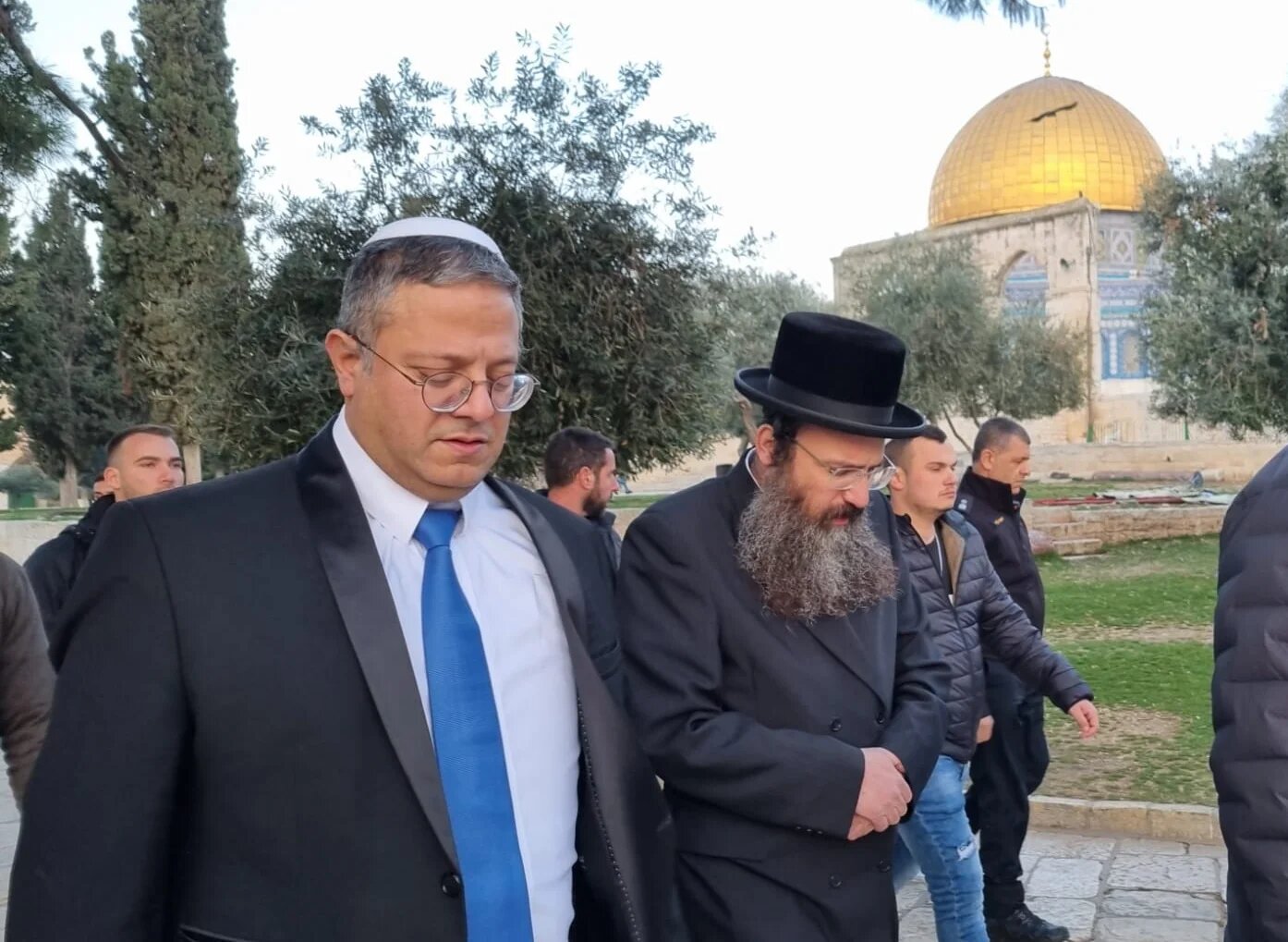
Israeli police have initiated a recruitment campaign targeting far-right circles and Orthodox Jews for units responsible for security at Al-Aqsa Mosque, according to a report by the Israeli newspaper Haaretz. The initiative is part of an effort orchestrated by Israeli Minister of National Security Itamar Ben Gvir. This specific recruitment drive is seen as a significant move in the ongoing efforts to shape the security landscape around one of Jerusalem's most sensitive holy sites, a location revered by billions worldwide. The campaign's focus on these particular demographics has raised concerns among Palestinian authorities and international observers regarding its implications for the delicate status quo of the compound.
The campaign seeks to integrate individuals from these specific religious and political backgrounds into the security forces overseeing the sensitive Jerusalem site. This development follows Minister Ben Gvir's push to influence security arrangements at the Al-Aqsa Mosque compound, a site revered by both Muslims and Jews, who refer to it as the Temple Mount. The recruitment drive, as reported by Haaretz, signifies a strategic shift in the composition of security personnel deployed at one of the Old City of Jerusalem's most contentious holy sites. This strategy, according to observers, aims to embed an Orthodox and nationalist Jewish presence within the security forces responsible for the compound, thereby potentially altering the long-established power dynamics and religious practices at the site. The move is viewed by many as a deliberate attempt to reshape the religious and political character of the Al-Aqsa Mosque compound, which holds immense significance for all three Abrahamic faiths.
Inside the Recruitment Drive
The recruitment strategy aims to embed an Orthodox and nationalist Jewish presence within the security forces assigned to the Al-Aqsa Mosque compound. Lieutenant Colonel Daniel Lersch, deputy commander of the "Temple Mount" police unit, orchestrated a recruitment operation using social media and WhatsApp groups to attract new personnel. This targeted outreach specifically focused on individuals within religious right-wing currents and settler communities from the occupied West Bank, seeking to draw them into the security apparatus. The use of these platforms allowed for direct communication with the intended demographic, ensuring the message reached those most aligned with the ideological goals of the initiative.
Recruitment conditions for these positions include a work schedule of four days per week or ten days per month, according to information disseminated during the drive. This flexible work arrangement is designed to accommodate the personal needs of the recruits, offering adaptability in their work schedules and making the roles more appealing to individuals who may have other commitments. The compensation package is described as providing "a good salary," a detail noted to potential recruits as an additional incentive to join. Lieutenant Colonel Daniel Lersch further characterized the recruitment as offering "a high-level national service," emphasizing the perceived importance and prestige of the roles within the broader context of Israeli national objectives. This framing aims to appeal to a sense of national duty and religious conviction among potential candidates, reinforcing the ideological underpinnings of the recruitment drive.
Individuals who have previously participated in "incursions" into the Al-Aqsa Mosque over the past year have integrated into the security unit. This integration notes the specific demographic being targeted by the recruitment efforts, drawing from a pool of individuals already actively engaged with the site in a religiously motivated capacity. These individuals, already familiar with the compound and often possessing strong ideological convictions regarding its Jewish heritage, are seen as ideal candidates for the newly structured security units. Police officers stationed at Jerusalem's Old City religious sites reportedly maintain regular contact with Minister of National Security Itamar Ben Gvir and his wife, demonstrating a direct line of communication between the security personnel and the minister's office, further showing the political oversight of these security arrangements. This direct communication channel suggests a close coordination between the minister's political agenda and the operational activities of the security forces on the ground, raising questions about the independence and neutrality of security operations at the holy site.
Religious Incitement and Ideological Goals
Groups linked to religious right-wing currents and settlers from the occupied West Bank are being targeted for recruitment into the Al-Aqsa Mosque security units. The Israeli newspaper Haaretz suggests that this recruitment constitutes part of an "institutional infiltration" of the security forces operating at the sensitive holy site. This infiltration is viewed by some as a deliberate strategy to alter the long-standing status quo at the compound, which has historically governed access and worship for both Muslims and Jews. The systematic integration of individuals with specific ideological viewpoints into the security apparatus is perceived as a significant departure from previous policies aimed at maintaining a neutral and balanced security presence.
Rabbis associated with groups that advocate for changes to the esplanade's status quo are actively inciting their students to join these security forces. These religious leaders are leveraging their influence to encourage their followers to become part of the security presence at the Al-Aqsa Mosque compound, framing it as a religious and national imperative. Among them is Rabbi Shmuel Eliyahu, who has publicly called for the construction of a synagogue within the Al-Aqsa Mosque esplanade, a proposal that would fundamentally alter the religious landscape of the site and is highly provocative to Muslims worldwide. His father, Rabbi Mordekhai Eliyahu, previously referred to the site as "the most sacred place for the Jewish people," according to reports, providing a theological basis for such calls and reinforcing the religious motivation behind the push for greater Jewish presence and control. Such calls from influential religious figures add significant weight to the recruitment efforts, encouraging young, religiously observant individuals to join the ranks of the security forces.
Minister of National Security Itamar Ben Gvir has also advocated for authorizing the raising of Israeli flags on the esplanade, a move that would be seen as a significant assertion of Israeli sovereignty and a departure from the established norms governing the site. Ben Gvir, while a member of the Knesset, used his parliamentary immunity to plant an Israeli flag on the site himself, an action that drew international attention and criticism regarding the status quo of the Al-Aqsa Mosque compound. This personal act, combined with his official advocacy, shows the political and ideological drive behind these changes. These actions and recruitment efforts are viewed by some as part of a broader strategy to assert greater Israeli religious and political control over the site, potentially leading to increased tensions and further destabilization in an already volatile region. The consistent push by Minister Ben Gvir and his allies to challenge the existing arrangements is a central element of the current controversy.
Escalating Tensions and International Reactions
Palestinians have denounced the initiative as a new step in a project of "Judaization" of Islam's third holiest site. This term reflects deep concerns that the recruitment drive and associated policies are part of a deliberate effort to alter the religious and cultural identity of the Al-Aqsa Mosque compound, marginalizing its Islamic character and asserting Jewish claims over the entire area. Experts view these measures as a coherent policy designed to redefine the Al-Aqsa Mosque compound's status, moving away from the historical arrangements that have governed the site for decades. The number of Jewish visitors on the esplanade has considerably increased in recent months, alongside an extension of access hours by an additional hour, further contributing to the perception of a changing status quo. Loud Jewish prayers and liturgical leaflets have been authorized inside the site, marking a shift in previously enforced regulations that aimed to maintain a delicate balance between religious observances and prevent provocation. These changes in access and worship practices are perceived by Palestinians as direct infringements on Muslim rights and a systematic erosion of the status quo.
The Palestinian Authority's Jerusalem Governorate condemned the recruitment on Thursday, June 5, calling it "a dangerous development." This strong condemnation shows the severity with which Palestinian authorities view these changes, interpreting them as direct threats to the sanctity and status of the holy site and a clear violation of international agreements. Jordan, which holds custodianship over Jerusalem's holy sites, has also reacted to what it perceives as violations of the status quo at Al-Aqsa, reiterating its commitment to preserving the historical and legal arrangements governing the compound. The Hashemite Kingdom has consistently emphasized its role as guardian of the Muslim and Christian holy sites in Jerusalem, and any perceived breach of the status quo is met with strong diplomatic responses. The Organization of Islamic Cooperation (OCI) and various Arab governments have issued warnings regarding the ongoing developments at the sacred compound, expressing collective concern over the potential for further escalation and instability in the region due to these actions. These international reactions highlight the widespread apprehension that the recruitment campaign and associated policy changes could ignite broader religious and political conflicts, extending beyond the immediate vicinity of Jerusalem. The international community continues to monitor the situation closely, emphasizing the need to uphold the historical status quo to prevent further destabilization and ensure peace and security in the region.