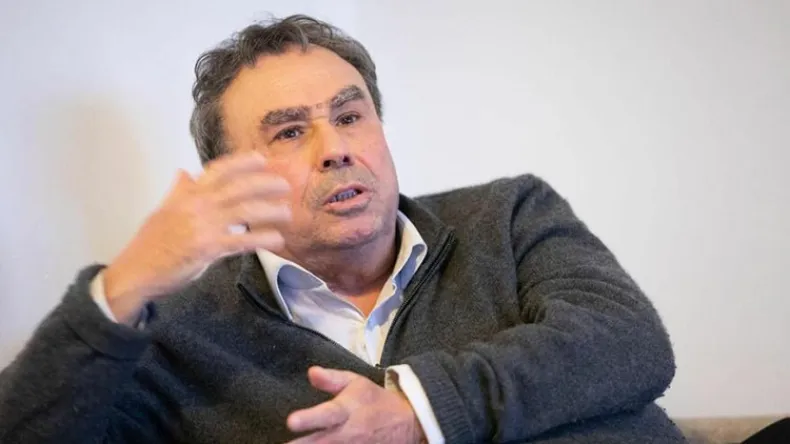
Benjamin Stora, an advisor to the Élysée Palace for memory affairs and a French historian, has voiced concerns regarding a potential setback in Algerian-French relations, according to an article published on May 15, 2026. Stora suggested that Algeria is poised to become a central subject in upcoming French presidential elections, a development he believes could jeopardize the nascent calm between the two nations. The historian indicated that the current period of improved relations is in its early stages and remains fragile. Stora expressed apprehension that recurring political debates in France involving Algeria could undermine this delicate progress, emphasizing the delicate nature of the current rapprochement. He specifically noted his concern that Algeria will once again be the focus of political debate in the French presidential elections, potentially disrupting the fragile peace that has begun to emerge.
Political Attacks Fueling Tensions
Benjamin Stora believes some French parties are attempting to influence the ongoing rapprochement between Algeria and France. French President Emmanuel Macron has faced accusations from some political opponents, particularly from the right, of submission to Algeria. Many political opponents of Macron, particularly from the right, have explicitly accused him of submission to Algeria, turning the relationship into a political weapon. Stora expressed concern regarding a continuous campaign targeting Algeria in France by certain far-right media outlets, specifically citing CNews. He stated that CNews broadcasts highly offensive and insulting remarks directed not just at the Algerian government, but at Algerians more broadly. These remarks, he noted, contribute to a climate of animosity and misunderstanding, making constructive dialogue more difficult.
Stora noted that discussions surrounding the French colonial past and the Organisation armée secrète (OAS) have extended beyond the far-right, becoming more widespread in political discourse. He noted the alliance between former Gaullist Party president Éric Ciotti and Marine Le Pen's party, which is a defender of the 'French Algeria' thesis. This alliance, Stora suggested, signifies a concerning shift in the mainstreaming of historical narratives previously considered fringe. Stora also pointed out that even the left, generally considered anti-colonial, did not support his report submitted to the Élysée Palace in 2021. He noted the left's lack of support for the formation of the joint Algerian-French committee established to discuss the memory file. This lack of broad political consensus, even from expected allies, shows the deep divisions and sensitivities surrounding French-Algerian history within French politics. The historian's report, intended to foster reconciliation and acknowledgment, received insufficient backing, complicating efforts to move forward.
Echoes of Colonial Past
Former French Prime Minister Édouard Philippe, a potential presidential candidate, stated that he would "not accept that France offers more advantages to a country that only directs criticism at France." This statement shows a hardening stance among some French political figures regarding relations with Algeria. The historian Benjamin Stora noted that the memory file between the two nations should correctly return to bilateral relations through France's acknowledgment of past events. Stora's perspective emphasizes the importance of historical recognition in fostering a stable relationship, arguing that a full and open accounting of the past is essential for future cooperation. He believes that genuine acknowledgment from France is a prerequisite for overcoming historical grievances and building a more strong bilateral relationship. Without this, he warns, the memory file will continue to be a source of tension rather than a path to reconciliation.
The visit to commemorate the massacres of May 8, 1945, in Sétif, Guelma, and Kherrata, which resulted in 45,000 martyrs, represents a significant point of contention and historical memory for Algeria. This event remains a foundational element of Algerian national identity and remembrance, noting the profound impact of colonial violence. Stora also warned about the disappearance of the Gaullist current within French politics, stating that its ideas and values are now shared with the far-right. This shift suggests a broader acceptance of certain historical narratives previously associated with more extreme political factions, potentially eroding the nuanced approaches to history that the Gaullist tradition once represented. The historian's concerns highlight how these historical echoes continue to resonate within contemporary political discourse, influencing potential electoral campaigns and diplomatic efforts. The absorption of Gaullist ideas into the far-right, according to Stora, indicates a worrying trend where historical revisionism and a less conciliatory stance toward Algeria could gain more political traction.
Stora's Call for Acknowledgment
Against this backdrop of heightened political rhetoric, France has taken steps to maintain diplomatic engagement with Algeria. Alice Rufo, the Minister Delegate to the French Ministry of the Armed Forces, was recently dispatched to Algeria. Her travel coincided with the return of Ambassador Stéphane Romatet to his post in Algiers. This diplomatic movement indicates an effort to sustain official communication channels despite the domestic political pressures in France. These actions demonstrate a clear intention from the French government to uphold the diplomatic relationship, even as internal political debates threaten to destabilize it.
The presence of a high-ranking minister from the French Ministry of the Armed Forces shows the strategic importance France places on its relationship with Algeria, particularly concerning defense and security cooperation. This visit signals France's commitment to maintaining practical cooperation despite political headwinds. The return of Ambassador Romatet further signals France's commitment to maintaining a consistent diplomatic presence and engagement, even as internal French political debates intensify around Algerian-French relations. These diplomatic actions occur amidst historian Benjamin Stora's warnings that French election rhetoric could jeopardize the fragile calm between the two nations, noting the delicate balance required in managing the bilateral relationship. The visit by Minister Rufo and the ambassador's return are perceived as attempts to stabilize diplomatic ties and prevent further deterioration of relations, despite the ongoing political discourse in France. These efforts aim to counteract the potentially damaging effects of political rhetoric and ensure that the channels for dialogue and cooperation remain open between Paris and Algiers.