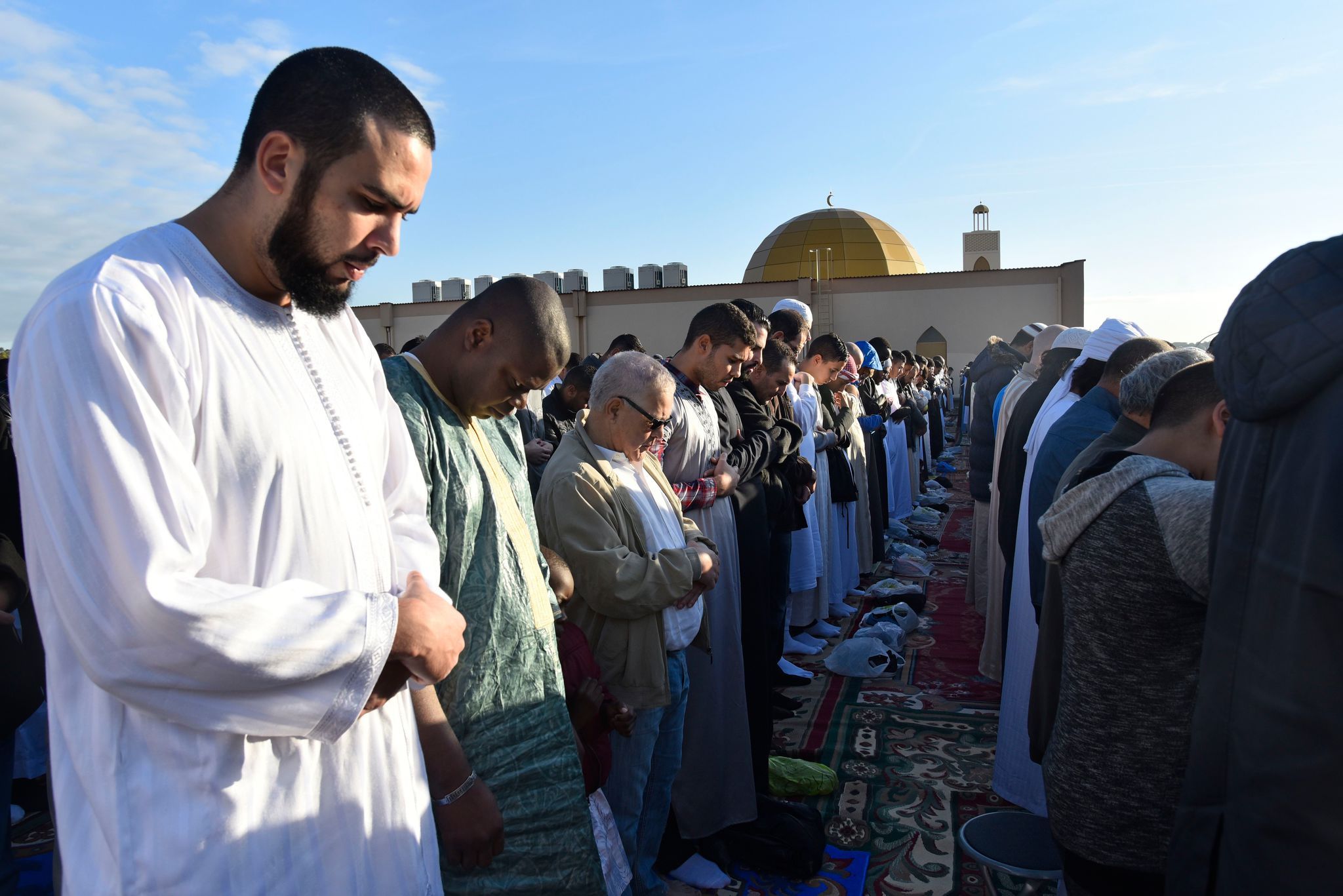
Approximately six million Muslims in France celebrated Aïd el Adha on Wednesday, May 27, 2026, as a heatwave vigilance alert was triggered across parts of the country. A yellow heatwave vigilance warning was activated for Paris, specifically covering May 27 and 28, 2026. The heatwave vigilance alert was triggered on the morning of May 27, 2026, coinciding directly with the start of the religious holiday. The simultaneous occurrence of the celebration and the heatwave prompted concerns among community members regarding public health and safety during the festivities, particularly given the elevated temperatures.
Unprecedented May Heatwave
The Aïd el Adha celebrations in France coincided with an early heatwave, which saw temperatures approach 33°C in the Île-de-France region. This meteorological event marked a significant period of heat during the week of May 25 to May 31, 2026, with temperatures consistently near 33 degrees Celsius. Meteorological services characterized the heatwave episode as "unprecedented in May," noting its unusual timing and intensity for the season. This remarkable heat episode in Île-de-France presented a unique challenge for residents and event organizers alike. The celebration occurred during this early heatwave, with temperatures nearing 33°C in Île-de-France, creating a challenging environment for outdoor activities and gatherings. The simultaneous occurrence of the religious holiday and the elevated temperatures posed challenges for communities observing the festivities across the region, necessitating careful planning and adaptation.
Calendar Shifts and Traditions
The Hegira calendar, which is lunar, causes the date of Aïd el Adha to shift by approximately ten to eleven days each year when observed on the Gregorian calendar. This annual adjustment means the festival, previously celebrated in November or December in past years, now occurs in May. This shift means the festival, celebrated in November or December years ago, now falls in May, altering the traditional climate conditions for the observance. For 2026, the days of tachrîq, the period during which the ritual sacrifice can be performed, extend from May 27 to May 30. This calendar shift contributed to the celebration coinciding with an early heatwave across France, a situation that would have been highly improbable during its winter observances in previous decades. The adjustment of the festival's timing due to the lunar calendar thus brought it into direct contact with atypical spring weather patterns.
Logistical Challenges and Adaptations
Families in Aubervilliers, Saint-Denis, Marseille, and Lyon gathered to celebrate Aïd el Adha, braving the high temperatures to share traditional meals and distribute meat to those in need. France's strict regulations mandate that all ritual sacrifices be performed exclusively in approved slaughterhouses. These regulations on slaughter require sacrifices to be performed in approved slaughterhouses, ensuring hygiene and animal welfare standards. Local authorities collaborated with Muslim communities to ensure that all operations adhered to established sanitary standards throughout the festivities. This collaboration was key for managing the large-scale ritual requirements under stringent public health guidelines. Additionally, these slaughterhouses faced the challenge of managing constraints related to high heat, particularly concerning the welfare of waiting animals. Ensuring the comfort and safety of animals in such conditions required extra measures and careful oversight. Families in Aubervilliers, Saint-Denis, Marseille, and Lyon braved the heat to gather, share traditional meals, and distribute meat to the needy, demonstrating their commitment to the holiday's customs despite the environmental difficulties.
Community Resilience Amidst Heat
Muslim communities across France demonstrated resilience and adaptability during the Aïd el Adha celebrations, which coincided with an unprecedented May heatwave. Despite the elevated temperatures, families in cities like Aubervilliers, Saint-Denis, Marseille, and Lyon proceeded with their traditional observances. These included sharing festive meals and distributing meat, often outdoors, while managing the logistical challenges posed by the heat. The community's determination to uphold traditions was evident as they adapted their celebrations to ensure safety and comfort.
Community leaders and local authorities collaborated to ensure the festivities adhered to both religious customs and public health guidelines. Approved slaughterhouses, essential for ritual sacrifices under French regulations, implemented measures to manage the constraints of high heat, particularly concerning animal welfare. This included provisions for ventilation, shade, and water to mitigate the impact of the elevated temperatures on the animals awaiting sacrifice. The collective effort ensured that the celebrations could proceed safely, reflecting the community's determination to uphold their traditions even under challenging weather conditions. This communal spirit was evident as individuals and families found ways to mitigate the heat's impact, allowing for the continuation of important cultural and religious practices. The successful navigation of these challenges showed the strong community bonds and effective coordination between religious leaders and local governance.