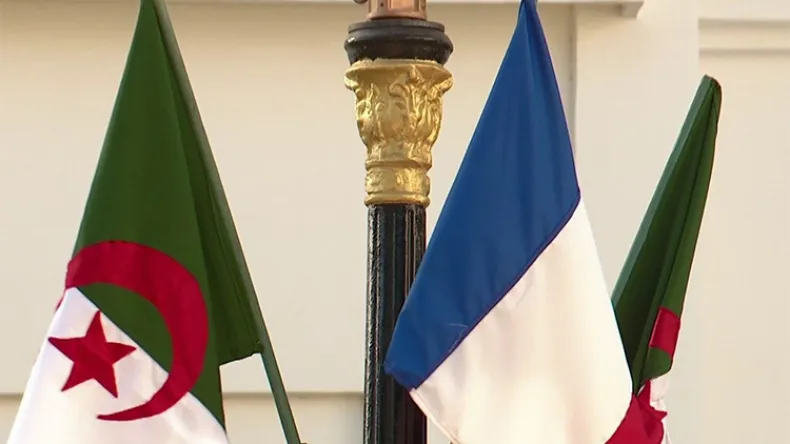
French Ambassador Stéphane Romatet has returned to his post in Algiers, signaling a potential thaw in diplomatic relations between France and Algeria. The resumption of his duties follows a period of strained ties and comes as both nations navigate their respective political landscapes. This diplomatic move is viewed as a significant step towards mending a relationship that has experienced considerable turbulence in recent years.
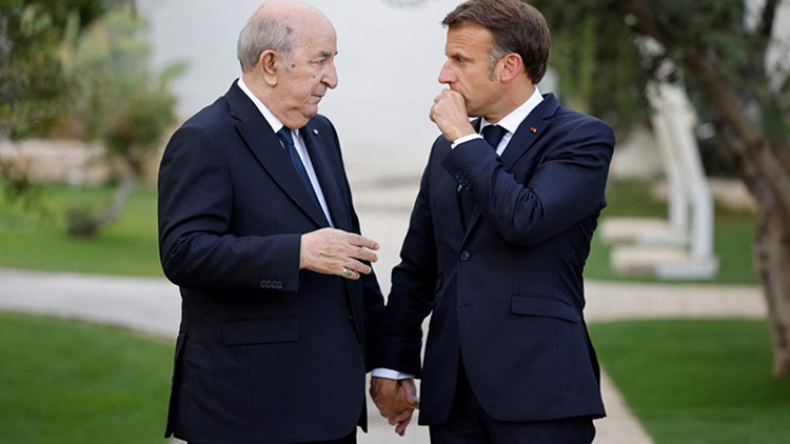
Alice Rufo, an Elysée Palace advisor, stated that Algerian President Abdelmadjid Tebboune "expressed his approval" for the Algerian-French joint committee on the memory file to resume its work. This committee addresses historical issues stemming from Algeria's colonial past. The committee had been suspended for nearly two years, a period marked by significant diplomatic friction. This suspension followed French President Emmanuel Macron's stance on the Western Sahara issue, which had created a notable rift between Paris and Algiers. Mohamed Khouja, former head of the Institute of Political Science and International Relations at Algiers 3 University, believes France is attempting to prepare the ground for its next president by engaging in détente efforts with Algeria. This strategic engagement shows a broader effort by France to stabilize its relationship with the North African nation.
Memory File Progress and Historical Reckoning
French Minister Delegate for the Armed Forces, Alice Rufo, met with Algerian President Abdelmadjid Tebboune in Algeria to discuss the memory file, a key area of bilateral relations. This dialogue is central to addressing the deeply sensitive historical issues that continue to shape Franco-Algerian ties. Algeria's primary demand in these discussions is an apology from France for its historical crimes during the colonial period, a long-standing request that remains a cornerstone of Algerian expectations for reconciliation. The joint committee addressing these historical issues had been suspended for nearly two years, as previously noted, a direct consequence of the diplomatic friction arising from French President Emmanuel Macron's stance on the Western Sahara issue. The reactivation of this committee signifies a renewed commitment from both sides to tackle these complex historical narratives.
As part of the renewed engagement, France agreed to provide Algeria with maps detailing nuclear tests conducted in the Algerian Sahara between 1961 and 1967. This agreement is a concrete step towards transparency regarding a painful chapter in Algerian history under French colonial rule. While this marks a step forward in acknowledging past actions, the issue of cleaning up areas affected by these nuclear explosions remains under discussion within the French government. The environmental and health impacts of these tests are a significant concern for Algeria, and full solutions are sought. The memory file encompasses sensitive historical issues, and progress on these fronts is seen as key for improving overall Franco-Algerian ties ahead of France's presidential transition. The willingness to address these historical grievances is perceived as essential for building trust and fostering a more constructive future relationship.
Macron's Strategic Approach and Political Calculus
Leaks from the French newspaper 'Le Journal du Dimanche' revealed details of a letter sent by President Emmanuel Macron to Algerian President Abdelmadjid Tebboune. This letter proposed a 'roadmap' aimed at repairing the bilateral relations between the two nations. This 'roadmap' is designed to provide a structured framework for future discussions and cooperation, covering various dormant issues that have contributed to the strained relationship. President Macron is reportedly pursuing a policy of 'small steps' in his approach to Algeria, with an intention to leave further progress to future French leaders. This incremental strategy suggests a cautious and pragmatic approach, acknowledging the deep-seated complexities of the relationship.
Macron has one year remaining in his current term, which is seen as a significant factor in his strategic engagement with Algeria. The limited time frame likely influences his decision to lay groundwork rather than attempting a full resolution of all outstanding issues. Mohamed Khouja noted French concerns regarding the potential influence of the far-right on bilateral relations. This concern suggests an effort by the current administration to stabilize the relationship before a possible shift in France's political landscape, anticipating that a far-right government might adopt a less conciliatory stance towards Algeria. The 'roadmap' outlined in the letter is expected to guide discussions on various dormant issues, aiming to lay foundational work for continued diplomatic engagement, regardless of future political changes in France. This forward-looking approach seeks to insulate the bilateral relationship from potential domestic political shifts.
Algeria's Firm Position and Evolving Global Context
Algeria considers France's current approach to bilateral relations a "red line," indicating a firm stance on its expectations for reconciliation. This strong declaration shows Algeria's insistence on meaningful progress, particularly regarding historical issues and an official apology. Global events, including a widespread energy crisis, have prompted France to seek more stable and productive solutions with Algeria. The imperative for energy security, exacerbated by international geopolitical shifts, has heightened the strategic importance of Algeria as a reliable supplier. This strategic shift comes as other European nations have already moved to solidify their ties with the North African country, recognizing its growing influence.
Italy, Spain, and Germany have each strengthened their relations and partnerships with Algeria in recent times, forging new agreements and expanding existing collaborations across various sectors. These developments show a broader European recognition of Algeria's increasing geopolitical importance. Algeria's role as an energy guarantor has been noted by recent crises, positioning it as a key supplier in the international market, particularly for natural gas. Its strategic location in the Western Mediterranean contributes significantly to its regional and global relevance, offering stability and access to critical trade routes. These factors collectively emphasize why European countries, including France, are keen to engage more closely with Algiers, seeking to ensure energy supply, foster economic partnerships, and promote regional stability. The evolving international landscape has intensified the focus on Algeria's capabilities, particularly concerning energy security and regional stability, making a constructive relationship with France all the more vital.