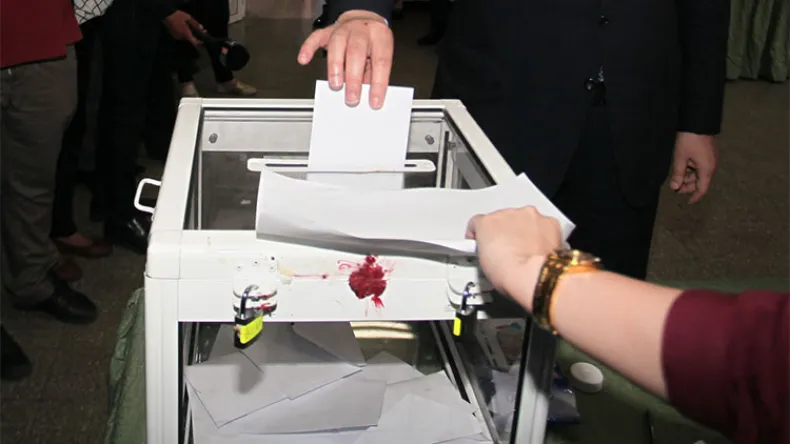
Former French ambassador to Algiers Xavier Driencourt recently published an article in the right-wing newspaper Le Journal du Dimanche, alleging Algerian interference in French presidential elections. Driencourt's article, released at the end of last week, claims this involvement dates back to the 1980s. The former diplomat asserted that Algeria routinely attempts to influence electoral outcomes in France, a significant accusation that has drawn attention to historical diplomatic relations between the two nations. These claims introduce a new dimension to discussions surrounding foreign influence in democratic processes, particularly given the sensitive nature of Franco-Algerian relations.
Driencourt's latest article in Le Journal du Dimanche specifically focuses on the depth and duration of alleged Algerian involvement in French political life. He contends that this interference is not an isolated phenomenon but rather a consistent strategy employed by Algiers over several decades. The former ambassador suggests that such actions are designed to secure political outcomes favorable to Algerian interests, regardless of the ideological leanings of the French candidates involved. This perspective challenges conventional understandings of diplomatic engagement and raises questions about the integrity of electoral processes.
Historical Election Allegations
Xavier Driencourt argued that Algeria supported Socialist candidate François Mitterrand during the 1981 presidential race against Valéry Giscard d’Estaing. This claim notes a specific instance where Algeria allegedly sought to influence the outcome of a key French election. Giscard d’Estaing's presidency had seen tens of thousands of Algerian immigrants abandon their residency permits and return to Algeria, a development that Driencourt implies may have shaped Algerian preferences in the election. Driencourt claims Algerian authorities' stances toward French presidential candidates have been driven by perceived alignment with Algerian interests, rather than ideology. He further claims Algeria supported former President Jacques Chirac after previously favoring Mitterrand, illustrating what Driencourt describes as a pragmatic, interest-driven approach to French politics by Algerian authorities.
The former ambassador's analysis extends to more recent political figures. Driencourt suggests former President Nicolas Sarkozy also enjoyed the admiration of Algerian authorities, despite a complex history between Sarkozy and Algeria. However, Sarkozy's relationship with Algeria was marked by deep tensions before he entered the Élysée Palace. As Minister of the Interior, Sarkozy drew criticism for his rhetoric toward suburban youth of North African and Algerian descent, which was perceived negatively in Algiers. Sarkozy is widely regarded in Algeria as the architect of France’s support for the Moroccan regime’s autonomy plan regarding Western Sahara, a position that has been a significant point of contention for Algeria. These historical details show the intricate and often fraught nature of high-level interactions between the two countries, even as Driencourt posits a consistent pattern of Algerian influence.
Driencourt's Political Stance
Since his retirement in 2020, Xavier Driencourt has emerged as a prominent voice within the French far-right regarding Franco-Algerian relations. His public commentary and analyses have frequently aligned with this political spectrum, making him a leading voice of the French far-right camp on Franco-Algerian affairs. This positioning frames his recent allegations within a broader political narrative that is often critical of Algeria and its relationship with France.
Driencourt is a regular advisor to right-wing political circles and contributes to media outlets, notably Le Figaro. Through these platforms, Driencourt has continued to engage in discussions on Algerian affairs and France's diplomatic posture towards Algiers, maintaining a visible presence in the political discourse surrounding the two nations. His consistent engagement with these issues, particularly since his retirement, indicates a deliberate effort to shape public opinion and policy discussions from a specific political viewpoint. His contributions are often characterized by a critical stance on Algerian policies and historical interactions with France.
Far-Right Electoral Strategy
Xavier Driencourt’s public interventions reveal a political agenda aligned with the French far right, which instrumentalizes Algeria and immigration issues for electoral purposes. Driencourt’s commentary, following his retirement in 2020, has increasingly resonated with this political strategy. His regular advisory role to right-wing circles and contributions to media outlets like Le Figaro position his claims within a broader effort to shape public discourse. This alignment suggests that his assertions about Algerian electoral influence are not merely historical observations but also serve a contemporary political function within France.
Such rhetoric risks reigniting tensions and reviving antagonisms that have long complicated relations between France and Algeria. The former ambassador’s statements contribute to an environment where historical grievances and diplomatic challenges are brought to the forefront, potentially exacerbating existing sensitivities between the two nations. This approach aligns with a pattern observed in French far-right political discourse, where issues related to Algeria and immigration frequently feature in electoral campaigns. The instrumentalization of these sensitive topics by political figures like Driencourt can have significant implications for bilateral relations, potentially hindering efforts towards reconciliation and cooperation. His claims, therefore, are not just about past events but also about the ongoing political landscape and the strategic use of historical narratives in contemporary French politics.