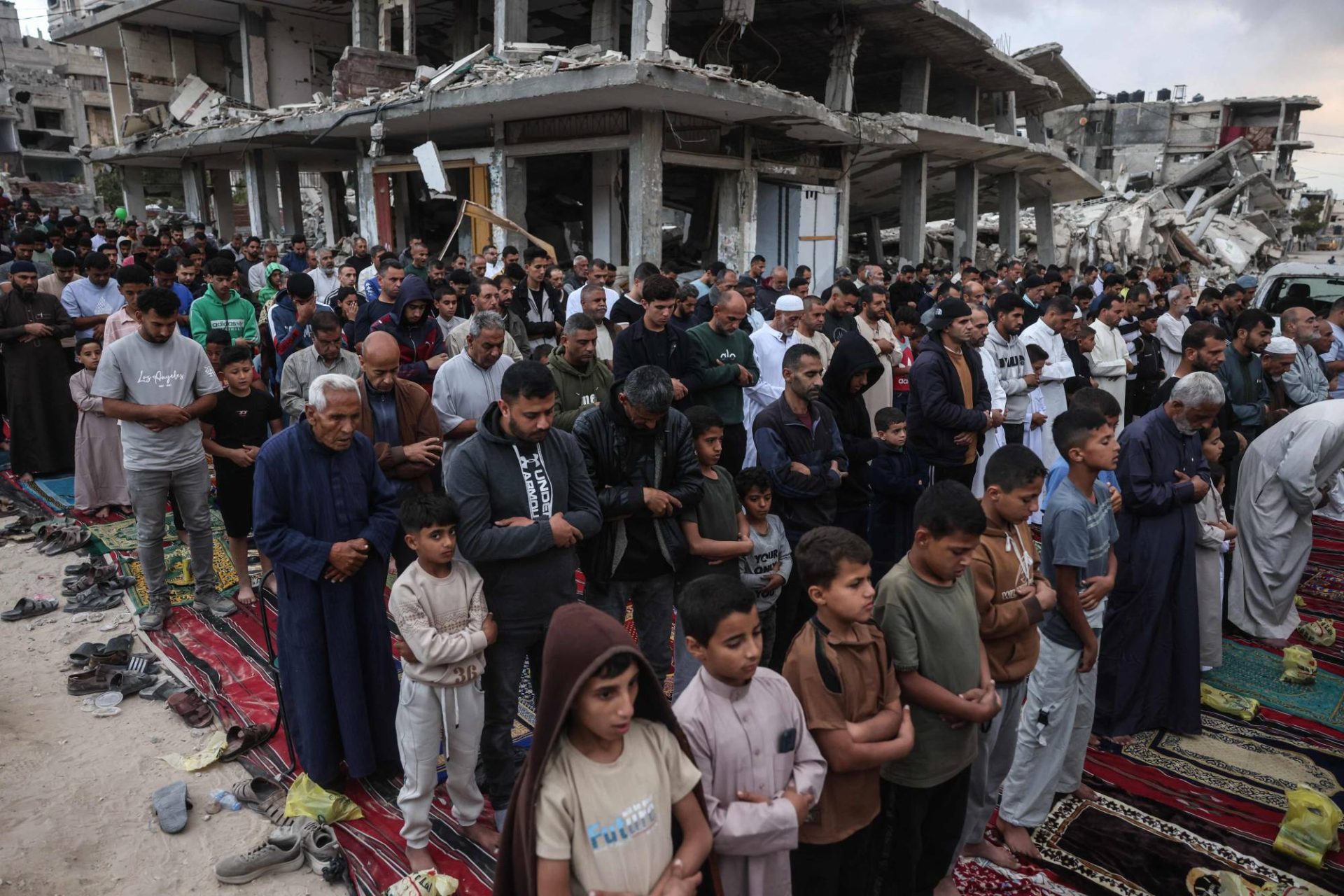
Palestinians observed morning prayers for Eid al-Adha on May 27, 2026, on a heavily damaged street in Khan Yunis, located in the southern Gaza Strip. These prayers marked the start of the holiday amidst a fragile US-sponsored truce that has largely halted fighting between Israeli forces and Hamas since October 10, 2024. The solemn occasion showed the profound challenges faced by the local population. The ongoing conflict has displaced approximately 1.7 million of Gaza's 2.2 million inhabitants, who now reside in makeshift displacement camps across the territory. This massive displacement has created unprecedented humanitarian needs, with families struggling to access basic necessities and maintain any semblance of normalcy during what is traditionally a joyous holiday. The sight of worshippers gathering amidst rubble served as a stark reminder of the persistent devastation.
Soaring Prices, Devastating Impact
The economic toll of the conflict is acutely felt, particularly in the soaring prices of essential goods. The price of a sheep, which cost approximately 1000 shekels before the war, now fluctuates dramatically between 11,000 and 15,000 shekels. This staggering increase represents a significant barrier for families hoping to observe the traditional sacrifice associated with Eid al-Adha. This price range is equivalent to between 3900 and 5300 dollars, a sum far beyond the reach of most Gazan households. The financial strain is immense, with one family reportedly paying 13,000 shekels, or about 5000 dollars, for a single sheep, noting the extreme cost. Witnesses in the region have also reported sheep prices reaching 4000 or 5000 dollars, corroborating the widespread financial burden. The significant increase in livestock costs reflects broader economic pressures that have crippled the local economy.
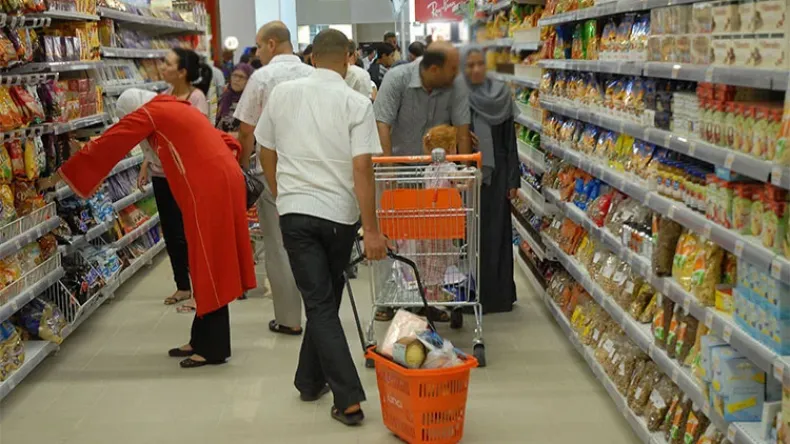
Beyond sacrificial animals, other essential goods have also seen drastic price hikes, impacting daily life for millions. An outfit consisting of a shirt and pants for a child now exceeds 100 dollars, making new clothes for children—a common Eid tradition—an unaffordable luxury for many. The cost of a pair of pants and a shirt for a young boy is equivalent to a family's entire food budget for one week, illustrating the severe trade-offs families are forced to make. These soaring prices are largely attributed to the ongoing conflict, which has severely disrupted supply chains and local production. The war has led to suspended importations, contributing to acute shortages of goods across the territory. Additionally, massive livestock deaths have reduced local supply, further driving up prices. The costs for animal feed and transport have multiplied due to damaged infrastructure and movement restrictions, exacerbating the economic crisis. More than half of the 365 square kilometers of the territory is currently under Israeli military control, further complicating economic activities and the movement of goods, including humanitarian aid and commercial supplies. This control has effectively isolated many communities and stifled economic recovery.
Mourning and Misery Prevail
Despite the US-sponsored truce, the human toll in the Gaza Strip continues to mount. At least 871 Palestinians have been killed since the start of the ceasefire, according to figures released by the Ministry of Health of Gaza. These fatalities show the fragility of the peace and the ongoing dangers faced by residents. The ongoing conflict has exacerbated an already dire humanitarian situation, leaving many families in mourning as they attempt to observe Eid al-Adha. The traditional festive atmosphere associated with the holiday has been overshadowed by widespread grief and hardship across the territory. Families who have lost loved ones find it nearly impossible to celebrate, instead focusing on remembrance and survival.
The continued loss of life contributes to the widespread sense of misery reported by residents. Communities across Gaza are struggling with the aftermath of sustained conflict, with destroyed infrastructure and displaced populations grappling with the daily realities of survival. The impact of these fatalities extends beyond immediate families, affecting the collective well-being of the entire community and deepening the psychological scars of war. The Ministry of Health of Gaza’s data shows the persistent challenges faced by the population, even during periods of reduced direct engagement. The ceasefire, intended to bring relief, has not entirely halted the tragic loss of life, deepening the sorrow for many celebrating a holiday traditionally marked by joy and communal gathering. The solemn observance of Eid al-Adha this year reflects the profound and ongoing suffering experienced by Palestinians in Gaza, a stark departure from the usual celebrations of feasting and family reunions.
Glimmers of Resilience and Despair
Eid al-Adha in Gaza this year has been marked by a complex mix of deep-seated despair and persistent glimmers of resilience among its inhabitants. Despite the overwhelming challenges, including widespread displacement and economic hardship, communities have made efforts to observe the holiday's traditions where possible. The severe impact of the conflict has, however, reshaped these observances significantly. Many families found themselves unable to afford traditional sacrificial animals or new clothes for children, customary elements of the festive period that are now out of reach for the vast majority. Instead, families are prioritizing basic needs such as food and shelter, making traditional celebrations an impossible luxury.
The ongoing struggles have led to a collective sense of sorrow, yet instances of mutual support and determination to uphold cultural practices have been reported across the Gaza Strip. Residents have adapted their celebrations, often focusing on communal solace and shared meals of whatever food is available, rather than material festivities. This adaptation notes the enduring spirit of the people in the face of sustained adversity, demonstrating a powerful commitment to their cultural identity even amidst overwhelming odds. The contrast between traditional expectations for Eid al-Adha and the current realities in Gaza shows the profound changes imposed by the conflict on every aspect of life. While despair is a widespread sentiment, the efforts to maintain any semblance of normalcy and community offer insights into the community's resolve and their unwavering hope for a better future, even as they navigate the present hardships.