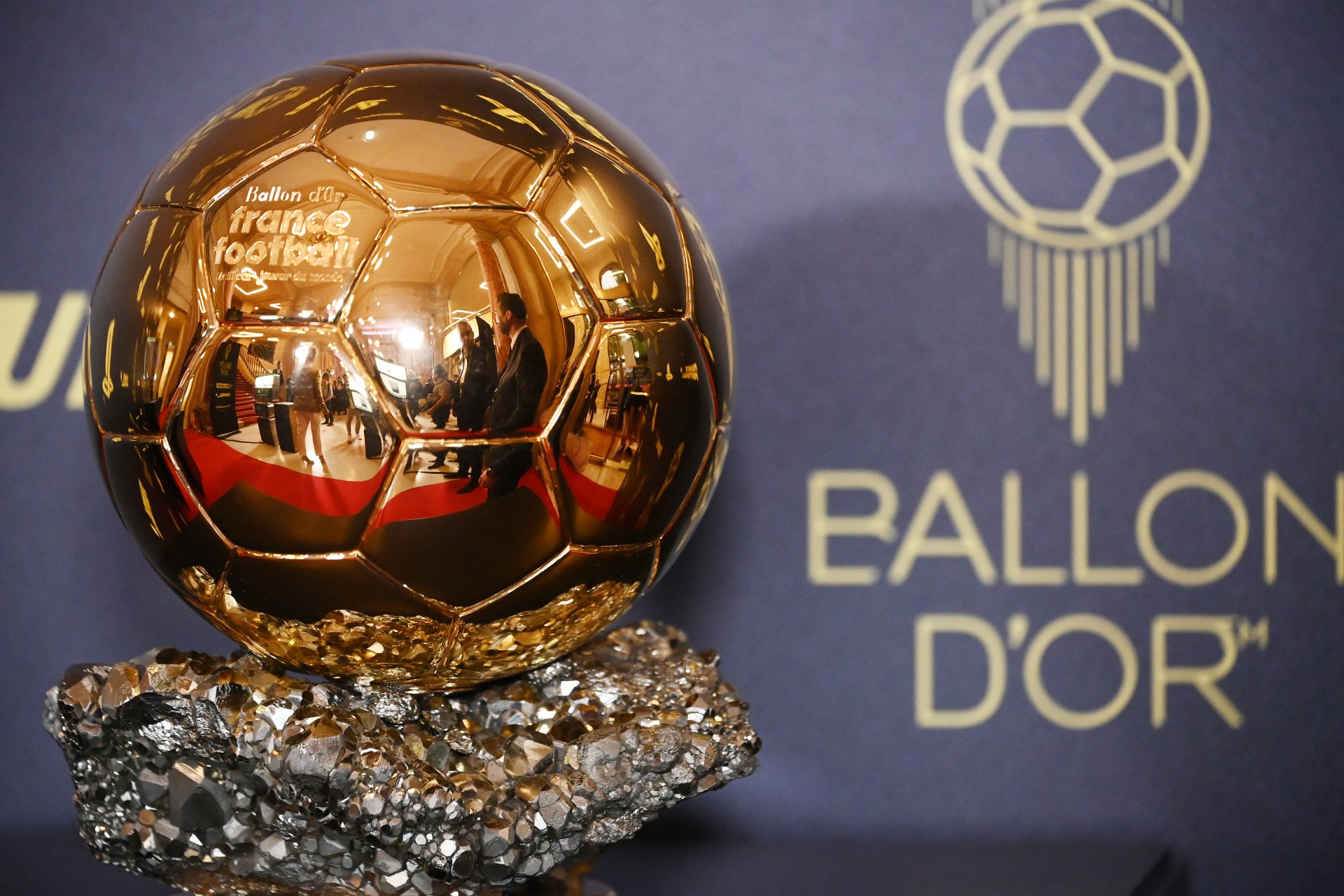
The Ballon d'Or ceremony will be held in London for the first time in 70 years, marking a significant change for the prestigious football award. This relocation represents a historic moment, as for the first time in seven decades, the Ballon d'Or ceremony will not be held in Paris. Paris had hosted the ceremony since its creation in 1956, with only rare exceptions to this tradition, making London's turn as host a notable departure from a long-standing tradition. The trophy, created by France Football magazine, was first won by Stanley Matthews, an iconic figure whose legacy is now being honored by this move.
Honoring a Pioneer
The decision to relocate the ceremony to London serves as an homage to Stanley Matthews, the inaugural winner of the Ballon d'Or. Matthews was first crowned in 1956, marking the beginning of the prestigious award's history. He is recognized as the first player to have won the trophy created by France Football magazine, setting the standard for future recipients. His pioneering achievement established the Ballon d'Or as a premier individual accolade in football. He remains the oldest player to receive the accolade, having been 41 years old at the time of his victory. This remarkable feat shows his enduring talent and longevity in the sport. This move acknowledges his pioneering achievement in the award's seven-decade history, bringing the ceremony to the home country of its very first champion. The choice of London as the host city directly links the present-day celebration of football excellence back to its foundational moments, emphasizing the rich history and tradition of the Ballon d'Or.
New Criteria and Past Winners
The upcoming ceremony will mark the 70th edition of the Ballon d'Or, a significant milestone for the annual football award. This diamond anniversary notes the award's continuous role in recognizing the world's best football talent over an extended period. For the first time in its history, the voting criteria will include performances from the 2026 World Cup, an unprecedented change that will broaden the scope of evaluation for players. This adjustment represents a notable change in how the prestigious award evaluates player achievements, potentially shifting the focus to major international tournament performances in a new way. This new criterion signifies a forward-looking approach by the organizers, ensuring the award remains relevant and reflective of contemporary football's biggest stages.
In the 2025 Ballon d'Or, Ousmane Dembélé was awarded the top prize, recognizing his outstanding contributions and performances throughout the preceding season. His victory placed him among the elite players to have claimed the coveted award. Lamine Yamal secured second place in the same year's voting, demonstrating his emergence as a top-tier talent and a strong contender for future accolades. Michael Olise, another prominent player, recorded an impressive 16 goals and 27 assists, demonstrating a strong offensive contribution that drew significant attention. These statistics highlight individual performances that are considered in the Ballon d'Or selection process, showcasing the multifaceted talents that lead to recognition at this level. The performances of these players exemplify the high standards and competitive nature of modern football, which the Ballon d'Or seeks to honor.
The Significance of the Move
London will host the Ballon d'Or ceremony on October 26th, marking a significant shift for the annual football awards. This event will draw considerable global attention as the football world anticipates the crowning of the sport's top male and female players. The event will reveal the successors to Ousmane Dembélé, who won the men's award, and Aitana Bonmatí, who received the women's award. Both new recipients will be announced on the same date in London, creating a unified celebration of individual excellence in football. This marks only the second time the ceremony has been held outside Paris since its inception, and the first time it has taken place in the British capital. The decision to bring the event to London notes the city's growing prominence in the international football landscape, cementing its status as a global hub for major sporting events. The ceremony is expected to draw global attention as the football world anticipates the crowning of the sport's top male and female players for their performances over the past year, further elevating the prestige and reach of the Ballon d'Or.