The article "Algérie-France : les coulisses d’une dérive politico-médiatique sous influence" examines the political and media landscape surrounding relations between Algeria and France. It notes the prominent role of radical right and far-right figures in shaping the public discourse. Bruno Retailleau, Éric Zemmour, and Jordan Bardella are central to this debate, influencing narratives within the media sphere. These individuals are key actors in the ongoing politico-media drift under scrutiny, contributing to a specific framing of issues that impacts public perception and political decisions. Their consistent presence and often provocative statements in various media outlets amplify their influence, making them significant voices in the national conversation concerning Franco-Algerian relations and broader societal issues.
Media Ownership and Editorial Control
Jean-Baptiste Rivoire states that Vincent Bolloré's media empire enforces a very radical, very right-wing editorial line. This assertion notes a concerning trend in media control within France, where the ideological stances of owners directly translate into the content and perspective presented to the public. Bolloré's significant holdings across various media platforms allow this specific editorial direction to permeate a substantial portion of the French media landscape, potentially limiting the diversity of views available to consumers. Bernard Arnault, identified as the richest man in France, is also noted for being paradoxically the most subsidized by public funds. His influence, combined with other industrial figures, further shapes the media landscape, creating a system where economic power can dictate editorial policy, often with public financial support. This concentration of power raises questions about the true independence of news reporting and the potential for a narrow range of viewpoints to dominate.
Between 90% and 95% of private media in France are controlled by five to six industrial oligarchs. This concentration of ownership raises fundamental questions about editorial independence and the diversity of perspectives available to the public. Such a high degree of control by a small number of powerful individuals can lead to a homogenization of news coverage and a suppression of critical voices, particularly those that might challenge the interests of these owners or their allies. The dominant role of these few powerful individuals in the media sector contributes significantly to the prevailing politico-media environment, where certain narratives are amplified while others are marginalized. This structure can directly influence public opinion and the national political agenda by shaping what issues are covered, how they are framed, and which voices are given platforms.
Scapegoating and Political Agendas
The article identifies a deterioration of living standards in France alongside a perceived diplomatic decline. These factors contribute to the broader context of the politico-media discussion, often leading to a search for external or internal scapegoats. The media's portrayal of these challenges can either foster constructive dialogue or exacerbate social divisions, depending on the narratives promoted. This environment can be exploited by political figures seeking to redirect public discontent.
Jean-Baptiste Rivoire has characterized the media coverage of the conflict in the Middle East since October 2023 as "scandalous." This assessment notes profound concerns regarding the impartiality, depth, and ethical standards of reporting on international events within the French media landscape. Rivoire's critique suggests a significant bias or a lack of critical analysis in how these complex geopolitical events are presented to the French public, potentially leading to a misinformed populace. The perceived decline in living standards and diplomatic standing, combined with Rivoire's critique of conflict coverage, points to a complex interplay of domestic and international issues shaping public discourse in France. The media's role in presenting these narratives is central to understanding the current political climate, as it can either reflect or actively construct the public's understanding of these multifaceted problems.
Public Trust and Independent Media
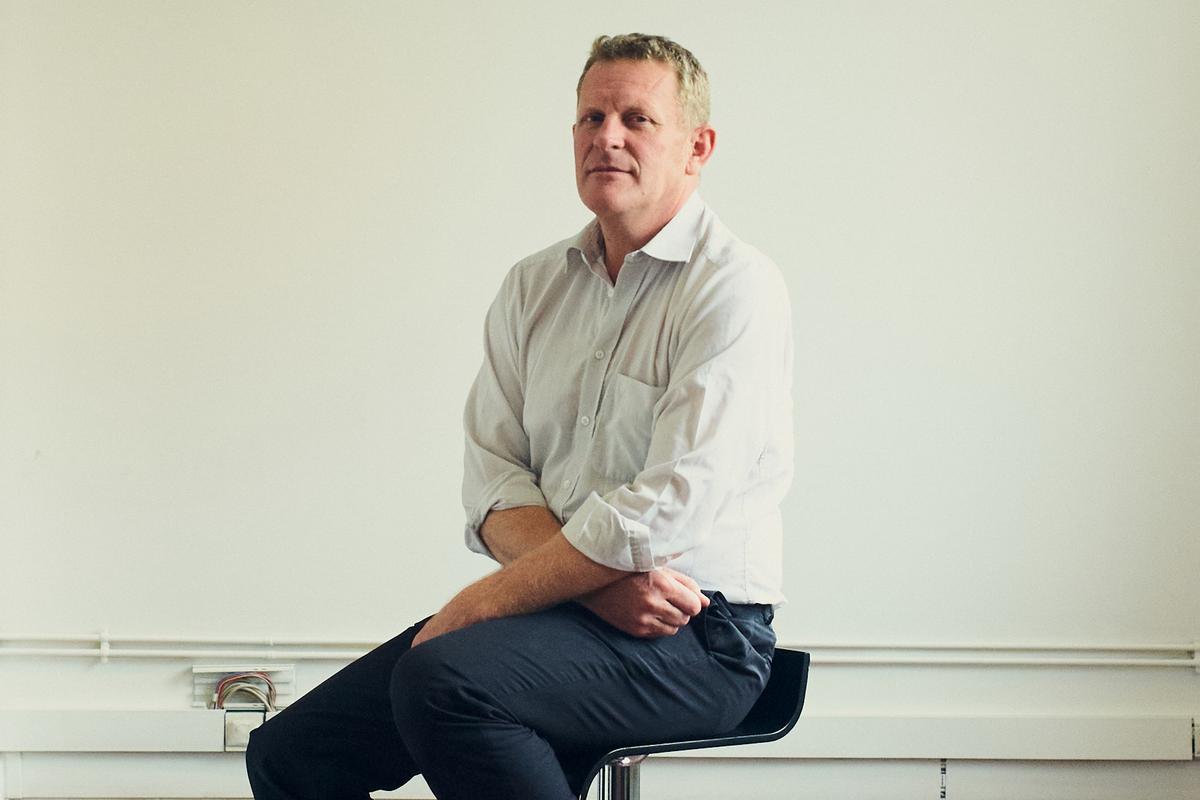
Jean-Baptiste Rivoire, a French investigative journalist and founder of the independent media Off-Investigation, was interviewed regarding the state of media. He stated, "C’est comme s’il y avait vraiment deux sortes de citoyens : ceux qui ont le droit de commettre un génocide et ceux qui ont le droit de se faire génocider comme des animaux." This stark observation notes profound concerns about perceived media biases, particularly in the reporting of international conflicts and human rights issues. It suggests a deeply unsettling double standard in how different populations are portrayed and how their suffering is acknowledged or ignored by mainstream media outlets. Public trust in media has significantly eroded, with polls indicating that 65% to 70% of French people no longer believe journalists. This substantial decline in credibility reflects a growing skepticism among the populace regarding the objectivity and truthfulness of news reporting.
This erosion of trust is further compounded by concerning practices within the industry itself. Nearly 500 French journalists have signed ultra-strict confidentiality clauses, described as "lifelong laws of silence," to avoid lawsuits after leaving their positions. These clauses effectively muzzle former employees, preventing them from speaking out about internal practices or editorial pressures, thus further obscuring transparency and accountability within media organizations. To counteract these trends and foster independent reporting, the article suggests that citizens can finance platforms such as Mediapart, Off-Investigation, or Blast, aiming to liberate information. These independent investigative platforms offer an alternative model, relying on reader support rather than corporate or state funding, thereby theoretically ensuring greater editorial freedom and a commitment to unbiased reporting. This approach empowers citizens to directly support journalism that aims to provide diverse perspectives and hold power accountable.
The Path to 2027
A strategy of diversion is accelerating as the 2027 presidential election approaches, according to analyses. This approach suggests a deliberate effort by certain political actors and media outlets to redirect public attention away from critical societal issues and towards more polarizing or superficial topics ahead of the upcoming political contest. Such tactics often involve the amplification of specific narratives or the creation of manufactured controversies, designed to influence voter sentiment and shape the electoral landscape. This strategic maneuvering aims to control the national agenda and public discourse in the run-up to the key election.