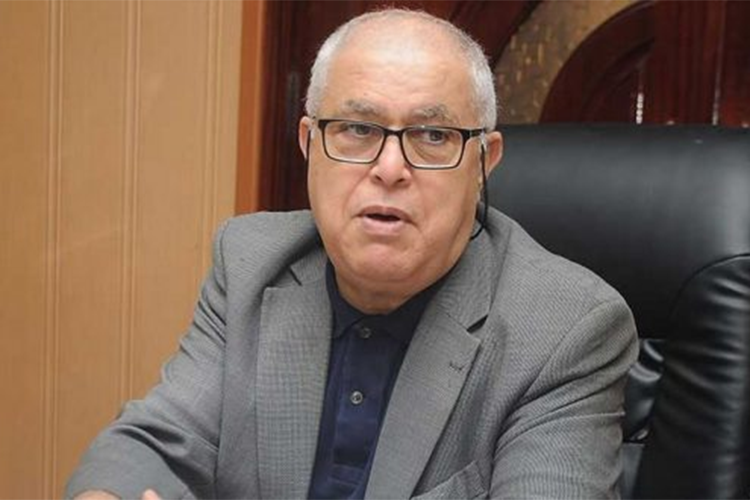
Former Algerian Minister of Energy and former Sonatrach CEO Abdelmadjid Attar stated that Algeria’s model could guide Africa toward enhanced energy, water, and food sovereignty. Attar observed a profound contradiction in Africa, noting the continent's extensive natural resources coexist with significant import dependence. He noted that this paradox presents a critical challenge for African nations striving for self-reliance and economic independence. Attar concluded that Algeria's experience demonstrates sovereignty as a strategic endeavor, rooted in effective resource management, strong investment in infrastructure, continuous technological advancement, and strong institutional reinforcement. This full approach, he suggests, offers a valuable framework for other African countries aiming to harness their own natural wealth for national development and security.
Historical Foundation of Control
Algeria's post-independence development strategy centered on reclaiming national control over its natural resources. This approach began decisively with the nationalization of mining assets in 1966, a move that signaled the new nation's determination to control its economic destiny. This process continued with the nationalization of hydrocarbons in 1971, marking a significant step in the newly independent nation's assertion of economic autonomy. These actions established a framework for state-led management of key industries, aiming to align resource exploitation with national development goals. The Algerian government viewed direct control over these sectors as fundamental to building a sovereign economy and reducing reliance on former colonial powers. This strategic direction laid the groundwork for how Algeria would manage its resource wealth in the subsequent decades, emphasizing that ownership and operational control were critical for genuine independence. The nationalization efforts were not merely about transferring ownership but about establishing a long-term vision for resource utilization that prioritized national interests and sustainable growth. This historical precedent continues to inform Algeria's current resource management policies, reinforcing the principle that national resources are a strategic asset to be managed for the benefit of the entire population.
Energy and Water Infrastructure
Algeria maintains significant hydrocarbon reserves, positioning itself as a key player in global energy markets. The nation holds an estimated 12 billion barrels of proven oil reserves, providing a substantial foundation for its energy sector. Additionally, Algeria holds approximately 2.3 trillion cubic meters of natural gas reserves, showing its significant natural gas potential. Annual natural gas production surpasses 100 billion cubic meters, making Algeria a major producer and exporter. Annual oil production approaches one million barrels per day, contributing significantly to the national economy. The country has invested heavily in its energy infrastructure to support these production levels and facilitate export. This extensive infrastructure includes advanced liquefied natural gas (LNG) facilities, modern refineries for domestic processing, and a network of export pipelines directed toward Europe, ensuring reliable delivery to key markets. These investments are key for maximizing the value of its hydrocarbon resources and maintaining its position as a reliable energy supplier.
Beyond hydrocarbons, Algeria is also developing its water resources with a focus on ensuring water security for its growing population and agricultural needs. The country ranks among Africa’s leading desalination producers, a testament to its commitment to innovative water management solutions. Existing desalination facilities currently generate approximately 3.7 million cubic meters of desalinated water per day, playing a vital role in supplementing traditional water sources. Projections indicate that desalination production capacity is expected to reach 5.5 million cubic meters daily by 2030, further solidifying Algeria's leadership in this critical area. In renewable energy, Algeria has launched an ambitious program aimed at generating 15,200 megawatts of solar power by 2035, demonstrating a clear strategic shift towards sustainable energy sources. Algeria is actively developing green hydrogen production, with plans for its export to Europe, positioning itself at the forefront of the emerging green energy economy. These initiatives highlight a full strategy to diversify its energy mix and enhance resource resilience.
Diversification and Future Projects
Large-scale mining projects are currently under development in Algeria, focusing on iron ore, phosphates, zinc, and lead. These initiatives represent a strategic pivot towards diversifying the nation's resource portfolio beyond hydrocarbons, aiming to create a more resilient and multi-faceted economy. The projects aim to enhance Algeria's economic resilience by expanding its industrial base and creating new avenues for export and domestic consumption. Investment in these sectors is part of a broader government strategy to leverage the country's mineral wealth for sustainable development and reduced reliance on oil and gas revenues. Developing these mining operations involves significant infrastructure development, including new extraction sites, processing facilities, and transportation networks, all designed to maximize efficiency and output. The government's push for diversified resource control aligns with its long-term vision of economic sovereignty and self-sufficiency, building upon the established framework of state-led resource management. These projects are anticipated to contribute significantly to job creation and technological advancement within the country's mining sector, fostering local expertise and industrial capacity. By expanding into these new resource areas, Algeria is not only securing its economic future but also demonstrating a practical application of the principles of sovereignty and strategic resource management that Abdelmadjid Attar championed.