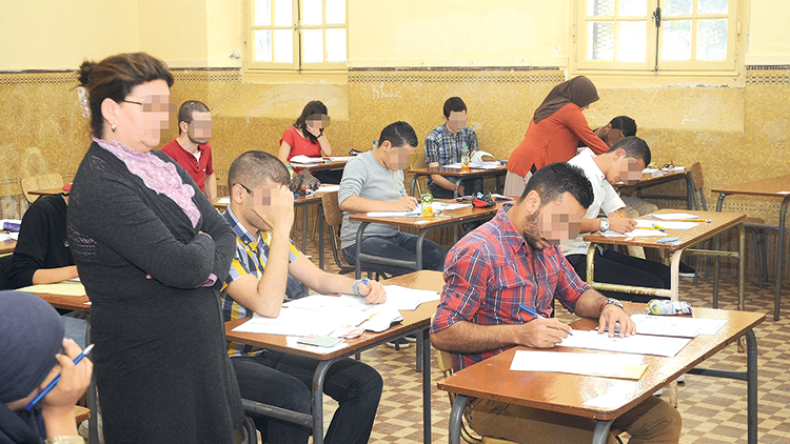
Algeria's Law 20-06, which amended the Penal Code to combat exam cheating and safeguard the educational system's integrity, was enacted six years ago. This significant piece of legislation marked a key moment in the nation's efforts to uphold academic honesty. The legislation aimed to deter academic fraud across national examinations, encompassing a wide range of educational assessments and competitions. Its introduction was a direct response to growing concerns over the prevalence of cheating and its potential to undermine the credibility of Algeria's educational qualifications. The overall assessment of Law 20-06 over the past six years is positive, with authorities stating it has achieved important goals. Its implementation has reportedly strengthened deterrence and protected the integrity of national exams, fostering a more equitable and trustworthy examination environment for all students. This six-year milestone provides an opportune moment to evaluate the law's impact, its framework, and the ongoing challenges it seeks to address within the Algerian educational landscape.
The Law's Framework and Reach
Algeria's Law 20-06 has established a clear and strict legal framework, criminalizing acts that compromise the integrity of national exams and competitions. This framework was meticulously designed to address various forms of academic fraud, ensuring that the sanctity of the examination process is maintained. The legislation classifies cheating in exams as "defined crimes" that impact national knowledge security and the credibility of the state. This reclassification shows the gravity with which the Algerian authorities view academic dishonesty, elevating it beyond a mere disciplinary infraction to a matter of national importance. The law's full scope means that it targets not only the individuals directly engaging in cheating but also those who facilitate it. This legal framework extends its reach beyond just students, criminalizing all parties involved in cheating, including supervisors, invigilators, and external networks that might attempt to profit from or aid in fraudulent activities. This broad application ensures that the entire ecosystem surrounding national examinations is held accountable, creating a strong deterrent against any form of complicity in cheating.
The law was enacted in response to specific challenges within the education sector, particularly addressing the increasing use of modern technology for cheating. Prior to its implementation, the proliferation of smartphones and other electronic devices had made it easier for individuals to disseminate exam materials or receive answers during examinations, posing a significant threat to the fairness of assessments. Law 20-06 directly confronts these technological advancements by imposing severe consequences on those who exploit them for illicit gains. Penalties for those found guilty of cheating can include imprisonment and significant financial fines, according to the stipulations of the law. These stringent penalties are intended to serve as a powerful deterrent, making the risks associated with cheating far outweigh any perceived benefits. The severity of these punishments reflects the state's commitment to eradicating academic fraud and reinforcing the value of genuine academic achievement. The establishment of this clear and strict legal framework has been instrumental in strengthening the hand of judicial and security authorities, providing them with the necessary tools to intervene rapidly and effectively against academic fraud.
Impact on Exam Integrity
The law's deterrent nature and strict penalties, including imprisonment, have profoundly reduced the prevalence of cheating in national examinations. This legislative impact has led to the near-complete elimination of exam paper leaks before or during exams. This achievement is particularly noteworthy given the historical challenges faced in preventing such leaks, which previously undermined public trust in the examination system. The proactive stance taken by security agencies has been critical in this success. These agencies have implemented strong measures to track and apprehend individuals promoting exam questions on social media platforms, effectively closing major avenues for electronic cheating. This targeted approach has dismantled networks that once facilitated widespread fraud, ensuring that exam content remains secure until the designated examination time.
The improvement in exam security is attributed to a combination of legal deterrence, organizational, technical, and educational measures. These integrated efforts reinforce the law's objective to safeguard the integrity of the examination process. Organizationally, there has been a tightening of protocols around exam material handling and distribution. Technically, advanced surveillance and monitoring tools have been deployed to detect and prevent cheating. Educationally, there has been a concerted effort to raise awareness among all stakeholders. Consequently, candidates and their parents are now more aware of the seriousness of cheating and its potential legal consequences. This heightened awareness contributes to a more secure and credible examination environment across Algeria. The shift in public perception, fueled by the law's strict enforcement and visible successes, has played a key role in fostering a culture of integrity. There has been a noticeable decline in widespread leaks that previously caused public concern, a testament to the law's effectiveness in addressing one of the most damaging forms of academic fraud. The full nature of these measures, from legislative backing to practical implementation, has collectively elevated the standard of integrity in national examinations.
Expert and Stakeholder Perspectives
After six years of implementation, stakeholders in the educational field largely agree that Law 20-06 has not entirely eradicated cheating but has drastically reduced its more serious forms, such as widespread leaks. While isolated incidents of cheating may still occur, the systemic and organized forms of fraud that once plagued the system have been largely dismantled. A noticeable decline has been observed in the widespread leaks that previously caused public concern, according to reports. This reduction in large-scale breaches has restored a significant degree of public confidence in the fairness and reliability of national examinations. The law has provided judicial and security authorities with the necessary legal means for rapid and effective intervention against academic fraud. This legal empowerment has allowed for swifter investigations, prosecutions, and the imposition of penalties, thereby reinforcing the deterrent effect.
These measures include enhanced security at exam centers, which now feature more rigorous checks and surveillance to prevent prohibited items, particularly electronic devices, from entering examination halls. Intensified inspection and monitoring during the exams themselves ensure that any attempts at cheating are quickly identified and addressed. The strategic use of technical means to limit the use of modern communication devices during examinations has been key. This includes the deployment of signal jammers in some locations and strict prohibitions on personal electronic gadgets. Despite the successes, continued vigilance is suggested to maintain the integrity of national exams. This ongoing commitment is key because methods of academic fraud are constantly evolving, requiring an adaptive response from authorities. This includes updating anti-cheating mechanisms to address evolving methods of academic fraud, ensuring that the legal and technical frameworks remain strong against new threats. There is an emphasis on investing more in education on values and ethics. This approach aims to foster a culture of integrity among students and all participants in the examination process, promoting an intrinsic understanding of the importance of honesty and fair play, rather than relying solely on external deterrence. This holistic strategy, combining legal enforcement with ethical education, is seen as the most sustainable path to ensuring the long-term integrity of Algeria's educational system.