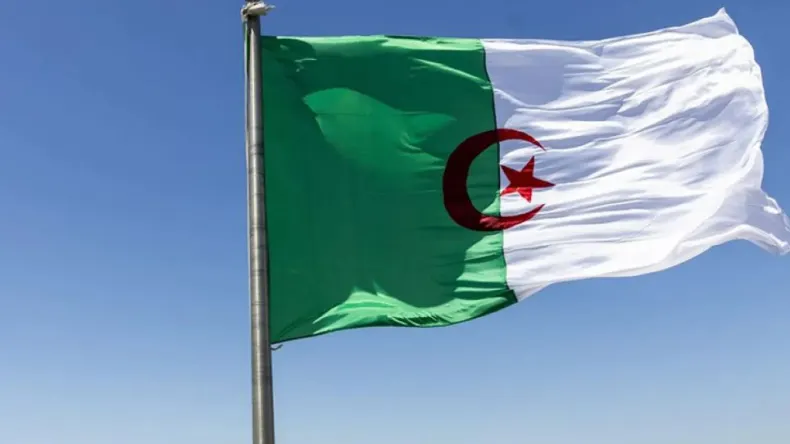
Algeria has been honored with the presidency of the African Parliament, a significant development that positions the North African nation at the forefront of continental legislative affairs. This appointment shows Algeria's growing influence and key role in shaping pan-African policies and fostering regional cooperation. The presidency offers Algeria a strong platform to advance its diplomatic agenda and contribute meaningfully to key discussions impacting African nations. This decision reflects the collective trust placed in Algeria's leadership and its consistent engagement within the African parliamentary framework, acknowledging its historical contributions and future potential.
Historical Roots and Enduring Principles
Algeria's policy towards its African region has remained notably consistent since the 1954 Liberation Revolution, according to an insightful article from Echorouk. The article articulates, "Algeria's policy towards its African region has not changed since the 1954 Liberation Revolution. Just as it was a haven for revolutionaries in the sixties and beyond, it is today a destination for the continent's leaders in defending its collective memory to achieve historical justice and equity, alongside planning for the future of its people in light of international competition for its natural resources and geopolitical space." This perspective strongly suggests a deep-seated continuity in Algeria's engagement with the continent, rooted in shared struggles and aspirations for self-determination and development. This historical stance continues to inform its contemporary foreign policy.
Algeria's full strategy for combating terrorism and ensuring regional stability centers significantly on promoting development as a foundational element. This multi-faceted approach also specifically seeks to prevent the exploitation of resources by the Israeli entity and guard against various forms of external interventions that could undermine regional sovereignty. The country's focus is firmly on addressing the root causes of instability through sustained economic progress and proactively safeguarding African assets from undue foreign influence. This prevention strategy is seen as key for maintaining long-term peace and prosperity across the continent, directly linking security to economic empowerment and resource control.
Demonstrated African Commitment and Economic Clout
Algeria holds a significant and influential position on the continent, recognized not only as the third economic power but also as the second military center in Africa. This substantial standing provides a strong foundation for its extensive engagement with other African nations and its leadership aspirations. President Tebboune further solidified Algeria's unwavering commitment to continental development by establishing the 'Algerian Agency for International Cooperation for Solidarity and Development'. In a clear demonstration of this commitment, he allocated a substantial one billion dollars to the agency to fund its diverse initiatives across the continent. This financial backing shows a practical and tangible investment in African progress.
The agency's activities are strategically concentrated on key sectors, specifically health, water, and education, aiming to address fundamental needs and improve living standards across Africa. Through these targeted efforts, Algeria seeks to enhance its collaborative ties with the continent, moving beyond diplomatic rhetoric to concrete action. A stated objective for Algeria is to foster strong trade relations with African partners on a "win-win" basis, emphasizing mutual benefit and equitable terms in commercial exchanges. This approach shows Algeria's broader strategy of contributing to stability and progress through practical cooperation and economic partnership across Africa, promoting self-reliance and shared prosperity. These initiatives are designed to build lasting relationships and foster sustainable growth within the African community.
Broader Diplomatic and Moral Weight
Algeria has established itself as a center of civilizational influence, particularly since the national liberation wars across Africa. This historical role, born from its own struggle for independence and subsequent support for other liberation movements, has profoundly shaped its current diplomatic posture and its engagement with continental affairs. The nation's long-standing support for these movements and its consistent advocacy for self-determination have significantly contributed to its perceived moral authority within the African Union and other pan-African bodies. This historical trajectory underpins Algeria's approach to contemporary challenges, including regional stability and economic development, which it often frames within a broader context of resisting external interference and promoting African agency. The country's presidency of the African Parliament is viewed by many as a recognition of this enduring influence and its unwavering commitment to the continent's collective memory and future aspirations. Its diplomatic efforts frequently emphasize shared history, mutual support, and a unified vision among African nations, reinforcing a sense of continental solidarity.