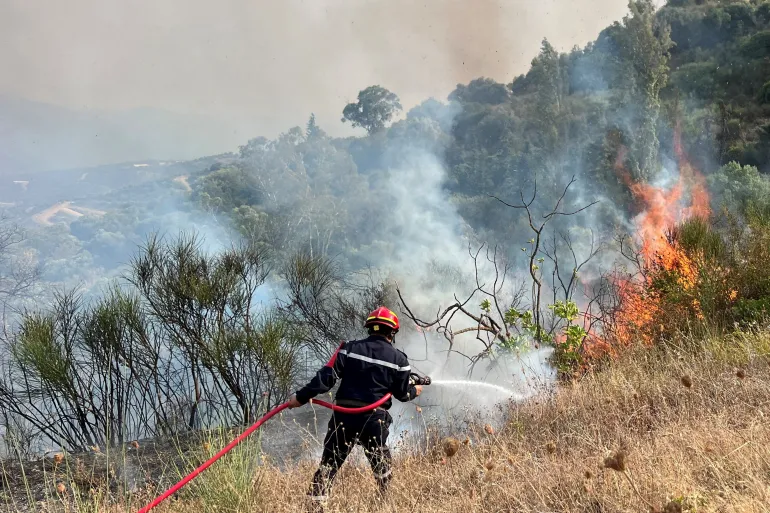
Wildfires have claimed the lives of at least 12 people and injured 54 others in northeastern Algeria, amidst a severe heatwave that is sweeping across the country and neighboring Tunisia. The blazes ravaged parts of the region, leading to fatalities across multiple provinces. The deaths occurred in the provinces of Jijel, Bejaia, and Tizi Ouzou. Algerian authorities are working diligently to contain the fires and address the humanitarian impact in the affected areas, deploying significant resources to combat the rapidly spreading infernos. The extreme temperatures associated with the heatwave have significantly intensified the challenges faced by emergency services, contributing to the rapid ignition and spread of these destructive wildfires across the northeastern regions of Algeria.
Devastating Toll and Impact
The fires have resulted in significant casualties, with at least 12 people confirmed dead and 54 others injured. Among the injured, six individuals are currently in critical condition. Minister of Interior Said Sayoud confirmed the geographical distribution of fatalities, providing a precise breakdown of the tragic losses. He stated, "Five deaths were recorded in the prefecture of Jijel, four in that of Bejaia and three in that of Tizi Ouzou." Specifically, five deaths were reported in the prefecture of Jijel, a coastal province particularly hard-hit by the blazes. Four deaths were recorded in the prefecture of Bejaia, another province grappling with extensive fire activity. In the prefecture of Tizi Ouzou, three deaths were recorded, adding to the grim toll.
Medical facilities have been significantly impacted by the disaster. A total of 54 burn cases were reported at a hospital in Souk El Thenine, Bejaia, showing the severity of the injuries sustained by residents and emergency personnel. This figure includes the six people who remain in critical condition, receiving intensive medical care. The humanitarian crisis extends beyond immediate injuries; the severity of the blazes has also necessitated widespread evacuations. Dozens of families had been evacuated from areas directly affected by the fires, noting the immediate and severe threat to communities and the urgent need for safe refuge. The ongoing heatwave has exacerbated the conditions, creating an environment conducive to the rapid spread and intensity of the wildfires across the northeastern regions of Algeria, making containment efforts exceptionally challenging.
Widespread Fires and Heat
Civil Protection teams recorded a staggering 154 fire outbreaks across Algeria on Wednesday, illustrating the widespread nature of the crisis. The northeastern region experienced a significant portion of these incidents, bearing the brunt of the fire activity. Specifically, 36 fire outbreaks occurred in Bejaia province alone, indicating a concentrated area of intense fire activity. Of the fires in Bejaia province, authorities reported that 18 had been brought under control, a testament to the tireless efforts of firefighters and emergency services. Separately, fires were actively burning in 12 municipalities within Jijel province, indicating widespread impact across multiple localities within the affected areas.
The numerous outbreaks coincide with a severe heatwave gripping the country, with temperatures soaring to extreme levels. This prolonged period of high temperatures, coupled with dry conditions, has created an exceptionally volatile environment, exacerbating conditions for containment efforts and increasing the risk of new ignitions. The intense heat acts as a catalyst, drying out vegetation and making it highly susceptible to catching fire and spreading rapidly. Authorities continue to deploy substantial resources, including firefighters, civil protection units, and aerial support, to manage the ongoing blazes and protect communities from further damage and loss. The coordination between various emergency services remains key in mitigating the impact of this widespread natural disaster.
Official Statements and Response
A severe heatwave is currently sweeping across Algeria and neighboring Tunisia, intensifying the challenges faced by emergency services and contributing to the catastrophic scale of the wildfires. The extreme temperatures have played a critical role in the rapid ignition and spread of wildfires across the region, making it difficult for ground crews to gain control. The current fatalities, totaling at least 12 lives lost, add to a grim tally, as at least six people were killed last month alone due to similar incidents across the country. This recurring pattern shows the increasing vulnerability of the region to climate-related disasters. Authorities are deploying all available resources to combat the blazes and mitigate the impact on affected communities, including mobilizing civil protection units, forestry department personnel, and local volunteers. Efforts are also focused on providing aid and support to the displaced families and those injured, ensuring they receive necessary medical attention and temporary shelter. The government has pledged its full support to the affected provinces, promising assistance for recovery and rebuilding efforts once the immediate threat is contained.