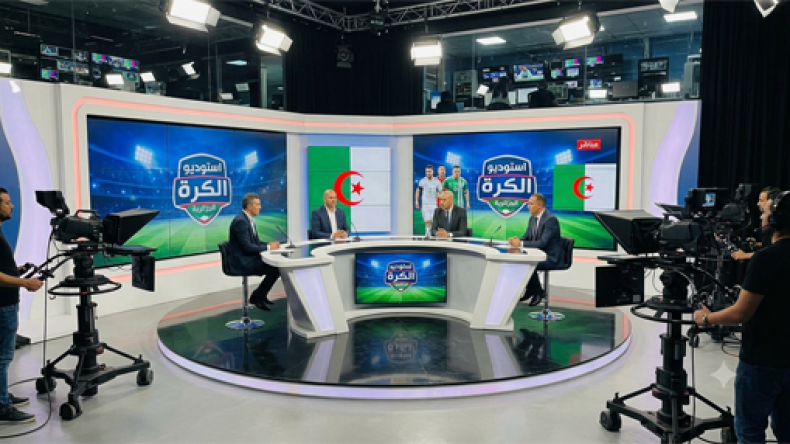
The perception that sports journalism is accessible to everyone has contributed to a proliferation of individuals discussing sports who may lack professional qualifications. This widespread belief, that many consider sports journalism accessible to everyone, has directly led to unqualified individuals discussing sports, impacting the overall standard of reporting and analysis within the field. The issue notes concerns regarding the expertise of some commentators, raising questions about the depth and accuracy of their contributions to sports discourse. This accessibility, while seemingly democratic, has inadvertently lowered the bar for entry, allowing individuals without formal training or a deep understanding of journalistic ethics to shape public opinion on sports matters. The resulting environment often sees a dilution of professional standards, as the sheer volume of voices can overshadow those committed to rigorous, evidence-based reporting.
The Erosion of Objectivity
Journalists in the field frequently exhibit subjectivity, operating as supporters of their respective clubs through media platforms instead of maintaining the role of impartial reporters. This trend, where many journalists have become subjective, acting as fans of their clubs through media rather than objective reporters, has led to observations that sports journalism often descends into broad statements and analyses that are perceived as inaccurate. Indeed, sports journalism often devolves into generalities and analyses that are "off the mark," lacking the precision and factual grounding expected from professional reporting. The shift indicates a departure from traditional journalistic standards, where neutrality and factual reporting are prioritized. This approach can influence public perception and the overall credibility of sports reporting, as audiences may struggle to discern factual information from partisan commentary. The emphasis on team affiliation over objective analysis marks a significant change in the practice of sports journalism within the region, raising questions about the true purpose and value of such coverage. This subjective stance can also foster a sense of distrust among readers and viewers, who seek unbiased information to form their own opinions.
Bias in National Team Coverage
Journalistic bias towards a specific team, often at the expense of objectivity and accurate information, has been observed to damage the credibility of sports journalism. This approach frequently extends to national team coverage, where journalists may favor certain players or coaches. Such preferences are often expressed without the provision of supporting data or clear criteria, further impacting the perceived impartiality of their reporting. Journalists often deal with the national team by favoring players or coaches without providing supporting data or criteria, which erodes the public's confidence in their analysis. This lack of objective justification for their opinions can lead to accusations of favoritism or personal agendas influencing coverage, rather than merit-based assessments. The implications of such bias are broad, potentially affecting team morale, public perception of athletes, and even the strategic decisions made within national sports organizations.
Prioritizing Personal Agendas
Individuals working in sports journalism frequently prioritize personal interests and individual opinions over the general interest of sports. Many working in sports journalism prioritize personal interests and individual opinions over the general interest of sports, thereby shifting the focus away from collective sporting achievements and broader developmental goals. This approach suggests a departure from traditional journalistic ethics, where the focus is typically on objective reporting and broader public good. The emphasis on personal agendas within the field indicates a shift in how information is disseminated and interpreted, often leading to content that serves individual viewpoints rather than a full analysis of events. This trend can influence public perception, as sports coverage may reflect individual viewpoints rather than a full analysis of events. Such a focus on personal interests rather than collective sports concerns shapes the narrative presented to audiences, potentially distorting the true state of affairs within Algerian sports. This prioritization can manifest in various ways, from promoting specific athletes or coaches based on personal connections to pushing narratives that align with individual biases, rather than those that genuinely serve the sport's development.
A Call for Unity
Observers note it is necessary today to unite in service of football and sports in Algeria. This perspective suggests a need for collective effort and a unified approach within the Algerian sports community, focusing on the broader development and success of the sector. The challenges posed by subjective reporting, fan-like commentary, and the prioritization of personal agendas show the urgency of this call. A unified front, grounded in professional ethics and a commitment to objective reporting, is seen as key for elevating the standard of sports journalism and, by extension, the overall health of Algerian sports. This unity would aim to re-establish credibility and trust, ensuring that sports coverage genuinely reflects and supports the athletic endeavors of the nation.