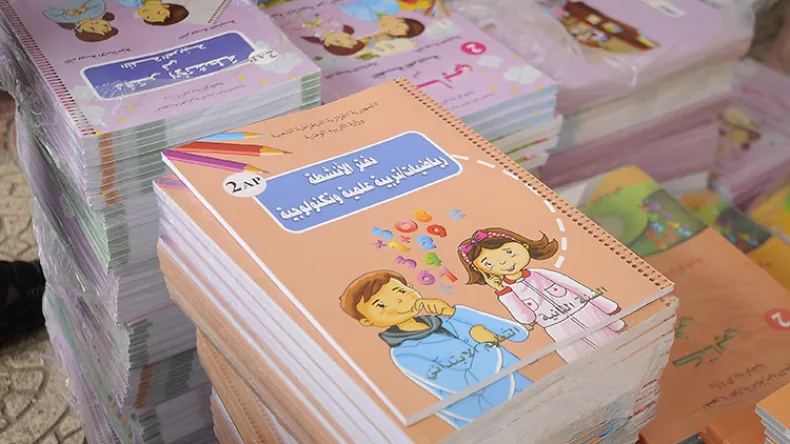
Algeria's school system is integrating contemporary national figures and projects into its curriculum, aiming to connect students with the nation's achievements and major milestones. This strategic initiative tasks educational institutions with providing living examples of success and excellence, directly linking classroom learning to the country's progress and significant historical moments. This approach seeks to strengthen national identity among students by noting figures and developments relevant to modern Algeria, fostering a deeper connection to their homeland. Improvements in school programs and curricula reflect a clear direction towards an educational system more deeply connected to national identity, modern Algerian history, and key figures who have shaped the nation.
Inspiring National Role Models
The curriculum now prominently features contemporary national figures, such as the late former President Lamine Zeroual, renowned scientist and researcher Belkacem Haba, and global football star Riyad Mahrez. The inclusion of these names in textbooks and educational materials aims to convey an important educational message: Algeria is rich in competencies and energies capable of achieving excellence in politics, science, technology, sports, and various other fields. This curated selection of individuals serves to illustrate the diverse capabilities and potential within the nation. The new curricula are specifically intended to strengthen the culture of national role models, shifting the focus from relying predominantly on foreign examples to noting prominent Algerian figures who have made significant contributions. Advocates for this approach emphasize the importance of presenting not just the names and achievements of these individuals, but also their compelling success stories, the challenges they encountered on their paths, and the valuable lessons and values derived from their experiences. By delving into these narratives, students are encouraged to draw inspiration from within their own national context.
Connecting Education to National Ambitions
Algeria's evolving educational strategy also incorporates major national projects into the curriculum, providing tangible examples of the country's development. The Gara Djebilet mine project is noted as a significant example, illustrating the country's substantial mineral wealth and its concerted efforts towards economic development and diversification. This project serves as a case study for understanding national resource management and industrial ambition. These figures and projects are intended to serve as educational gateways, fostering broader knowledge about Algeria's present and future, and developing a stronger sense of citizenship among students. The initiative seeks to enhance confidence in national capabilities by connecting classroom learning with tangible Algerian achievements and aspirations, thereby grounding theoretical knowledge in real-world national endeavors. The article suggests that by engaging with these concrete examples, students can build a more full understanding of their country's trajectory and their potential role within it.
Broader Educational Goals
Improvements in Algeria's school programs and curricula aim to foster an educational system more deeply connected to the nation's identity, its modern history, and key national figures. This strategic direction seeks to align learning with contemporary Algerian realities and aspirations, ensuring that education is relevant and forward-looking. The development of these curricula is intended to be evaluated by their capacity to achieve a range of broader educational goals. These objectives include building a balanced personality among students, consolidating national identity, and fostering a sense of belonging and pride. The curricula are designed to develop critical thinking skills, foster initiative, and establish a clear, practical link between academic knowledge acquired in school and Algeria's future projects and challenges. This holistic approach ensures that students are not only academically proficient but also well-rounded, engaged citizens prepared to contribute to their nation's progress.