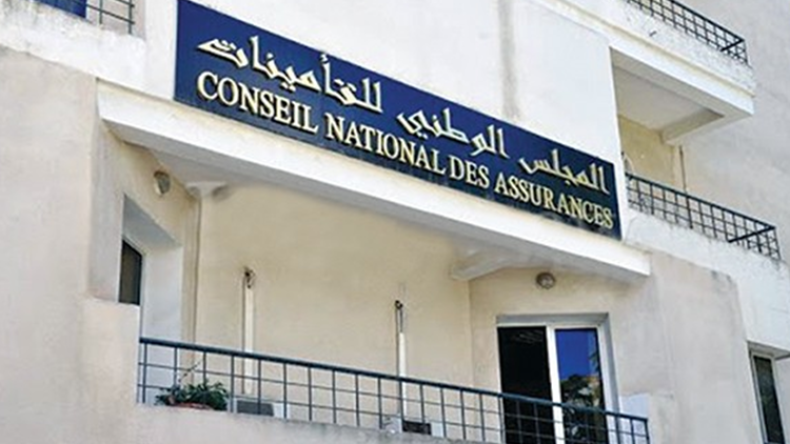
The National Insurance Council (المجلس الوطني للتأمينات) has issued a stringent directive, ordering Algerian insurance companies to expedite the processing of compensation claims and strictly reduce payment deadlines. This mandate comes amidst increasing complaints about significant delays in settling claims within the insurance sector. The directive follows a period where insurers are facing dual pressure, needing to accelerate claim settlements while simultaneously maintaining their financial balances. The Council's initiative aims to streamline operations within the sector as it undergoes key digital transformation initiatives, addressing both efficiency and public trust concerns.
Market Growth and Pending Claims
Algeria's insurance market has demonstrated strong expansion, exceeding 200 billion dinars and reaching precisely 200.5 billion dinars by the close of 2025. This impressive figure represents an 8.8 percent growth within the sector, noting a dynamic and expanding market. Despite this market expansion, the volume of reported claims and accidents has seen a significant increase, totaling over 1.26 million. Concurrently, the overall value of new declarations has experienced a decrease of 16.6 percent, indicating a shift in the nature or severity of new claims.
A substantial challenge for the industry remains the management of a considerable backlog, with approximately 1.6 million pending claims outstanding across various insurance companies. The collective value of these unresolved claims currently stands at nearly 131.2 billion dinars, representing a significant financial obligation and a source of concern for both insurers and policyholders. This backlog shows the urgent need for more efficient processing mechanisms.
Strategic Imperative for Trust
Delays in compensation directly affect public trust in Algeria's insurance sector, a critical issue noted by the National Insurance Council. The Council considers these delays a direct factor impacting consumer confidence and views timely claim processing as a strategic imperative for maintaining this trust among policyholders. To address this erosion of confidence and improve operational efficiency, digital platforms are being adopted within the industry. For instance, the 'E-recours' platform is now utilized for advanced data analysis. This technology aims to enhance the sector's capabilities in predicting disputes and streamlining operations, thereby proactively managing potential conflicts. The integration of such digital solutions is part of a broader effort to improve efficiency and responsiveness, reinforcing the public's perception of reliability and fairness in insurance services.
Digital Solutions for Efficiency
The increasing complaints about delays in settling claims within insurance companies are prompting the sector to implement new digital strategies with greater urgency. This significant shift includes moving towards remote expertise for damage assessment, a departure from traditional field inspections that often contribute to delays. The adoption of digital platforms is intended to streamline processes, reduce administrative burdens, and address the growing volume of outstanding claims more effectively.
The move to remote expertise is a key component of the digital transformation efforts within Algerian insurance. This innovative approach aims to accelerate the evaluation of damages by leveraging technology, thereby contributing to faster claims processing and significantly reduced settlement times. This method not only enhances efficiency but also offers greater flexibility in handling a large volume of claims. The National Insurance Council views these digital solutions as essential for improving overall efficiency and rebuilding public trust, which has been impacted by the existing delays in compensation. These technological advancements are expected to play a key role in modernizing the Algerian insurance landscape.
Council's Directive and Vision
In response to these challenges, insurance companies in Algeria are now actively integrating artificial intelligence (AI) and data science tools into their claim processing operations. This technological adoption is part of a broader push to modernize the sector and address inefficiencies that have led to significant backlogs and public dissatisfaction. The implementation of these advanced analytical methods is expected to streamline claim evaluations, accelerate decision-making, and ultimately contribute to a substantial reduction in payment deadlines. This strategic shift aligns directly with the National Insurance Council's directives for improved service delivery and enhanced policyholder satisfaction. By embracing these innovations, the Algerian insurance sector aims to foster a more responsive, transparent, and trustworthy environment for all stakeholders.