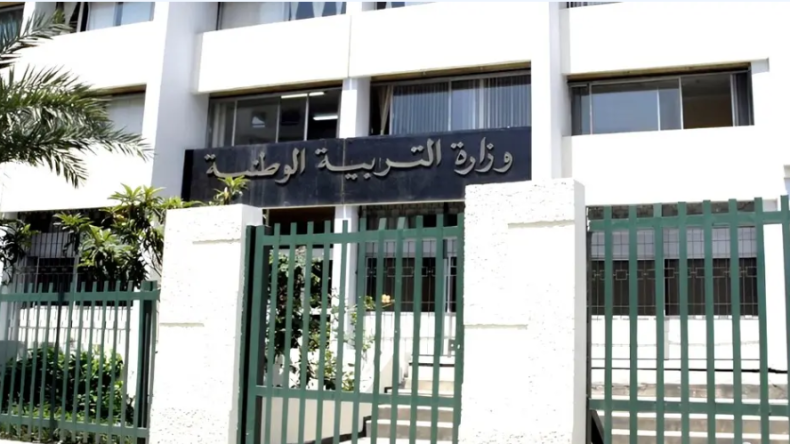
Algeria's national education sector is currently undergoing a significant period of reform and development, aimed at enhancing overall educational quality. This period is recognized as an important stage of reform and development for the national education sector in Algeria. Minister of National Education Mohamed El-Saghir Saâdawi is spearheading these efforts to improve the system and elevate the quality of education across the nation. However, the impact of these key reforms is reportedly hampered by the current operational status of the Regional Inspectorates for Education. These bodies are described as operating merely as 'inspection bodies,' lacking the executive authority to implement changes or enforce directives effectively within the educational system. The inability of these inspectorates to move beyond a purely observational role is seen as a significant impediment to the broader objectives of the educational reform agenda.
Mandate and Structure
The Regional Inspectorates for Education are considered important structures, capable of performing tasks such as training, accompaniment, and educational evaluation. These inspectorates were established by Executive Decree No. 20-286, dated October 10, 2020. The decree created ten regional inspectorates, with each body covering several wilayas, thereby ensuring a broad geographical reach across Algeria. According to the decree, each inspectorate is supervised by an inspector from the General Inspectorate of National Education, who is assisted by other inspectors to form a full oversight team. The decree further outlines specific field tasks related to inspection, monitoring, evaluation, and follow-up, clearly defining the scope of their responsibilities. The Regional Inspectorates for Education are also seen as instrumental in establishing regional educational governance across Algeria, aiming to decentralize certain aspects of educational oversight and bring decision-making closer to the ground. This framework was designed to enhance the effectiveness and responsiveness of the national education system.
Unrealized Potential
The anticipated role of the Regional Inspectorates for Education is intended to extend beyond routine monitoring and inspection to encompass continuous support and professional development. These inspectorates are envisioned as specialized platforms for full training, pedagogical guidance, monitoring, evaluation, and assessment within the education system. This expanded function is key for fostering a culture of continuous improvement among educators and administrators.
Their potential functions include organizing targeted regional training courses for educators and administrators, addressing specific needs and challenges identified within their respective wilayas. They could also coordinate pedagogical accompaniment, ensuring teachers receive ongoing support in their professional practice, which is vital for enhancing teaching methodologies and student outcomes. The inspectorates are expected to analyze evaluation results comprehensively, enabling them to diagnose systemic or localized difficulties within the educational framework. Based on these diagnoses, they would then propose evidence-based treatment plans to address identified challenges, moving beyond mere identification of problems to active problem-solving.
A significant aspect of their unrealized potential involves acting as a key link between the field and the central administration. This would entail transferring concerns from regional educational institutions to the central authority, supported by strong data, thorough analyses, and concrete, evidence-based recommendations for policy or operational adjustments. This flow of information and recommendations is essential for informed decision-making at the national level, ensuring that reforms are responsive to the actual needs and realities on the ground. The expected function of the Regional Inspectorates should therefore go beyond mere monitoring and inspection to include continuous accompaniment and training, making them dynamic agents of change rather than static observers.
Obstacles to Implementation
The successful implementation of educational reforms in Algeria depends significantly on the effective activation of the Regional Inspectorates for Education. These bodies are considered key for driving change within the system and ensuring that national educational policies translate into tangible improvements at the local level. The activation of these inspectorates is necessary for the success of educational reforms, as they are designed to be the operational arm of the reform process.
Despite their establishment in 2020, the provisions outlined for the Regional Inspectorates for Education have not yet been fully implemented on the ground. This delay in operationalizing their mandates has contributed significantly to the challenges faced by educational reforms, hindering their progress and impact. The inspectorates, intended to provide training, accompaniment, and evaluation, have not been able to fulfill their designated roles since their inception. This lack of practical application of their powers, which would allow them to function as specialized platforms for training, accompaniment, monitoring, evaluation, and assessment, hinders the overall progress of the reforms. The Regional Inspectorates for Education remain merely 'inspection bodies' without execution, preventing them from fully contributing to the important stage of reform and development that the national education sector in Algeria is currently undergoing.