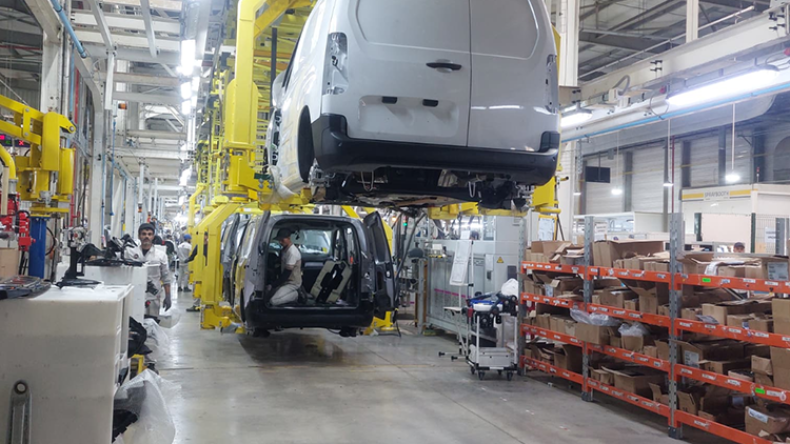
Fifty Algerian companies are prepared to supply spare parts and components to car factories operating within Algeria, a strategic move poised to significantly bolster the nation's automotive industry. This initiative, which sees 50 Algerian companies ready to supply car factories in Algeria with spare parts and vehicle components, is specifically aimed at strengthening the local automotive supply chain and supporting domestic manufacturing capabilities for the sector. The readiness of these companies shows a concerted effort to enhance local content integration within vehicle production.
Expanding Local Production Capacity
Between 30 and 50 major industrial enterprises are currently organized as direct suppliers to car factories operating in Algeria. This core group of industrial enterprises plays a key role, forming a foundational element within the national automotive supply chain. Beyond these larger entities, hundreds of small and medium-sized enterprises (SMEs) are undergoing inventory and qualification processes. This full effort aims to integrate these numerous smaller businesses into the national production chain, further broadening the base of local suppliers and fostering a more strong domestic manufacturing ecosystem. Across the country, the automotive sector currently includes over 2500 active subcontractors. This extensive network of local businesses indicates a significant existing capacity for manufacturing and supplying components to the automotive industry, which authorities are actively working to better organize and utilize for national economic benefit. The systematic inventory and qualification of SMEs are vital steps in ensuring a full and inclusive approach to local supply chain development.
Entering Export Markets
The Algerian automotive parts sector has initiated its export phase, marking a new and significant step in its development and international recognition. This expansion includes shipments of locally manufactured car batteries to Cameroon. Additionally, brake pads and suspension systems produced in Algeria have been successfully exported to both Libya and Senegal. This move signals the industry's growing capacity and ambition to reach international markets with its components, demonstrating a tangible progression beyond domestic supply. The successful entry into export markets notes the increasing quality and competitiveness of Algerian-made automotive parts on a regional and continental scale.
Strategic Investments and Future Outlook
Field visits are scheduled for June for foreign delegations and partners from Turkey, China, and South Korea. These delegations are set to inspect new production units across Algeria, showcasing the country's advancements in automotive component manufacturing. The planned visits indicate an ongoing effort to showcase the country's expanding manufacturing capabilities and attract further foreign direct investment in the automotive components sector. This initiative aligns with Algeria's broader strategy to enhance its industrial base and integrate its automotive parts supply chain more deeply with international partners, fostering technological exchange and market access. The new production units are expected to play a key role in increasing local content integration and potentially expanding export opportunities beyond current markets, solidifying Algeria's position in the global automotive supply chain.
Expert Views on Sector Growth
The initiative seeks to increase local integration rates and strengthen value chains within the vehicle manufacturing sector. This strategic focus aims to embed more domestic production into the assembly of vehicles in Algeria, reducing reliance on imported components and fostering economic self-sufficiency. Recent strategic investments illustrate this commitment to expanding local capabilities, indicating a proactive approach to industrial development. Among these, a new factory dedicated to producing plastic components has been established, contributing significantly to the diversification of the local supply base and addressing critical material needs. Another significant project includes an undertaking in Batna focused on mechanical casting and the production of iron parts, essential for various automotive applications. These investments are part of a broader effort to build a full and self-sufficient automotive parts industry in Algeria, supporting both current manufacturing needs and future growth trajectories for the sector.