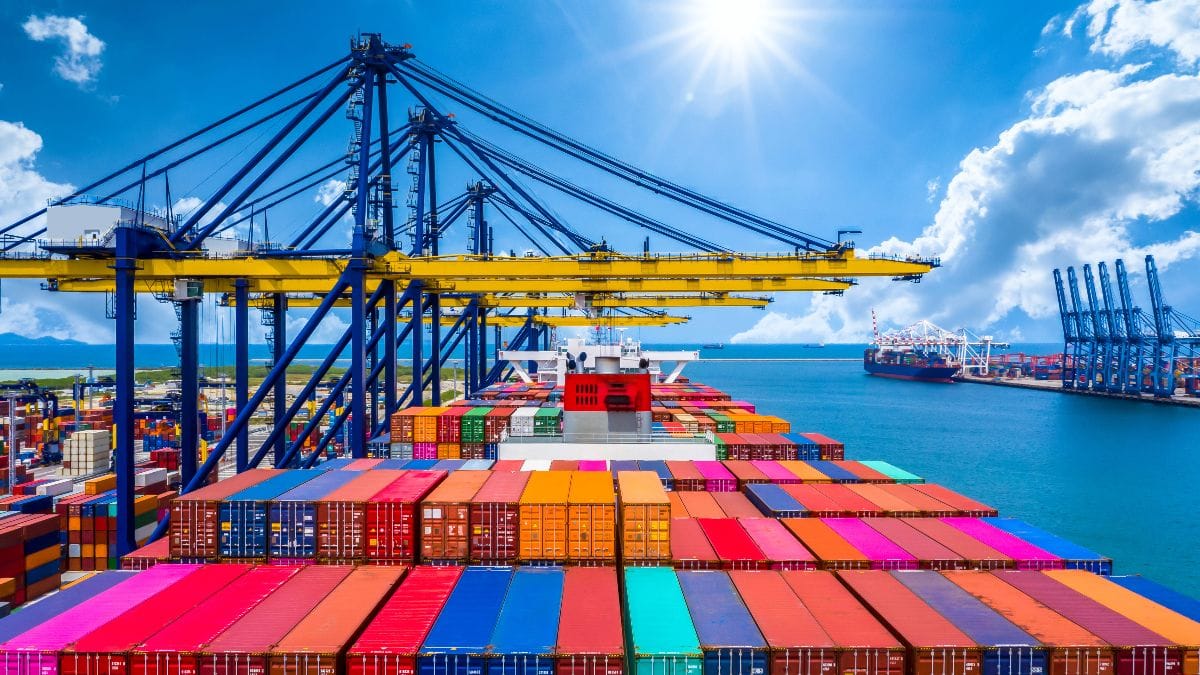
The Banque d’Algérie has implemented three significant measures over the past two months, tightening its control over imports in Algeria. In the space of two months, the Bank of Algeria has taken these three key measures to strengthen control over imports. These actions are designed to achieve a macroeconomic objective of preserving the nation's foreign exchange reserves. The central bank aims to reduce the volume of imports intended for direct resale. Additionally, the measures seek to redirect capital towards initiatives focused on import substitution and bolstering national production. This strategic shift is intended to strengthen the domestic economy and reduce reliance on foreign goods. The macroeconomic objective behind these actions is multifaceted: to preserve foreign exchange reserves, significantly reduce imports for resale as is, and reorient capital towards import substitution and strengthening national production.
New Banking Regulations Detailed
Over the past two months, the Banque d’Algérie has issued two instructions and one note, intensifying pressure on both commercial banks and importing companies, particularly small and medium-sized enterprises (PME). These requirements from the central bank assign a significantly stricter role to commercial banks in regulating imports, focusing on three primary areas. The requirements from the Bank of Algeria impose a much stricter role on commercial banks in regulating imports, with three main axes guiding their implementation.
Commercial banks are now mandated to verify companies' financial soundness before any import domiciliation. This verification process ensures that importing entities possess the necessary financial stability to undertake their operations. Importers' banking commitments are limited to their own funds, a measure designed to prevent over-leveraging and promote fiscal prudence. Any import intended for resale in its original state is subject to prior bank domiciliation before the foreign supplier can ship goods. This means that goods intended for resale as is must undergo this key banking approval process before any shipment by the foreign supplier. Banks must also implement strong risk management and internal monitoring systems to ensure that all import operations comply with established prudential rules. These systems are critical for maintaining financial stability and adherence to regulatory frameworks. To mitigate overexposure to risks associated with imports and fluctuations in foreign trade, banks' international commitments have been capped at 50% of their own capital. This cap is a direct measure to avoid overexposure to risks related to imports and foreign trade fluctuations, safeguarding the banking sector's stability.
Economic Goals and Motivations
The Banque d’Algérie is actively accelerating its control system for imports of goods specifically intended for resale in their original state. The Bank of Algeria is accelerating its control system for imports of goods intended for resale as is. This move is part of the central bank's broader strategy to safeguard the nation's foreign exchange reserves. The intensified oversight is designed to reduce the volume of imported products that are simply re-sold without significant domestic value addition. By channeling financial resources away from such imports, the Algerian authorities aim to encourage local production and stimulate investment in import-substitution industries. This policy shift is intended to foster greater economic independence and strengthen the domestic industrial base.
Potential Supply Chain Disruptions
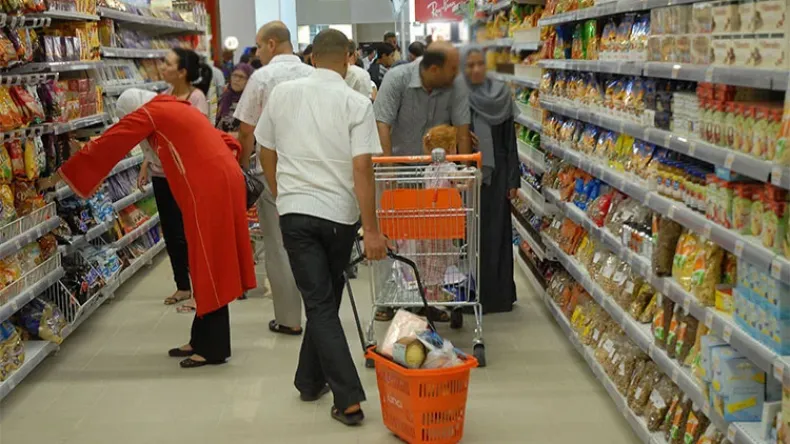
The Algerian economy continues to rely significantly on imports for a range of consumer goods, industrial inputs, and pharmaceutical products. The Algerian economy remains heavily dependent on imports for these essential categories. The new measures implemented by the Banque d’Algérie are expected to directly affect importing small and medium-sized enterprises (PME), potentially resulting in a loss of their competitiveness within the market. These measures will have a direct impact on importing SMEs, leading to a loss of competitiveness for these businesses. Officials acknowledge a tangible risk to the regularity of supplies. This concern is particularly acute given the current international situation, which is characterized by ongoing disruptions across global and regional value chains. There is a real risk to the regularity of supplies due to the current international situation marked by disruptions in global and regional value chains. The cumulative effect of these factors could pose challenges to the consistent availability of essential goods within Algeria.