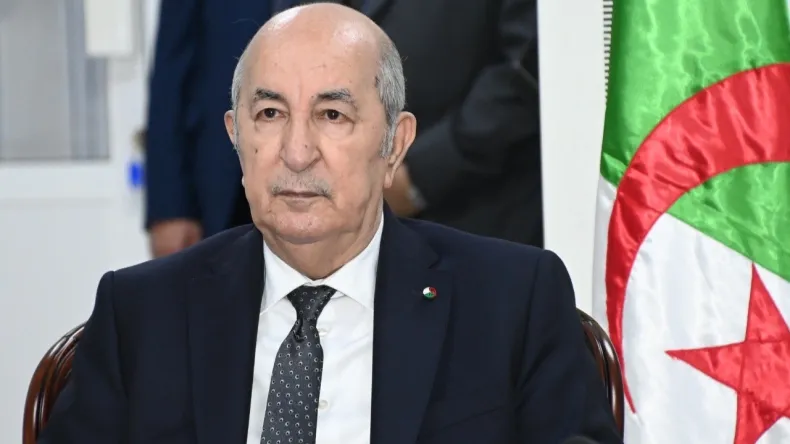
Minister of Finance Mohamed Lamine Lebbou presented the 2027 draft finance bill to the Parliamentary Finance and Budget Committee on Monday, 12 October 2026. This submission marks the formal introduction of the proposed fiscal strategy for Algeria. The Ministry of Finance outlined the document to lawmakers to begin the legislative review process for the upcoming budget cycle. During the session, members of the committee received the official projections and policy priorities contained within the draft.
Fiscal Framework and Projections
The 2027 draft finance bill sets the reference price for a barrel of crude oil at $60. Officials within the Ministry of Finance utilize this figure to calculate baseline revenues for the national budget. Alongside this reference price, the market price for a barrel of oil is estimated at $70 for the 2027 budget projections. These figures serve as the primary variables for determining expected energy sector income.
Financial planning for the upcoming cycle relies on a specific currency valuation. The 2027 budget draft uses an exchange rate of 131 Algerian Dinars per US Dollar. This conversion rate acts as the standard for all international trade transactions and debt obligations denominated in foreign currency. Regarding domestic economic stability, the government targets an inflation rate of 4 percent for 2027. Economic policy remains focused on maintaining this level throughout the fiscal year as the country manages its primary budgetary goals.
Revenue and Expenditure Targets
The Ministry of Finance projects total budget revenues for 2027 at 9,251.1 billion dinars. These figures represent the anticipated fiscal inflows used by the government to support national economic planning for the upcoming cycle.
Expenditure allocations for the same period are set at 17,882.65 billion dinars in payment credits. Additionally, the draft finance bill establishes commitment authorizations at 17,251.61 billion dinars. These dual figures provide the framework for government spending obligations throughout the fiscal year. The Ministry of Finance maintains these specific totals as part of the strategy presented to the Parliamentary Finance and Budget Committee to define the scale of national operations. Lawmakers will use these figures as the basis for the legislative review process regarding the country’s financial priorities.
Long Term Economic Planning
Sid Ahmed Louhage, Director General of Estimation and Policies at the Ministry of Finance, introduced the economic and budgetary framework for 2027-2029 to the committee on Tuesday, 13 October 2026. This presentation provided lawmakers with a multi-year outlook regarding the fiscal trajectory of Algeria. The framework details the strategic planning and financial goals established by the government for the three-year period. Members of the Parliamentary Finance and Budget Committee received the data to assist in their assessment of the long-term economic objectives. These projections serve as the foundation for the legislative review of national financial priorities over the upcoming cycle. Sid Ahmed Louhage defined the scope of the budgetary expectations for the 2027-2029 period during the session. The committee will utilize this documentation to evaluate the consistency of the fiscal strategy and the anticipated economic trajectory of the country.