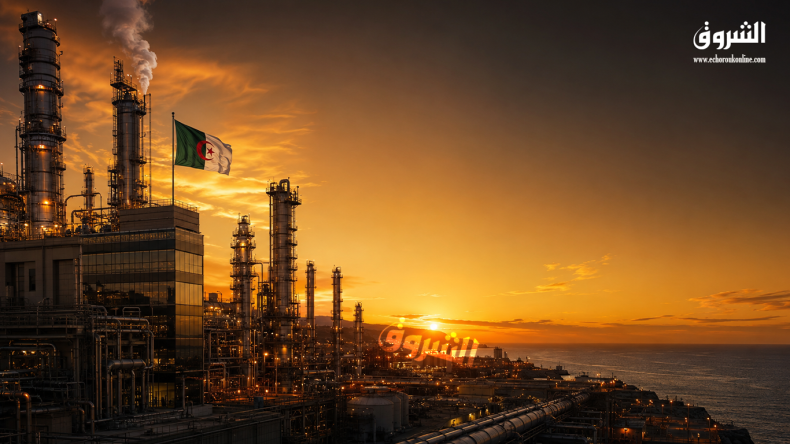
Algeria is emerging as a significant player in Africa's domestic crude oil refining sector, positioning itself alongside Nigeria and Angola as a leader in the continent's efforts to process its own oil resources. The North African nation is considered among the leading African countries in the field of domestic crude oil refining. This push aims to increase local value addition and reduce reliance on imported refined products. The North African nation's initiatives in upgrading and expanding its refining infrastructure are central to this strategy, reflecting a broader trend across Africa to enhance energy independence and bolster economic resilience through localized production capabilities. This movement shows a strategic shift for countries to gain greater control over their energy supply chains and maximize economic returns from their natural resources.
Continental Refining Ambitions
The African continent is experiencing a general trend towards decreasing its reliance on crude oil exports and fuel imports. This shift prioritizes the development of local industries, aims to strengthen value chains, and seeks to create jobs while supporting industrial growth within oil-producing nations. This broader ambition is also evident in countries like Ghana, which are working to launch domestic oil refining operations for the first time. The collective push across Africa reflects a strategic move to process raw materials locally, enhancing economic self-sufficiency and reducing dependence on external markets for refined petroleum products. This continental trend aims to reduce reliance on refined fuel imports and enhance the added value of petroleum resources within producing countries. The continent is witnessing a general trend towards reducing reliance on crude oil exports and fuel imports in favor of developing local industries, strengthening value chains, creating jobs, and supporting industrial growth in oil-producing countries.
Regional Refining Leaders
Nigeria is leading significant efforts in domestic oil refining through the operation of the Dangote refinery, which represents a major advancement in the continent's processing capabilities. This facility is central to Nigeria's strategy to reduce its dependence on imported refined petroleum products and enhance local value addition. Nigeria is leading significant efforts in this area through the operation of the Dangote refinery, a project of immense scale and strategic importance. Simultaneously, Angola is also actively working to expand its refining capacities. The southwestern African nation is pursuing new projects designed to bolster its ability to process crude oil domestically. Angola is working to expand its refining capacities through new projects, further solidifying its commitment to energy self-sufficiency. These initiatives by both Nigeria and Angola show a broader African trend towards greater energy independence and self-sufficiency in petroleum product supply. Their efforts contribute to the continent's overall goal of shifting from being primarily crude exporters to producers of refined fuels, thereby retaining more economic value within their borders.
Algeria's Refining Strength
Algeria possesses an advanced energy sector and existing refining infrastructure, which allows it to process a substantial portion of its oil production domestically. This capability positions the North African nation as a key player in Africa's push for greater energy independence. The country's established facilities contribute to its capacity for local value addition, reducing reliance on imported refined products and bolstering its economic resilience within the petroleum sector. Algeria's long-standing experience in the energy industry provides a strong foundation for its continued leadership in this critical area, enabling it to efficiently manage its crude oil resources and meet domestic demand.
Economic Benefits of Local Refining
The continental trend towards increased domestic oil refining aims to reduce reliance on refined fuel imports. This strategic shift also seeks to enhance the added value of petroleum resources within producing countries. By processing crude oil domestically, nations can capture more of the value chain, creating local jobs and stimulating economic growth. This approach contributes to greater energy independence and provides a more stable supply of refined products for internal markets. Developing local refining capabilities helps to mitigate the impact of volatile international oil markets on domestic fuel prices and supply, offering greater price stability and security of supply for consumers and industries alike. This also fosters the development of ancillary industries and technical expertise within the country.