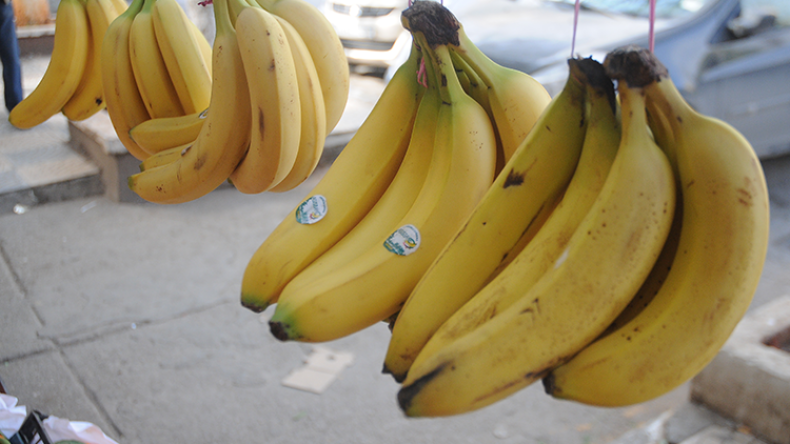
Banana prices in Algeria decreased to approximately 420 dinars per kilogram on Monday, following new regulatory measures. This notable drop reflects the immediate impact of government interventions aimed at stabilizing the market. The Algerian government expanded the list of qualified operators for banana import activity, integrating new importers into the market. This expansion aims to increase supply and stabilize prices for consumers across the country. The strategic decision to diversify import channels is expected to foster greater competition and ensure a more consistent availability of the fruit.
New Import Regulations Detailed
The Ministry of Trade has established a ceiling for the import price of bananas, setting it at a maximum of one dollar per kilogram. This critical measure is part of broader efforts to regulate the market and ensure affordability for consumers by controlling costs at the point of entry. The newly implemented import controls aim to streamline the process for qualified operators while preventing price inflation at the import stage. Authorities are monitoring the market closely to ensure compliance with the new price limits and to observe their impact on local retail prices. These regulations are expected to contribute significantly to the sustained availability of bananas at competitive rates across Algeria, directly benefiting the end consumer. The Ministry's proactive stance shows the government's commitment to maintaining economic stability in essential food sectors.
Market Impact and Price Drop
Invoices for banana import operations settled through banks have recently shown prices ranging between $0.5 and $0.99 per kilogram. This range indicates a significant decrease in import costs, contributing to the overall reduction in market prices experienced by consumers. This reduction in acquisition cost for importers is a direct result of the new regulatory framework. Further reflecting the increased activity and government intervention, the number of banana import programs approved by banks has exceeded 460. These approvals signify a substantial expansion of import capacity and a broader distribution of import licenses among various operators. The surge in approved programs is directly linked to the government's strategy to increase supply and drive down retail prices for consumers across Algeria, ensuring a more strong and competitive market.
Enforcement and Oversight
Control agents from the Ministry of Internal Trade and National Market Regulation are actively monitoring the market after imported bananas enter the country. Their oversight ensures compliance with the new regulations and pricing structures established for banana imports. This ongoing supervision is key for maintaining market stability and preventing any unauthorized price increases once the fruit is distributed throughout the supply chain. The Ministry's continuous presence aims to guarantee that the benefits of the expanded import programs and reduced import costs are passed on to consumers, rather than being absorbed by intermediaries. This enforcement mechanism is a key component of Algeria's strategy to stabilize banana prices across the national market and protect consumer purchasing power.
Broader Economic Context
Controlling the import price from the outset aims to limit opportunities for individuals attempting to inflate the declared cost of the product. This measure seeks to prevent illicit financial practices that can artificially drive up prices for consumers, ensuring fair trade practices. The Ministry of Trade has explicitly stated that setting a ceiling for import prices helps in reducing the room for maneuver for those trying to inflate the declared cost of the product, thereby combating potential over-invoicing. By setting clear parameters at the import stage, authorities intend to ensure that the initial acquisition cost reflects actual market values, thereby contributing to overall price stability within the domestic market. The government's strategy focuses on disrupting mechanisms that could lead to price gouging or inflated declarations, which ultimately impact the retail price paid by Algerian consumers. This full approach shows a commitment to transparency and consumer protection in the import sector.