Algeria formalized new regulations for students with special needs through the publication of Executive Decree No. 26-312. The government released the legal text in the Official Gazette on 22 September 2026. This decree establishes the regulatory framework governing the educational access and support requirements for these students across the country. The publication of the decree in the Official Gazette on September 22, 2026, serves as the formal notification for all public and private educational institutions to begin aligning their internal policies with the new national standards.
Integrating Special Education Classes
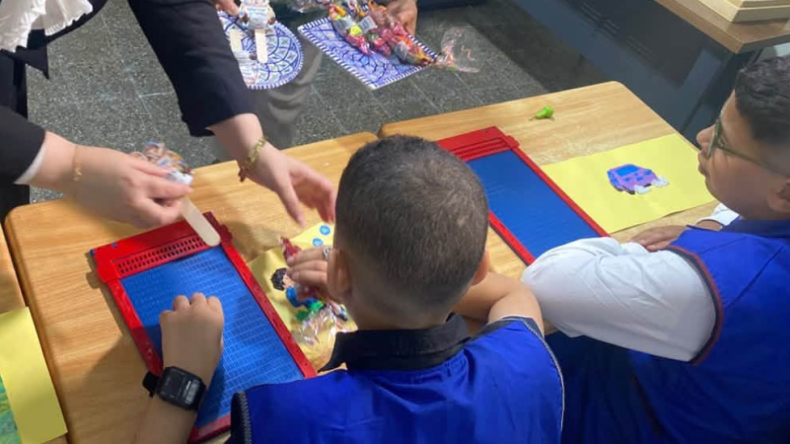
Executive Decree No. 26-312 establishes formal mechanisms for opening special education classes within regular educational institutions across Algeria. These provisions aim to integrate students with special needs into standard school environments by providing the necessary infrastructure and specialized classroom settings. Local school administrations must now allocate space and resources to accommodate these students alongside their peers in the general student population. The decree explicitly mandates that these mechanisms for opening special classes within regular educational institutions must be prioritized to ensure that students remain within their local communities while receiving appropriate instruction.
Management of these programs falls under a newly mandated committee responsible for pedagogical monitoring. This body will perform periodic evaluations of the specialized staff assigned to operate within these classes. Its primary objective involves ensuring that the teaching personnel maintain standardized educational quality and meet the specific learning requirements of the enrolled students. The decree mandates the creation of a committee to oversee pedagogical monitoring and periodic evaluation of specialized staff in special classes, ensuring that all personnel are adequately prepared to handle the diverse needs of their students. This oversight committee will function as a central authority to verify that instructional methods remain compliant with national pedagogical standards.
Students with special needs will also receive facilitative arrangements during exams and competitions. These adjustments apply to the education, higher education, and vocational training sectors. The decree specifies that these accommodations intend to ensure equitable access to testing environments, providing necessary support based on individual student requirements. The decree provides for facilitative arrangements for students with special needs during exams and competitions in the education, higher education, and vocational training sectors, effectively removing barriers that previously hindered participation in competitive academic assessments.
Monitoring and evaluation of these facilitative arrangements will be managed by a cross-sectoral committee. This committee functions across the various government departments involved in the education and training sectors to track the implementation of the new rules. By coordinating these efforts, the committee aims to assess whether the provided accommodations remain effective and consistent with the requirements outlined in the decree. A cross-sectoral committee will be established to monitor and evaluate the implementation of these facilitative arrangements, ensuring that the transition to these new standards is uniform across all relevant state departments and training bodies. This multi-departmental approach is designed to maintain accountability and ensure that the rights of students are upheld throughout the entirety of their academic and vocational journeys.