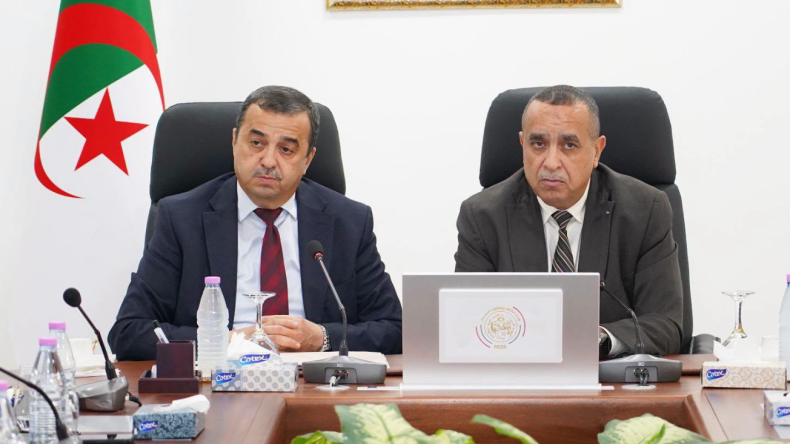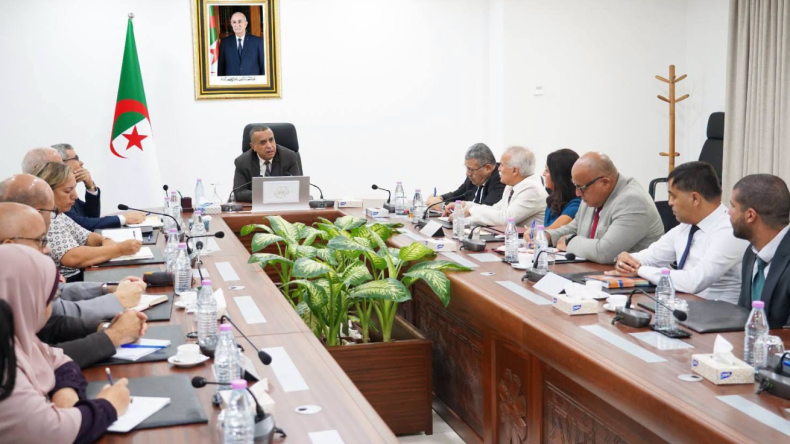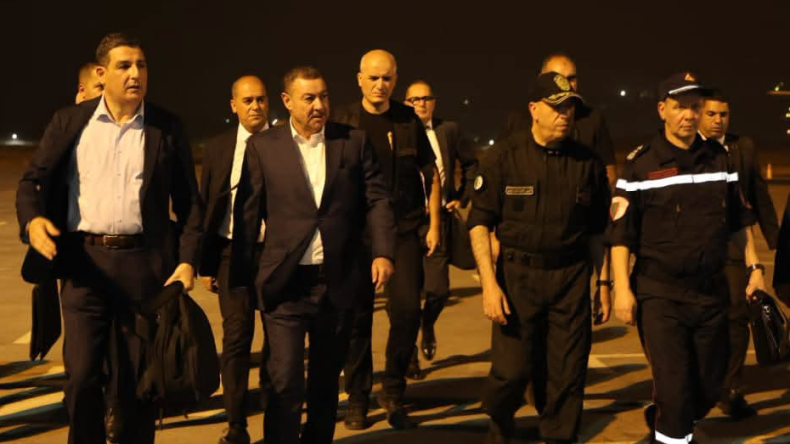
Minister of Interior, Local Communities and Transport Saïd Sayoud announced that 12 people died due to fires that broke out in several wilayas across Algeria. Mr. Sayoud made the statement during a visit where he was accompanied by the Minister of Health, the Director General of National Security, and the Director General of Civil Protection. The high-level delegation, comprising these key officials, assessed the situation following the recent blazes, showing the gravity of the crisis and the coordinated governmental response. The ministers and directors general were on the ground to evaluate the extent of the damage and the effectiveness of the ongoing emergency operations.
Widespread Fires Erupt
The largest number of fires was recorded in Béjaïa, where authorities reported 20 distinct blazes. This significant concentration of incidents noted the particular challenges faced by this wilaya. Tizi Ouzou also experienced substantial fire activity, with 13 fires documented in the wilaya, further contributing to the widespread nature of the emergency. Further east, Skikda recorded 10 fires, indicating that the problem was not isolated to a single region but affected multiple administrative divisions. Meanwhile, Jijel, another wilaya in the eastern region of the country, contended with 6 fires. These figures collectively illustrate the widespread nature of the recent outbreaks across several wilayas in Algeria, placing considerable strain on local emergency services and resources. The sheer number of simultaneous incidents necessitated a full and coordinated response from national authorities.
Ministerial Response and Assessment
The Minister of Interior, Local Communities and Transport, Saïd Sayoud, visited the wilaya of Béjaïa on Wednesday evening. His visit was conducted on behalf of the President of the Republic to assess the ongoing firefighting efforts and provide direct oversight of the situation. During this critical visit, Mr. Sayoud was accompanied by other high-ranking officials including the Minister of Health, the Director General of National Security, and the Director General of Civil Protection, emphasizing the multi-sectoral approach to the crisis. This assessment followed reports of widespread blazes across several wilayas in Algeria, with Béjaïa, in particular, recording the largest number of fires among the affected regions, with 20 distinct incidents. The ministerial delegation aimed to evaluate the effectiveness of the response, understand the immediate needs of the affected populations, and assess the overall situation on the ground in one of the most impacted areas. The visit showed the government's direct involvement in managing the crisis and supporting the affected communities through immediate intervention and strategic planning.
Broader Context and Impact
Algeria has recorded a total of 131 vegetation fires, predominantly concentrated in the eastern parts of the country. This full figure accounts for incidents reported as of Wednesday at 5:00 PM, providing a clear snapshot of the scale of the disaster. The widespread nature of these blazes has prompted a strong response from authorities, with ministerial visits and ongoing firefighting operations actively deployed in affected areas. The fires have impacted several wilayas, with Béjaïa reporting a significant number of incidents, making it a focal point for relief efforts. The extensive destruction caused by the fires shows the severe challenges faced by emergency services and local communities in managing the crisis, including the loss of livelihoods and environmental damage. Efforts continue to contain the remaining fires and assess the full extent of the damage, which includes not only property but also vast tracts of natural vegetation.
Ongoing Efforts and Future Outlook
Algerian authorities continue to mobilize resources to combat the remaining vegetation fires, particularly in the eastern regions of the country, where the majority of the 131 recorded incidents have occurred. Firefighting efforts are ongoing across wilayas such as Béjaïa, Tizi Ouzou, Skikda, and Jijel, which have experienced the most significant outbreaks and continue to require intensive intervention. The government maintains its focus on containing the blazes and assessing the full scope of their impact on affected communities and natural environments, including long-term recovery plans. Officials are also monitoring conditions closely to prevent new outbreaks, especially given the dry and hot conditions that often exacerbate such incidents, and to ensure a coordinated response to any future incidents. The commitment to managing the crisis remains a priority for the Ministry of Interior, Local Communities and Transport, which is working to safeguard lives and mitigate further environmental and economic losses.