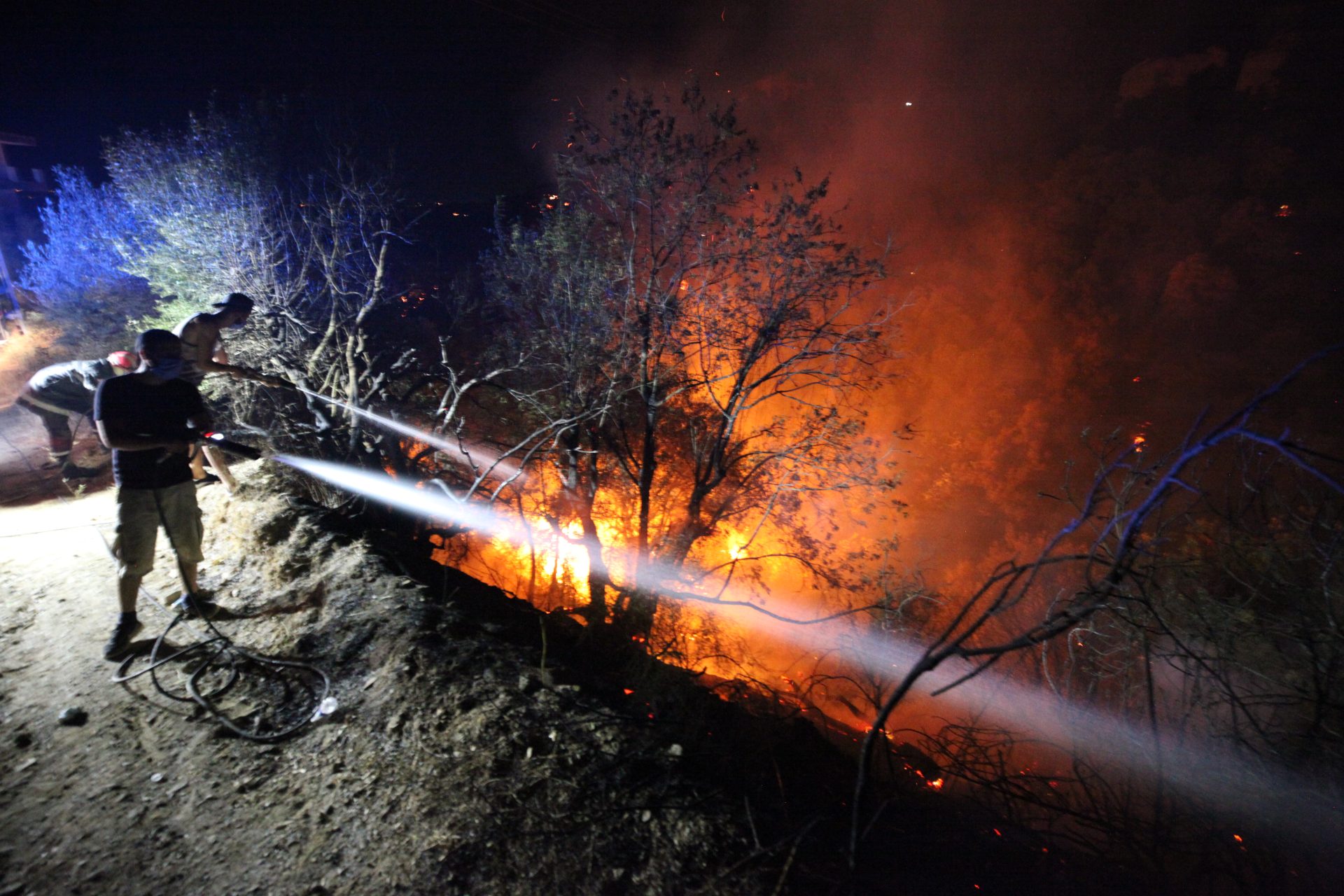
Algeria has imposed a total ban on human presence in forest and wooded areas from May until October 30, according to a recently published executive decree. This full measure prohibits any movement, whether by foot, vehicle, or bicycle, within these sensitive zones during this critical period, specifically aimed at combating the perennial threat of wildfires. The executive decree, which came into effect immediately, shows the government's determination to prevent the devastating blazes that have plagued the country in previous years. Penalties for violating the ban are severe, including imprisonment ranging from two to six months, in addition to substantial fines. This strict enforcement policy reflects the gravity with which Algerian authorities view the potential for human-caused fires. The ban covers all forest and wooded areas across the national territory, making it a nationwide effort to safeguard natural resources and human lives.
Intensified Surveillance and Enforcement
Algerian authorities have implemented a strong surveillance system to enforce the forest ban, deploying over 6,000 agents for the summer of 2026. This full monitoring effort also includes the use of numerous watchtowers strategically positioned across the territory to provide broad visibility. To enhance early detection capabilities, 140 drones provide continuous aerial coverage, designed to spot smoke and potential fire outbreaks swiftly and efficiently. These unmanned aerial vehicles are equipped with advanced sensors capable of identifying thermal anomalies and smoke plumes, allowing for rapid intervention. Officials are also actively monitoring social media platforms for videos showing "challenges" filmed by young people in prohibited forest areas, indicating a multi-pronged approach to both physical and digital surveillance. This proactive approach aims to deter violations and respond quickly to any emerging threats, ensuring that potential fire hazards are addressed before they escalate. The combined deployment of agents, watchtowers, and advanced drone technology shows the government's unwavering commitment to preventing wildfires. The 6,000 agents, specifically deployed by the Directorate General of Forests for the summer of 2026, are tasked with patrolling and ensuring compliance with the executive decree that prohibits human presence in these sensitive zones. The drones' ability to offer constant aerial oversight serves as a critical component in the overall fire prevention strategy, providing an invaluable tool for early warning and rapid response.
Context and Rationale
The Kabylie fires in the summer of 2021 serve as a painful memory informing the new measures, according to officials. These catastrophic events noted the rapid and devastating potential of wildfires in Algeria, prompting a re-evaluation of existing prevention strategies. Authorities state that a simple spark, when combined with intense heat and strong winds, can transform thousands of hectares into an uncontrollable blaze in minutes, illustrating the extreme volatility of the conditions during the dry season. The wilayas of Béjaïa, Tizi Ouzou, and Sétif have historically been among the most affected areas by wildfires in recent seasons, experiencing significant ecological and economic damage. These regions, known for their dense forests and often challenging terrain, are particularly vulnerable to rapid fire spread. Penalties for violating the forest ban are significantly increased if an individual is found to have started a fire or obstructed civil protection teams during their operations, reflecting the severe consequences of such actions. These stricter regulations aim to mitigate the risk of catastrophic fires that have profoundly impacted the country, leading to loss of life, displacement, and environmental degradation. The government's strategy emphasizes prevention given the rapid escalation potential of wildfires under specific weather conditions in vulnerable regions, prioritizing proactive measures over reactive firefighting efforts. The memory of past tragedies, particularly the 2021 Kabylie fires, acts as a powerful catalyst for the implementation and rigorous enforcement of these new preventative policies.
Impact and Public Reaction
Violators of the forest ban face firm prison sentences and heavy fines, as outlined in the executive decree. The new regulations also prohibit barbecues, campfires, picnics, and any human gatherings in wooded areas, including during the upcoming Eid El-Adha period. This specific prohibition during Eid El-Adha is critical, as traditionally, this holiday sees a significant increase in outdoor activities and gatherings, often involving open fires, which pose an elevated risk in dry forest environments. Algerian authorities implemented these full measures in direct response to past wildfire challenges, which have repeatedly demonstrated the need for stringent preventative actions. The government reported a significant reduction in burned areas in 2025, with a 91% decrease compared to reference years, indicating a direct positive impact of the stringent preventative policies on fire incidents. This substantial reduction serves as a strong justification for the continued and enhanced enforcement of such measures. The full ban on human presence and activities aims to mitigate the risk of accidental ignitions, which are frequently cited as a primary cause of forest fires. By controlling human access and prohibiting high-risk activities, the authorities seek to eliminate a major source of fire outbreaks. The prohibition during Eid El-Adha specifically addresses a period when outdoor gatherings and associated activities, such as barbecues, typically increase, posing a higher risk of fire outbreaks in sensitive wooded environments, thus aiming to protect both the natural landscape and the safety of the population.