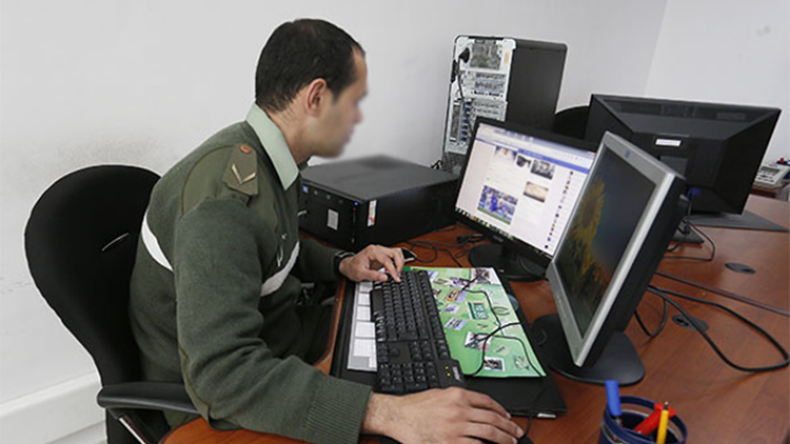
Algeria has deployed specialized "Electronic Thunderbolts" units from the General Directorate of National Security and the High Command of the Gendarmerie to safeguard the upcoming Baccalaureate exams. These units are working in close coordination with the Ministry of Education to thwart any attempts at cheating and prevent the leakage of exam topics. The government has established a full "general security-judicial protocol" specifically designed to protect the integrity of the exam topics, recognizing the critical importance of these national assessments. The Baccalaureate exams are scheduled to commence on Sunday, June 6th, and the extensive measures aim to ensure a fair and equitable testing environment for all students across the country.
Coordinated Security Operations
The National Center for Combating Information Crimes of the Gendarmerie has established a dedicated crisis cell composed of competent investigators and technical specialists. This cell is tasked with electronically monitoring the Baccalaureate exams throughout their duration, employing advanced technological tools to detect anomalies. Concurrently, the specialized teams belonging to the Central Service for Cybercrime Control of the National Security have initiated rigorous surveillance of all websites and online platforms suspected of being involved in leaking Baccalaureate exam topics. This proactive monitoring aims to identify and neutralize threats before they can impact the examination process.
Security services are operating on a continuous 24-hour rotation system to thwart any attempts to cheat or leak the 2026 Baccalaureate topics. This continuous vigilance, maintained around the clock, aims to uphold the integrity and credibility of the examination process. Full security measures have been implemented at all question printing centers, which are considered highly sensitive locations. These measures include constant camera surveillance to monitor all activities and the deployment of advanced jamming devices, specifically designed to prevent the transmission of calls or images from these secure facilities, thereby eliminating any possibility of unauthorized information dissemination.
Judicial Framework and Penalties
Public prosecutors have issued clear instructions to their counterparts across all courts, emphasizing the need to impose severe penalties on individuals involved in cases that undermine the integrity of the upcoming Baccalaureate examinations. This directive shows the judicial system's commitment to protecting the fairness of the exams. Prosecutors showed the need "to demonstrate a spirit of responsibility and vigilance to ensure the success of this key exam in a calm atmosphere," stressing the national importance of these examinations. They also urged citizens "to show a spirit of reporting any suspect to the public prosecutor's offices or security services, either by contacting the dedicated green numbers or by direct reporting, in order to intervene in a timely manner to arrest these individuals and take legal action against them with full rigor." This call for public cooperation notes the collective effort required to maintain exam integrity.
Algerian law, specifically Law 20-06, introduced a new and dedicated chapter in the Penal Code focused exclusively on crimes undermining the integrity of exams and competitions. This legislative amendment reflects the state's determination to combat such offenses. Simple offenses related to exam integrity are punishable by imprisonment ranging from one to three years, along with a significant fine of 100,000 to 300,000 dinars. More severe penalties are reserved for aggravated offenses, particularly those committed by exam organizers themselves or involving the sophisticated use of remote communication means. These serious infractions carry penalties including five to ten years imprisonment and substantial fines that can reach up to one million dinars. Acts that lead to the complete cancellation of an exam or competition for all participants are classified as felonies, punishable by temporary imprisonment from seven to fifteen years and even higher fines ranging from 700,000 to 1,500,000 dinars, reflecting the gravity of such disruptions.
National Vigilance and Monitoring
Vigilance and monitoring cells, established at all judicial councils across the country, commenced their operations on Sunday, coinciding with the start of the examination period. These specialized cells are tasked with ensuring the smooth running of the Baccalaureate exams and actively detecting any potential cheating attempts or irregularities. Their widespread deployment signifies a nationwide, coordinated effort to uphold the integrity of the examination process at every level. This initiative complements the broader security measures already in place, including the electronic monitoring conducted by specialized units, providing an additional layer of oversight. The judicial councils' direct involvement aims to provide immediate oversight and rapid response capabilities across all examination centers, reinforcing the government's unwavering commitment to a fair, secure, and transparent testing environment for all students aspiring to higher education.