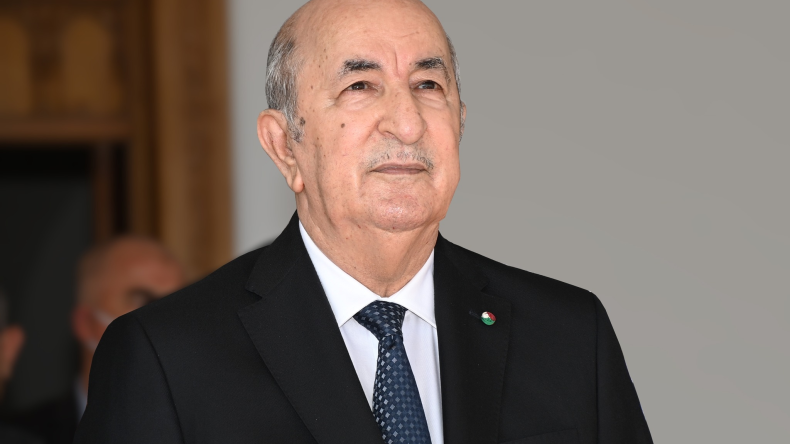
Algerian President Abdelmadjid Tebboune signed a presidential decree on Monday, officially calling for municipal and provincial elections. The electoral body will convene for these polls, which are now scheduled to take place on Saturday, November 28, 2026. This significant announcement sets the stage for a nationwide electoral process designed to renew local and regional representation across the country. The decree, issued by the President, shows the government's commitment to maintaining the regular cycle of democratic governance at the sub-national level.
Legal Framework for Decree
The presidential decree calling for the elections was issued in accordance with specific legal provisions, a source close to the presidency confirmed. The decision aligns with Articles 62 and 123 of Order No. 21-01. This order, dated March 10, 2021, is significant as it amends and supplements Algeria's organic law on the electoral system. The updated legal framework provides the basis for the organization and conduct of the upcoming municipal and provincial polls, ensuring that the electoral process adheres to established legal principles and procedures. This legislative foundation is key for the transparent and orderly execution of the elections, reflecting the state's dedication to a well-regulated electoral environment. The specific articles cited from Order No. 21-01 define the powers and procedures related to the calling and conduct of such elections, solidifying the legal mandate for these nationwide polls.
Electoral List Revision
An exceptional revision of the electoral lists is scheduled to commence on Sunday, September 6, 2026. This revision is a standard procedure ahead of major elections, allowing for updates to voter rolls and ensuring their accuracy. The process provides an opportunity for citizens to register, verify their details, or request amendments to their electoral information. This period is vital for ensuring the integrity and inclusiveness of the voter registry, allowing all eligible citizens to exercise their right to vote.
The revision period will extend for several days, concluding on Thursday, September 17, 2026. During this timeframe, eligible voters who are not currently registered or whose information has changed will be able to update their status. This includes young people who have reached voting age, individuals who have changed their residence, or those who need to correct any inaccuracies in their existing registration. The specific dates for this revision fall within the broader timeline leading up to the municipal and provincial elections in November 2026, as announced by President Abdelmadjid Tebboune. The revision is a critical step in the electoral process, preparing the ground for the upcoming polls by ensuring the integrity and comprehensiveness of the voter registry, thereby strengthening the democratic foundation of the elections. Public awareness campaigns are typically launched to inform citizens about the importance and procedures of this revision.
Upcoming Election Details
The forthcoming elections will select members for both municipal and provincial popular councils across Algeria. These councils represent local and regional administrative bodies, playing a key role in local governance and public service delivery. The polls are designed to renew the mandates of representatives at the grassroots level, directly impacting local communities. The election process will involve citizens voting for candidates to fill seats in their respective municipal assemblies (APC) and provincial assemblies (APW). These bodies are responsible for managing local affairs, including infrastructure, social services, and economic development within their jurisdictions. The outcomes of these elections will determine the composition of local leadership for the upcoming term, influencing policy decisions and resource allocation at the community and regional levels for several years. The municipal and provincial popular councils are integral to Algeria's administrative structure, making these elections a cornerstone of local democratic participation.