Building high and very high-rise structures in Algeria is feasible, even in seismically active zones, if strict technical and regulatory standards are observed and adhered to. Despite this, Algeria currently lacks a unified national study that dictates the maximum permissible building height for each region of the country. This means that vertical expansion cannot be automatically implemented as a solution to address real estate scarcity. The regulatory framework includes the snow and wind system "N.Th.R. 2013," which was formally approved via a ministerial decree issued on June 16, 2013, providing guidelines for such construction projects. This system is key for ensuring structural integrity against environmental forces.
Technical Feasibility and Seismic Rules
Building high-rise structures in zones with high seismic activity is technically possible, provided that appropriate structural systems are adopted and in-depth dynamic and geotechnical studies are conducted. This technical possibility, as affirmed by the Minister, extends to both high and very high-rise buildings. Vertical expansion, while a potential solution for real estate scarcity, requires full studies that consider technical, urban, and infrastructure aspects before implementation; it cannot be adopted as an automatic solution. Algeria's seismic resistance rules, known as "Q.J.Z. 2024," received official approval through a ministerial decree issued on June 24, 2024. These rules establish the necessary parameters for safe construction in seismically active areas. For every construction project, particularly those involving high-rise buildings, a mandatory soil study is required to determine the ground's bearing capacity, facilitate the selection of suitable foundations, and assess any potential risks of sliding or instability. This foundational study is a critical first step in ensuring the long-term stability and safety of any vertical development.
Regulatory Framework and Urban Planning
The feasibility of constructing high-rise buildings is assessed on a case-by-case basis, taking into account the technical and regulatory data specific to each site. This evaluation includes factors such as seismic classification, anticipated wind loads, the outcomes of geotechnical studies, the provisions of local planning tools, and detailed fire safety requirements. The study of increasing floors in existing buildings is also done on a case-by-case basis according to the specifics of each site, ensuring tailored solutions rather than blanket approvals.
Algerian regulations provide a strong framework for safety in vertical construction. Law No. 19-02, issued on February 16, 2019, specifically addresses fire and panic prevention and control. This legislation mandates the incorporation of emergency exits, secure stairwells, alarm systems, fire-fighting equipment, and full safety plans into the design of high-rise structures. These requirements are vital for ensuring the safety of occupants in the event of an emergency. Urban planning tools, notably the PDAU (Land Use Plan) and POS (Land Occupation Plan), play a key role in regulating development by determining the permissible number of floors, maximum building height, urban density, land occupation coefficient, and any applicable easements for a given area. These tools provide a structured approach to urban development, preventing arbitrary construction and ensuring that new buildings integrate harmoniously with existing urban landscapes and infrastructure. The absence of a unified national study determining maximum building heights per region shows the reliance on these localized planning instruments for regulating vertical growth.
Government Response and Future Outlook
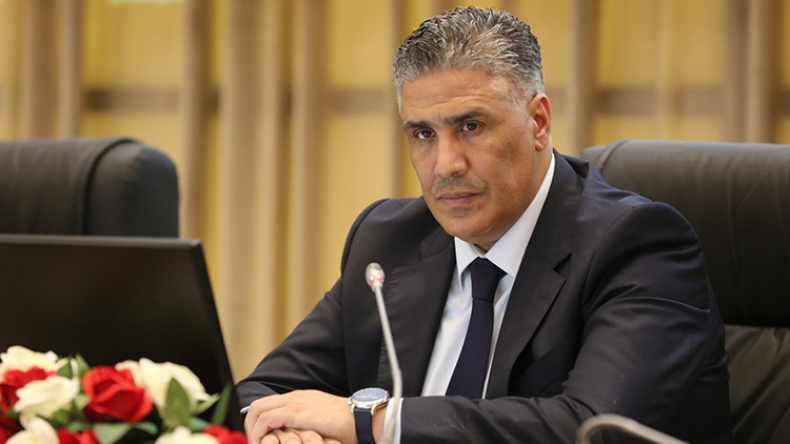
The Minister of Housing, Urban Development and City Planning, Mohamed Tarek Belaribi, provided an official response to Member of Parliament Rabah Jeddou on May 11th. This response addressed queries on high-rise construction feasibility, reiterating the government's stance on adhering to strict technical and regulatory standards. A specialized technical team has also prepared a full technical document outlining specific "Design and Safety Requirements for High-Rise Buildings (IGH) and Very High-Rise Buildings (ITGH)." This team included representatives from the Ministry of Housing, the Ministry of Interior, Local Authorities and Urban Planning, and the Ministry of Energy. The document aims to standardize safety and design protocols for vertical expansion projects across the country, providing a unified guide for architects, engineers, and developers. This collaborative effort signifies a concerted push towards ensuring that Algeria's urban development, particularly in high-rise construction, is both ambitious and rigorously safe. The ongoing development of these full guidelines is expected to facilitate future vertical expansion projects while prioritizing public safety and structural integrity.