Algerian authorities have accelerated the pace of the Algerian-Nigerian gas pipeline project, which aims to connect Nigeria to Algeria via Niger and transport gas to Europe. This ambitious energy corridor is designed to link Nigeria's vast natural gas reserves, traverse through Niger, and ultimately connect to Algeria's existing pipeline network, enabling onward transmission to European markets. The project has gained increased urgency for European nations, particularly following the recent Zionist-American aggression against Iran and the subsequent closure of the Strait of Hormuz. In a related development, Niger’s Minister of Petroleum, Hamadou Tini, commenced a working visit to Algeria on Tuesday, June 2, 2026. This visit signifies a critical step in advancing the multi-nation energy initiative.
Diplomatic Engagements Underway
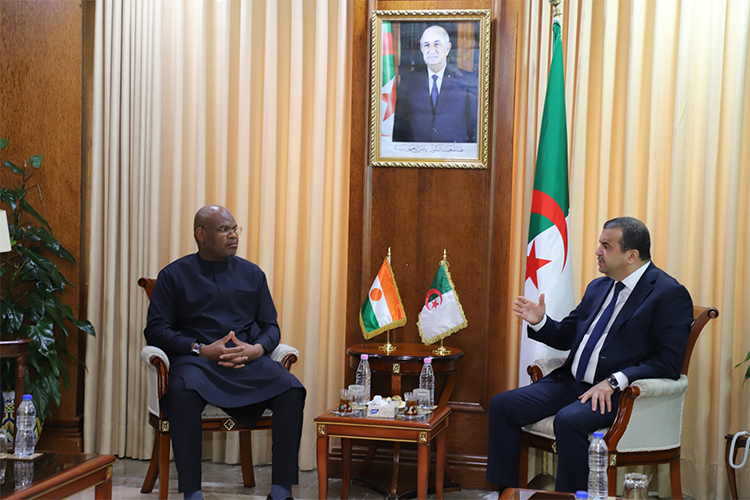
Hamadou Tini, Niger’s Minister of Petroleum, received a welcome at Algiers International Airport “Houari Boumediene” from the Minister of State, Minister of Energy and Mines, Mohamed Arkab. The reception showed the high-level commitment to the discussions. Mr. Tini’s delegation included officials and executives from Niger’s Ministry of Petroleum and the Nigerian National Petroleum Company “SONIDEP.” The presence of representatives from both the governmental and state-owned corporate sectors notes the full nature of the discussions. This visit follows several prior engagements by Nigerien officials, notably those led by General Abdourahamane Tchiani, which laid the groundwork for enhanced bilateral cooperation. The current discussions aim to implement directives from Algerian President Abdelmadjid Tebboune, focused on strengthening relations and cooperation between Algeria and Niger, particularly within the hydrocarbons sector. This strategic alignment is vital for the successful execution of the pipeline project. During his time in Algeria, Minister Tini is participating in the fifth ministerial meeting of the Steering Committee for the Trans-Saharan Gas Pipeline project, a key forum for coordinating the multi-national effort.
Geopolitical Drivers and Regional Stability
The Strait of Hormuz, a critical maritime chokepoint, currently handles the passage of five percent of the world’s fossil energy, showing its strategic importance for global energy supplies. The recent aggression against Iran and the subsequent closure of the Strait have noted the need for alternative energy routes to Europe, making the Trans-Saharan Gas Pipeline project even more vital. Meanwhile, regional stability in West Africa has faced challenges, notably the crisis in Mali during the spring of 2025, which impacted neighboring countries like Niger and Burkina Faso. These events have intensified the geopolitical focus on the Trans-Saharan Gas Pipeline project, positioning it as a key initiative for energy security and regional economic development. The imperative to diversify energy supply routes and enhance stability in the region has propelled the project forward.
Algeria has committed to constructing the pipeline section within Niger’s territory, recognizing Niger's limited financial capabilities in funding such a large-scale infrastructure project. This commitment is seen as key for the project's advancement and for strengthening regional energy cooperation. The pipeline initiative aims to provide a more secure and diversified energy supply route, mitigating risks associated with existing chokepoints and regional instabilities. This strategic investment by Algeria is designed to ensure the project's feasibility and timely completion, fostering a more strong energy landscape for all involved parties and for Europe.
Project Scope and Commitments
Algeria and Nigeria possess existing infrastructure that can be integrated into the planned Trans-Saharan Gas Pipeline project. This readiness facilitates the development of the ambitious pipeline, which aims to transport natural gas from Nigeria, through Niger, to Algeria, and then on to European markets. The project involves connecting Nigeria's significant gas reserves to Algeria's established pipeline network, which already links to Europe. Utilizing pre-existing components in both Algeria and Nigeria is expected to streamline the construction process and reduce overall development timelines for the extensive energy corridor. This approach showing a pragmatic strategy for the large-scale cross-border energy initiative. The integration of current facilities is a key element in the project's feasibility and its accelerated implementation, promising a more efficient path to bringing new gas supplies online.
Bilateral Cooperation Goals
The ongoing visit by Niger’s Minister of Petroleum, Hamadou Tini, to Algeria shows the nations' shared commitment to advancing the Trans-Saharan Gas Pipeline. Discussions aim to strengthen bilateral cooperation in the hydrocarbons sector, fulfilling directives from Algerian President Abdelmadjid Tebboune. This collaboration is key for the pipeline project, which seeks to provide Europe with a more secure and diversified natural gas supply, thereby enhancing energy security for the continent. The joint efforts reflect a strategic partnership designed to leverage regional resources for mutual benefit and global energy stability.