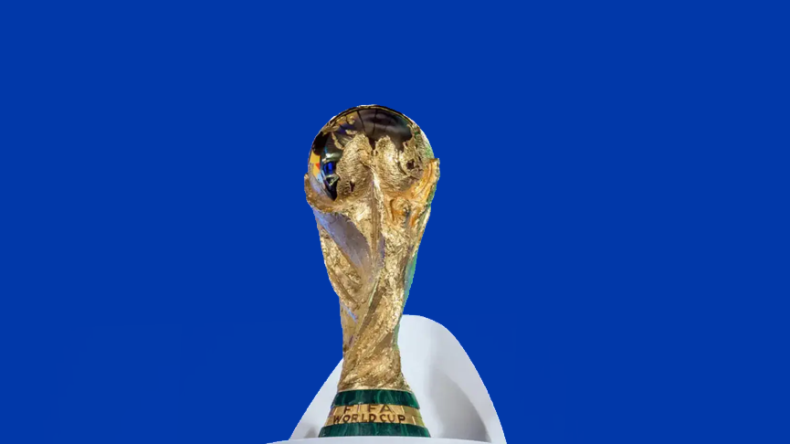
As the 2026 FIFA World Cup approaches, millions of eyes are turning towards the host stadiums, anticipating the global football spectacle set to commence. This monumental event, eagerly awaited by fans worldwide, promises to be a showcase of elite athletic prowess. Five major teams are noted as the strongest candidates poised to win the tournament, each bringing a unique blend of talent, strategy, and historical ambition to the grand stage. Scheduled for publication on May 31, 2026, the event is expected to feature a high-level tactical and physical battle among the competing nations, pushing the boundaries of modern football. The anticipation is palpable as teams fine-tune their preparations for what is expected to be one of the most competitive World Cups in history.
Spain's Top Billing
Spain is considered the top favorite by many analysts, with their organized team play frequently cited as a key strength heading into the tournament. This distinctive style, characterized by precise passing, intelligent movement, and collective effort, has drawn significant attention from observers who view it as a formidable force. The Spanish squad's ability to control possession and dictate the tempo of matches makes them a challenging opponent for any team. However, a notable concern for the squad involves its young winger, Lamine Yamal (لامين يامال). Yamal is currently managing a knee injury, which poses a potential challenge for the team's preparations and performance. His electrifying pace and creative flair are key to Spain's attacking dynamics, making his fitness a critical issue. The status of his recovery remains a critical point of interest as the World Cup approaches, with fans and analysts closely monitoring his progress.
France and Argentina's Challenge
France, under coach Didier Deschamps since 2012, faces questions about its consistency despite winning the 2018 World Cup. Deschamps, a veteran presence on the sidelines, has guided the team through numerous campaigns, but the current squad's form has been inconsistent leading up to the tournament. Kylian Mbappé's form has been unstable, raising concerns about the team's offensive prowess and its ability to replicate past successes. As one of the world's most dynamic forwards, Mbappé's peak performance is essential for France's ambitions. Meanwhile, defending champions Argentina enter the tournament with their own set of challenges. Lionel Messi, at 38 years old, remains Argentina's legendary inspiration, a figure whose presence alone can elevate the team's spirit and performance. However, medical reports indicate he is suffering from muscle fatigue, a concern that could impact his endurance and explosiveness during the demanding tournament schedule.
Argentina's defense also relies heavily on the recovery of key players Romero and Martínez, whose solidity at the back is indispensable for the team's overall balance. Their return to full fitness is critical for Argentina's defensive stability. The team's attack features the formidable duo of Julian Alvarez and Lautaro Martinez, who will be key for their scoring potential and provide a potent threat in the final third. These factors present significant hurdles for both nations as they aim for glory in 2026, requiring careful management of player fitness and tactical adjustments to overcome their respective challenges.
England and Brazil's Hopes
England has not won the World Cup since 1966, an extended drought that the team aims to break with renewed vigor and a talented generation of players. Thomas Tuchel now serves as England's new coach, bringing a fresh tactical perspective and a track record of success at the club level. His arrival has injected a new sense of optimism into the squad. The squad will rely on key attacking players Harry Kane and Jude Bellingham to lead their challenge in the tournament. Kane's prolific goal-scoring ability and Bellingham's dynamic midfield presence are central to England's strategy. Meanwhile, five-time champions Brazil have not secured a World Cup victory since 2002, a surprising dry spell for a nation synonymous with footballing excellence. Brazil's offensive strategy will heavily feature Vinícius Júnior and Raphinha, who are considered key attacking players for the South American side. Their speed, dribbling skills, and ability to create scoring opportunities will be vital for Brazil's quest to reclaim the trophy. Both nations seek to end long waits for World Cup glory, driven by the desire to add another star to their national crests.
Historical Context and Future Outlook
The 2026 FIFA World Cup will be co-hosted by Canada, Mexico, and the United States, marking the first time the tournament is shared across three nations. This unique arrangement shows the global appeal and expanding reach of football. This expanded format will feature 48 teams, an increase from the previous 32, leading to a total of 104 matches played across multiple venues. The tournament's scale and geographical spread present new logistical challenges and opportunities for participating teams and organizers alike, demanding unprecedented coordination. Preparations for the event have focused intensely on stadium readiness and infrastructure development across all three host countries, ensuring world-class facilities for players and fans. The competition will culminate in the final match scheduled for July 19, 2026, where a new champion will be crowned. The enlarged field is expected to offer more nations a chance to compete on the global stage, potentially altering the traditional dynamics of the tournament by introducing new contenders and narratives. The 2026 edition aims to showcase football's global appeal and growth, leaving a lasting legacy in North America.